Photo Recap: IPSA’s Regional Conference on the theme Resilience of Democracy in a Polarized World (15 October 2026)
Publication date: Thu, 15 Oct 2026
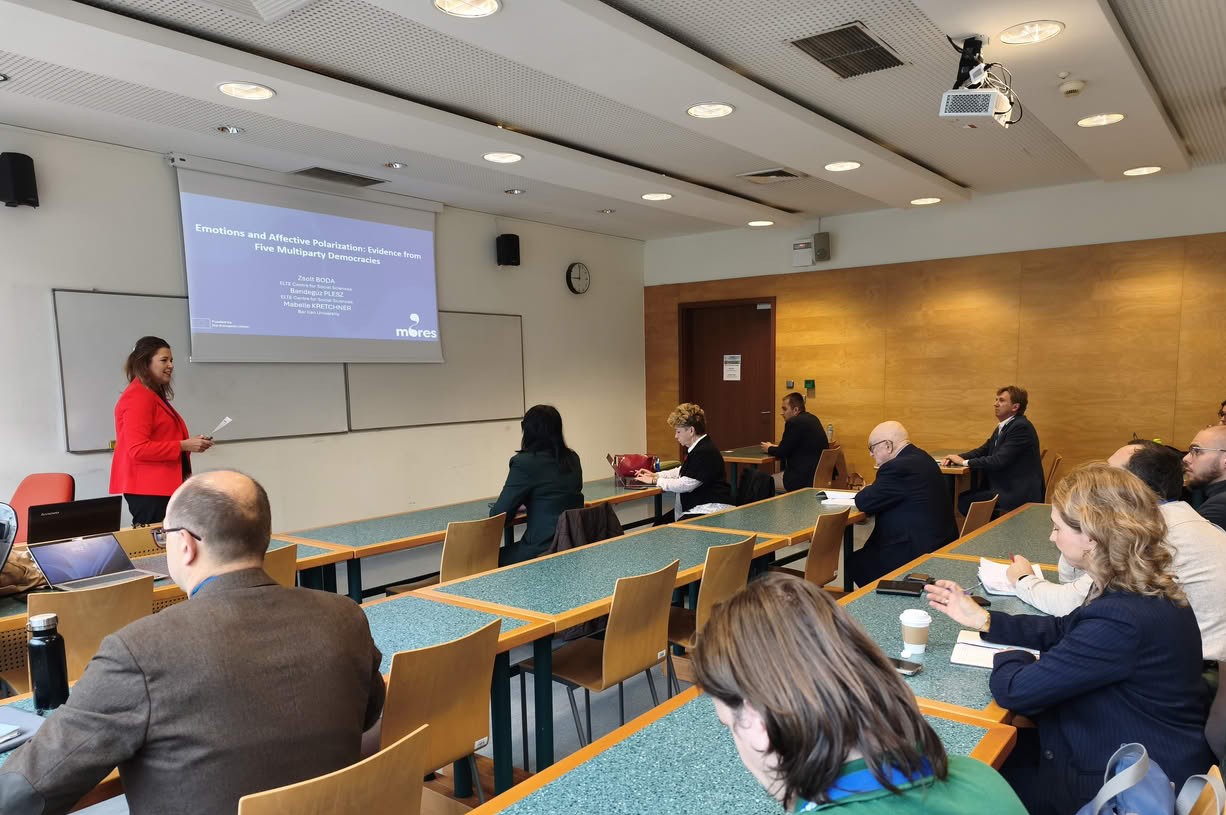
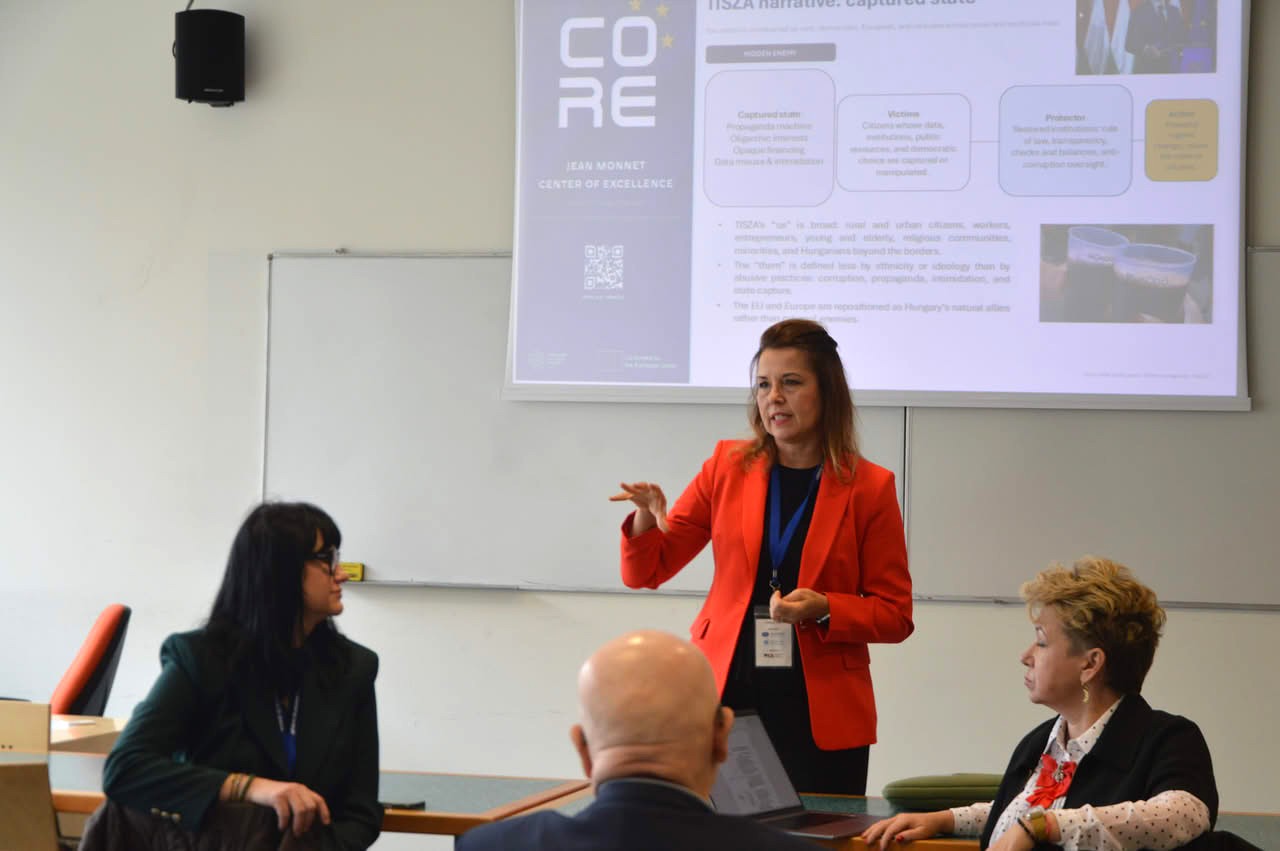
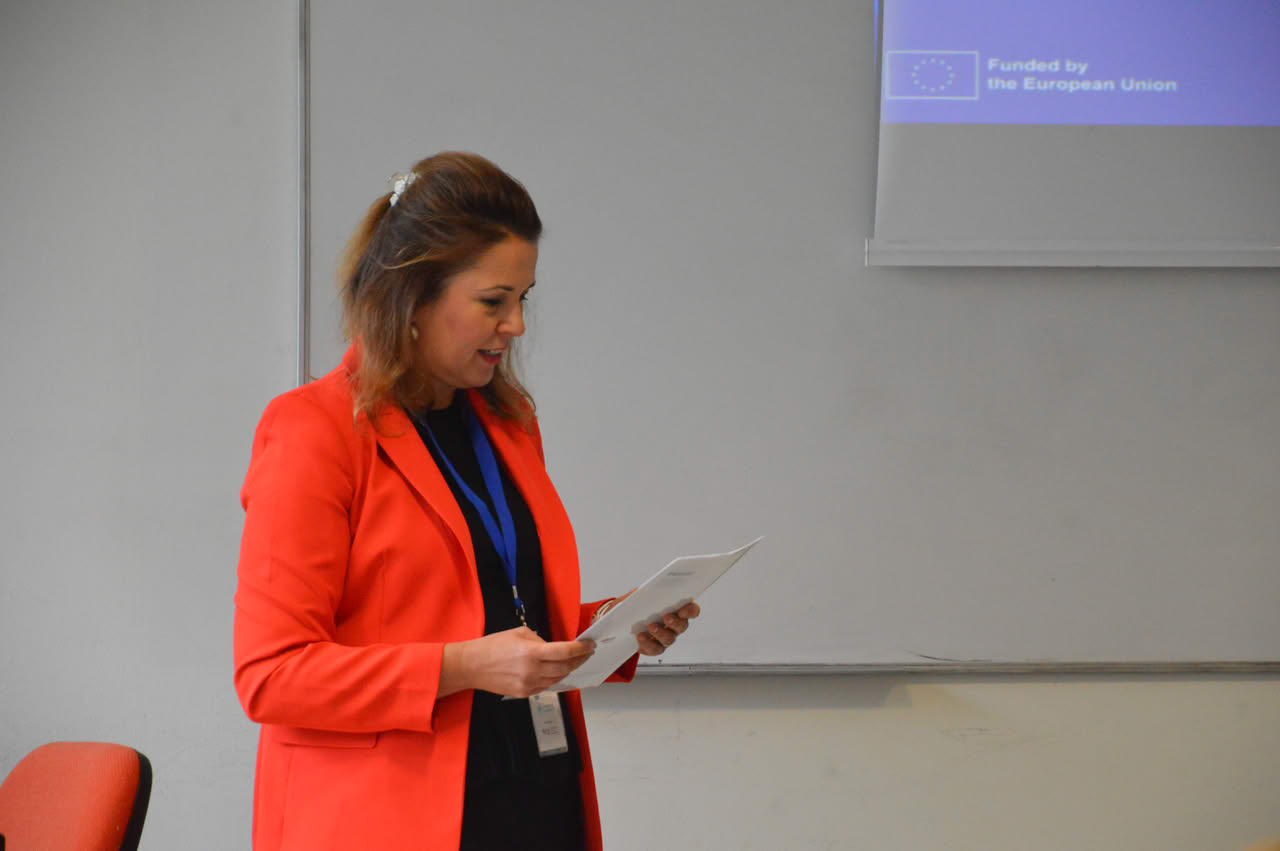
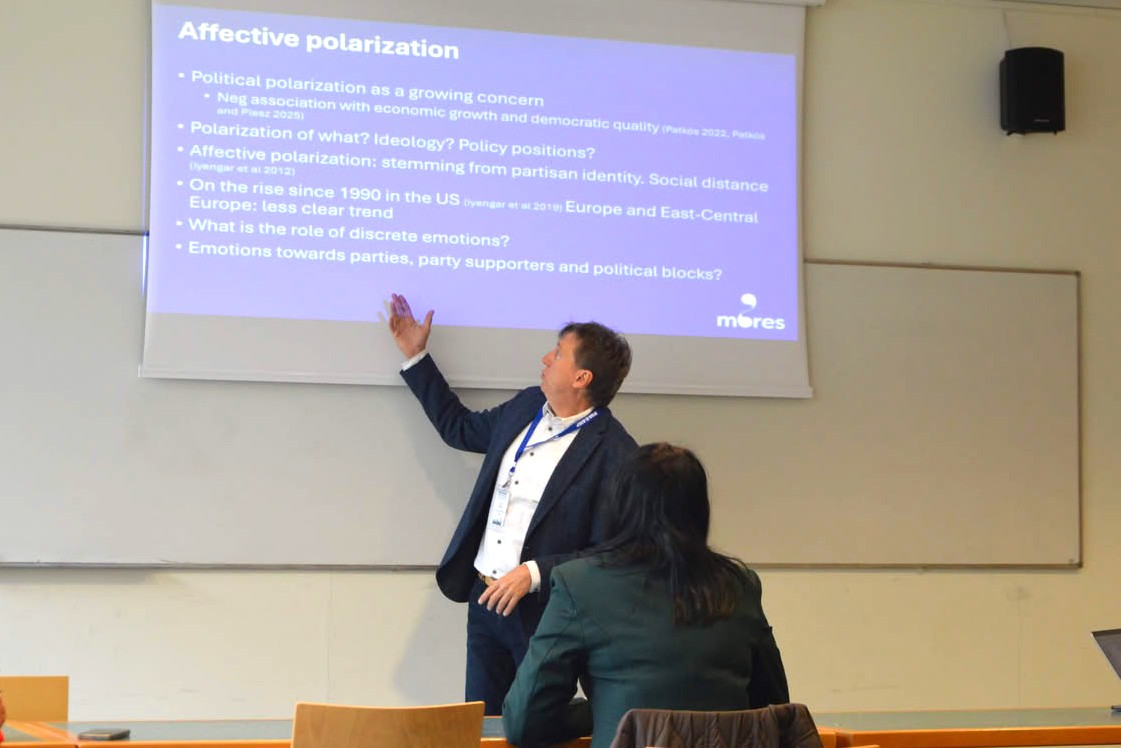
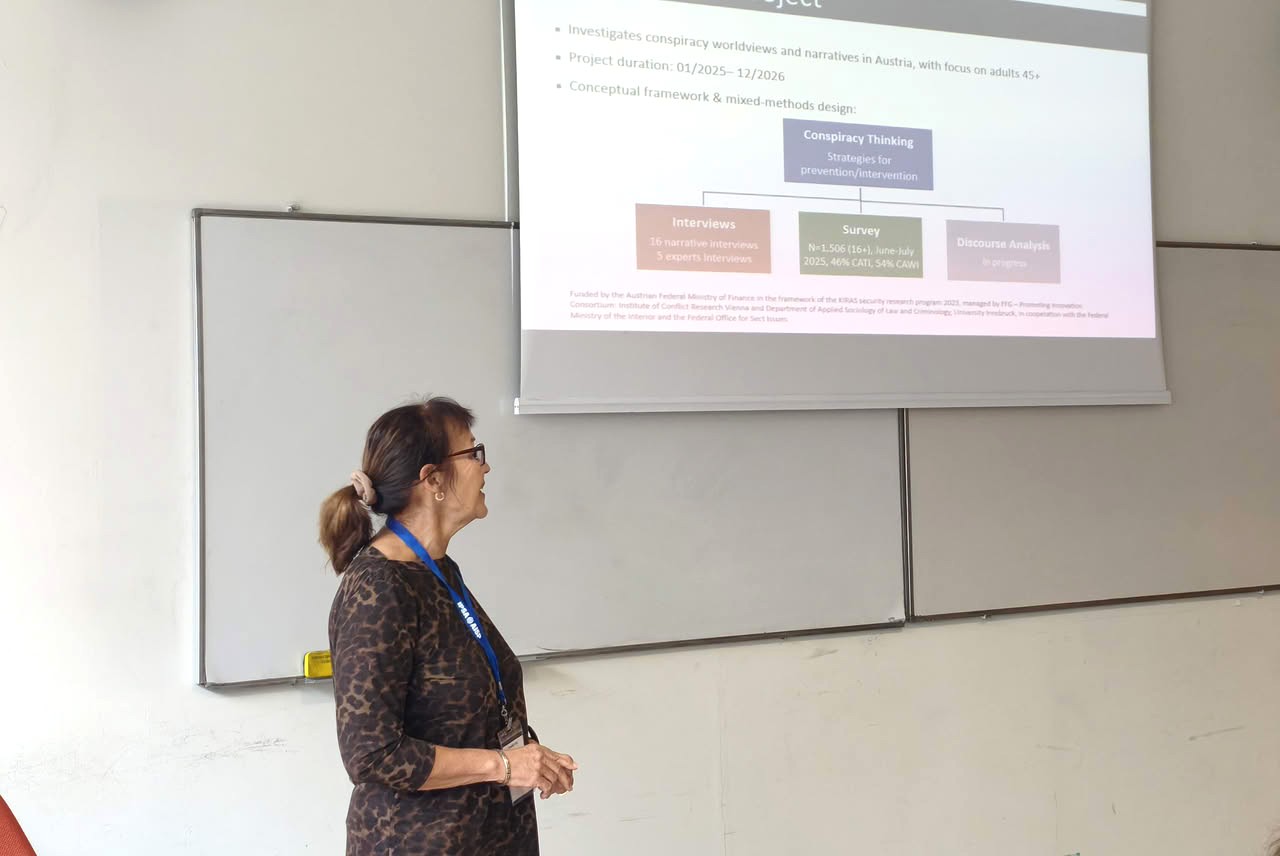
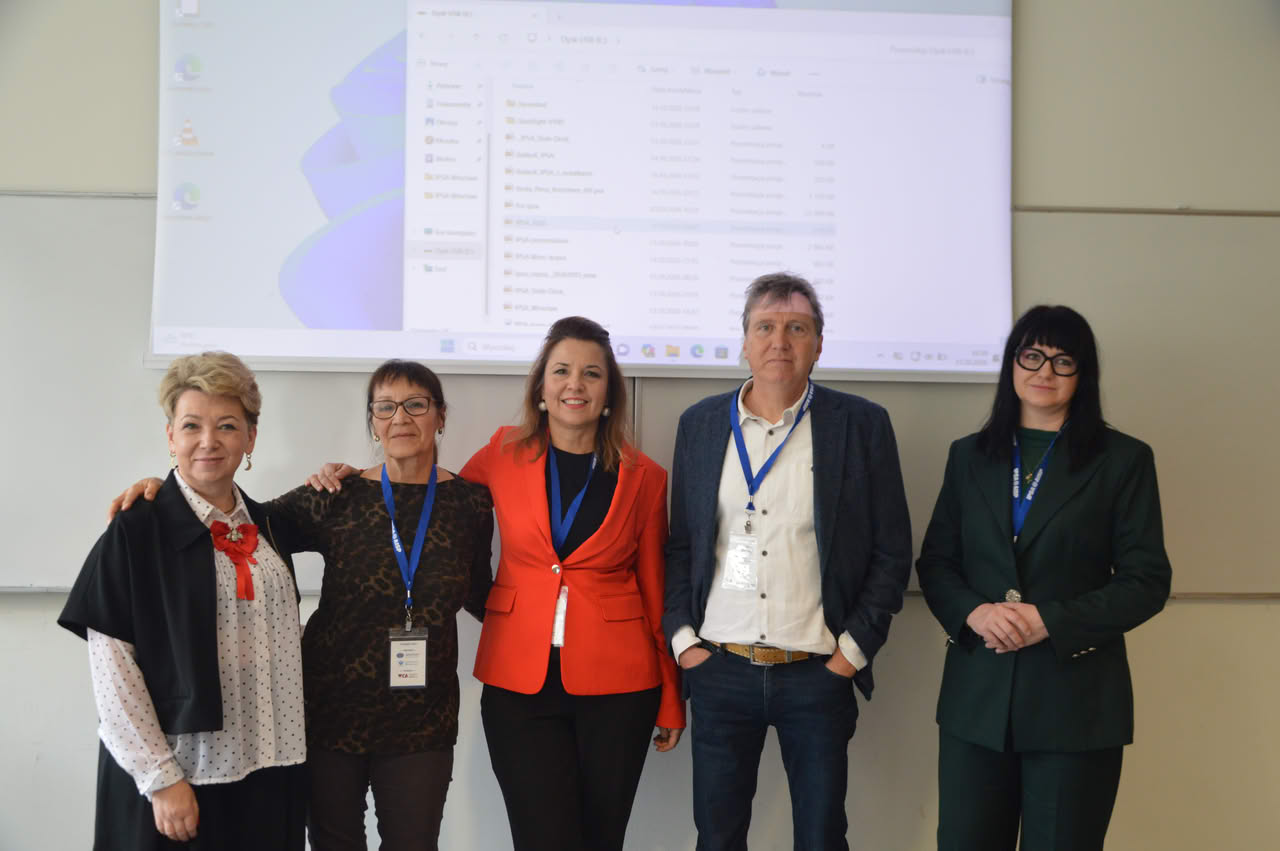
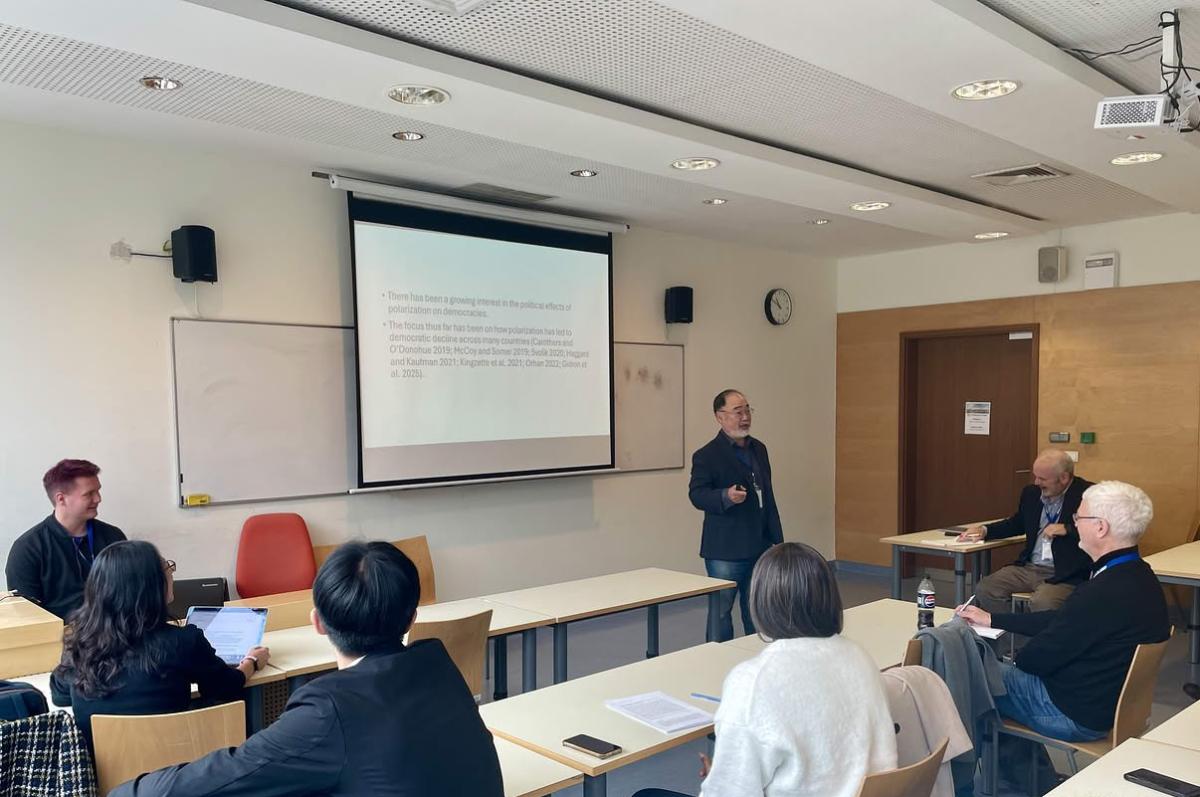
IPSA’s Regional Conference on the theme Resilience of Democracy in a Polarized World: Populism, Autocratization and Global Challenges continued on 15 October 2026 with a second day of engaging academic discussions. The program featured 34 panels and one roundtable, bringing together scholars to explore a wide range of issues related to democracy, polarization, populism, and autocratization.
Chaired by IPSA Past President Pablo Oñate, the Populism, Polarization, Autocratization and Democratic Resilience panel brought together prominent scholars to examine contemporary challenges to democracy. The panel featured several IPSA Executive Committee members, including IPSA President-Elect Hasret Dikici Bilgin as a discussant, while IPSA Vice-President Magdalena Musial-Karg, EC member Berk Esen and IPSA Past President Pablo Oñate presented papers on populism, polarization, democratic erosion, referendums, and migration policy.
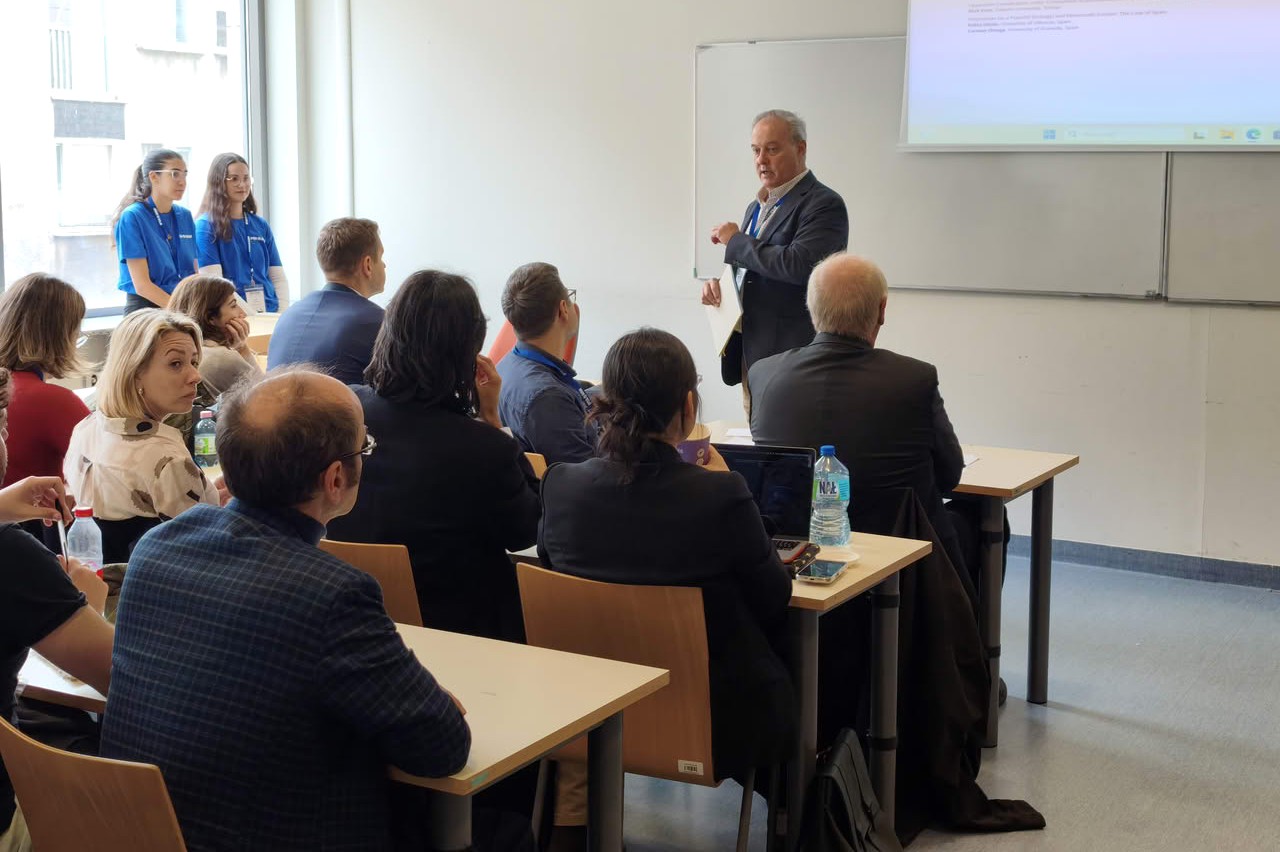
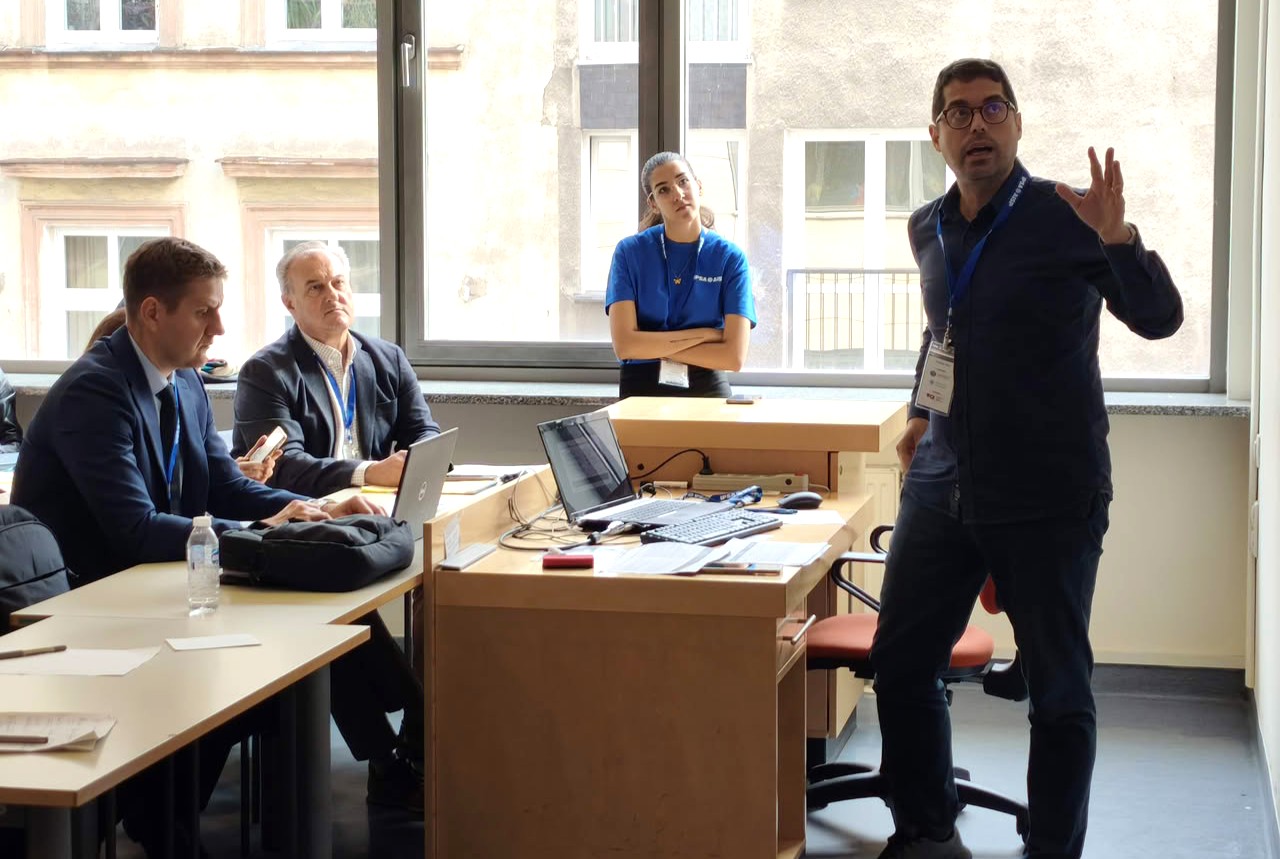
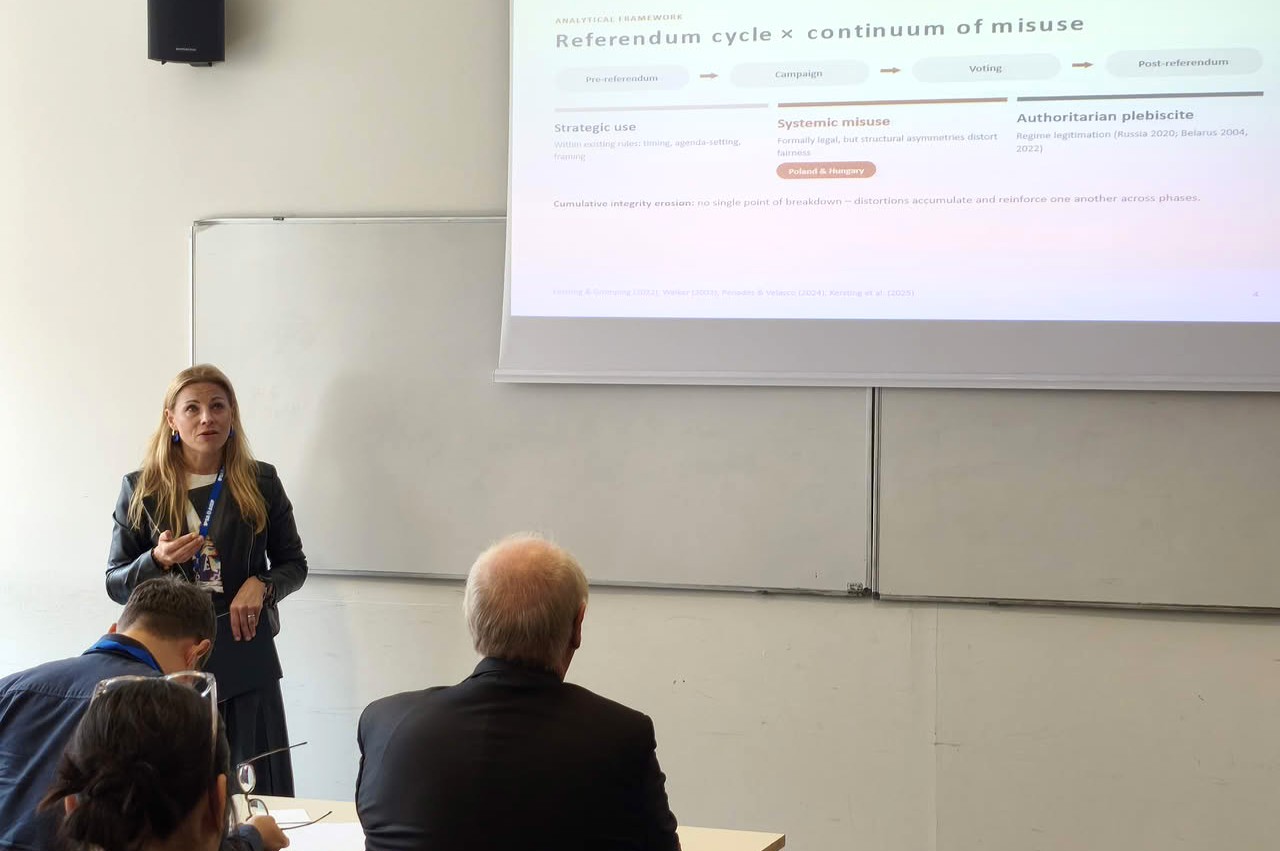
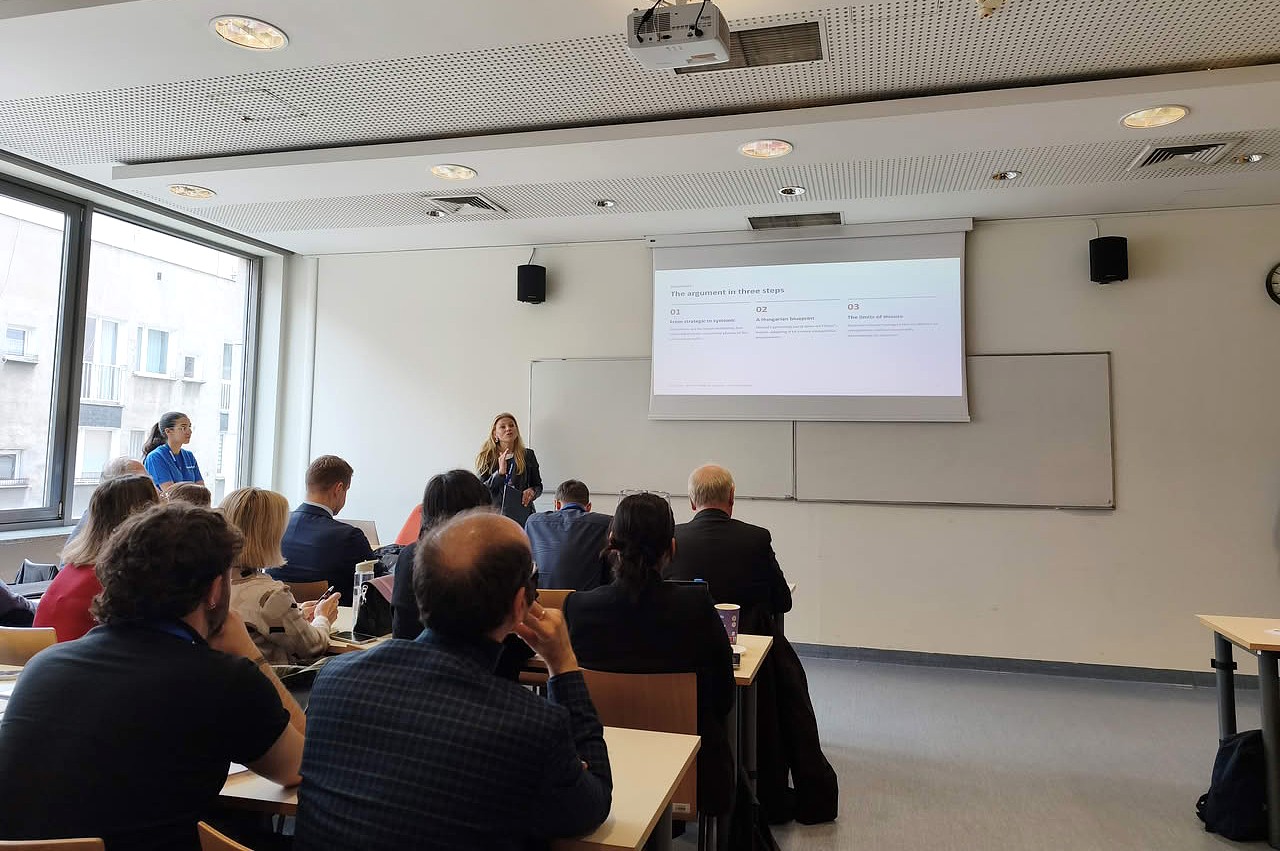
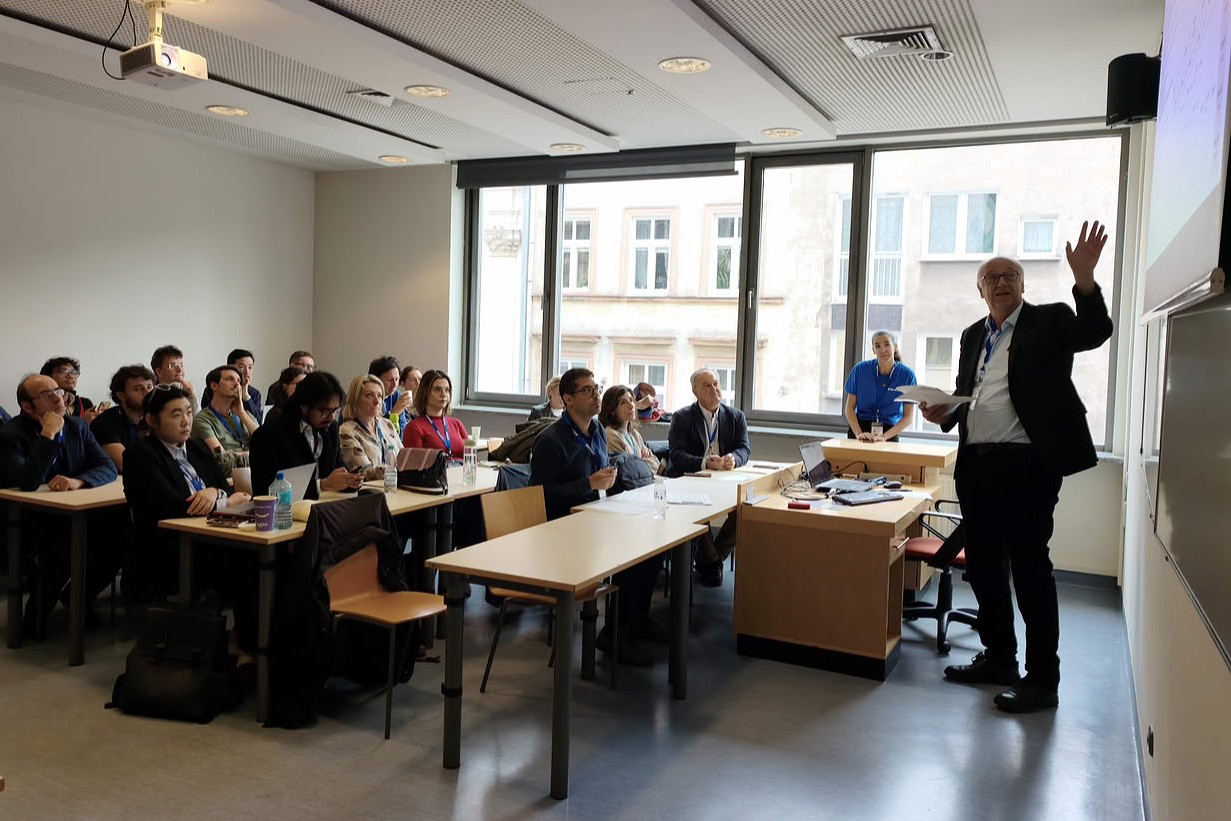

Chaired by John Forren (Miami University), the Political Polarization and Ideological Consolidation panel included IPSA EC members John Ishiyama and Laurence Piper, who presented their research papers.
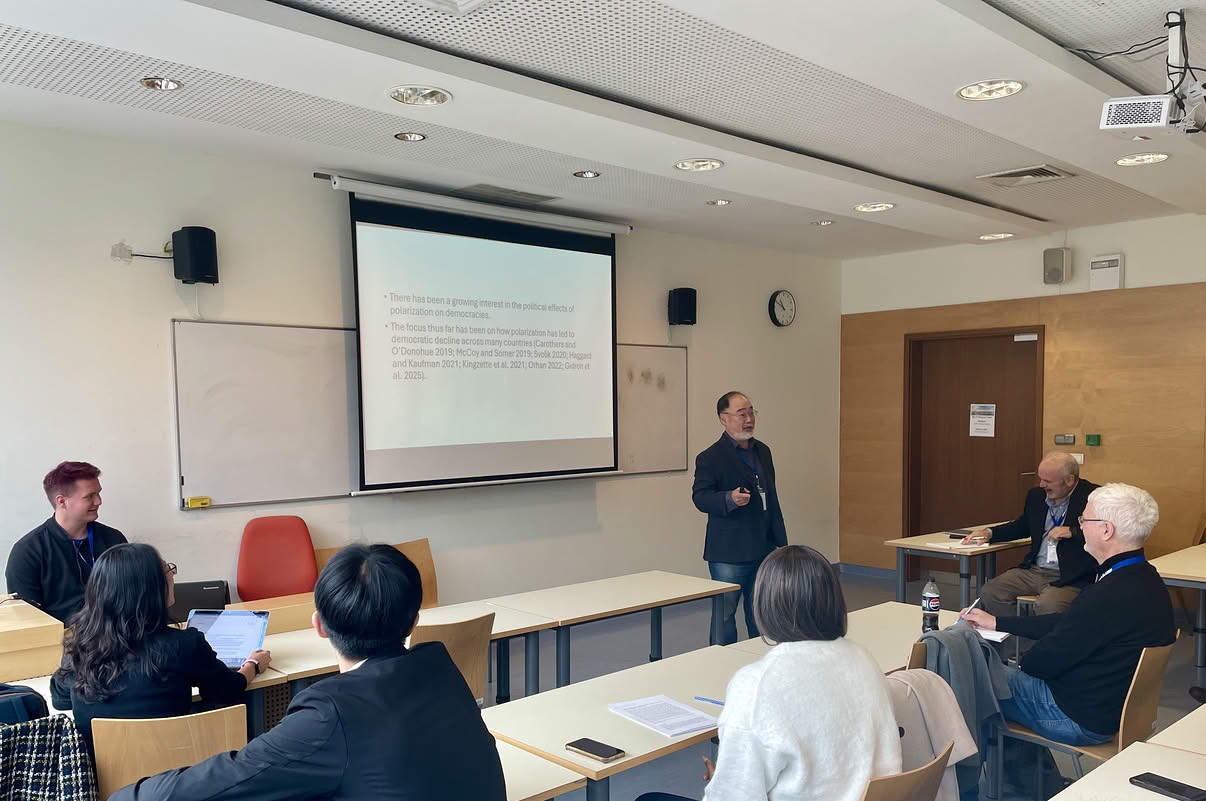
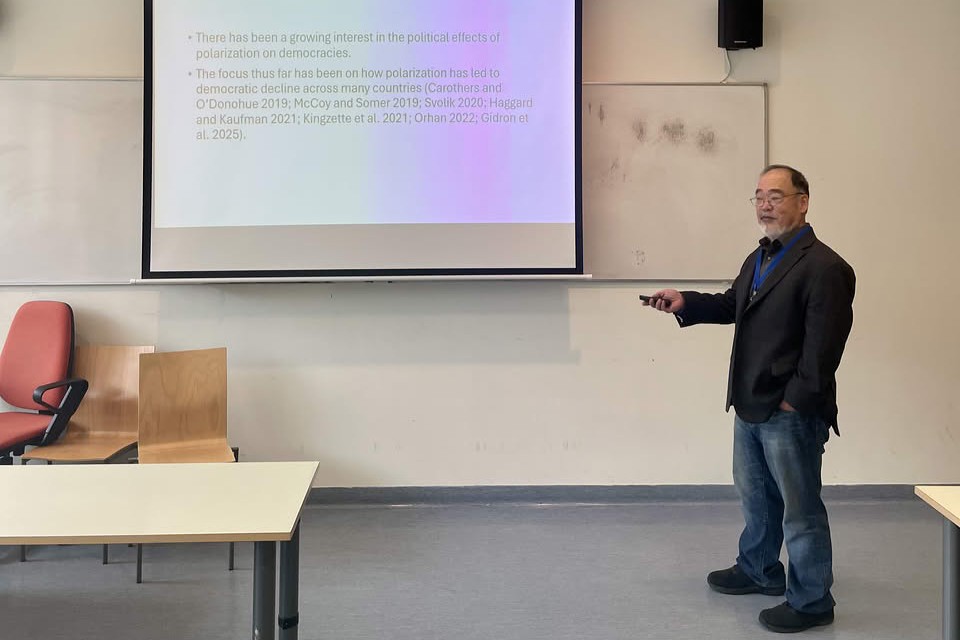
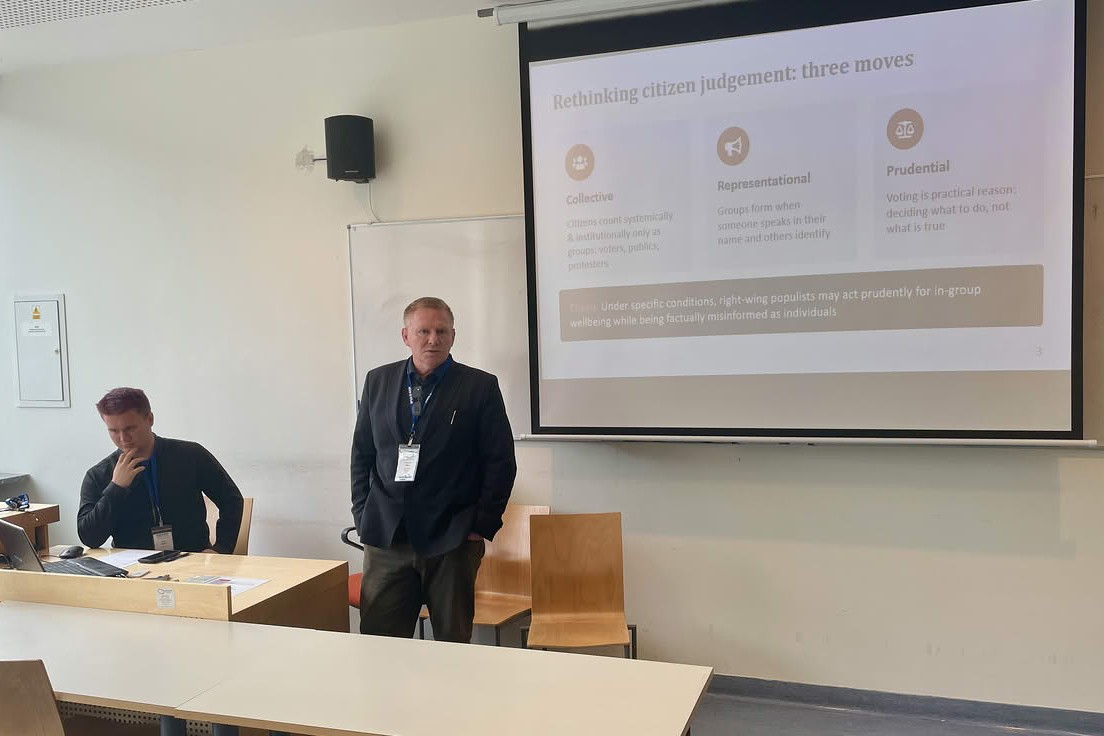
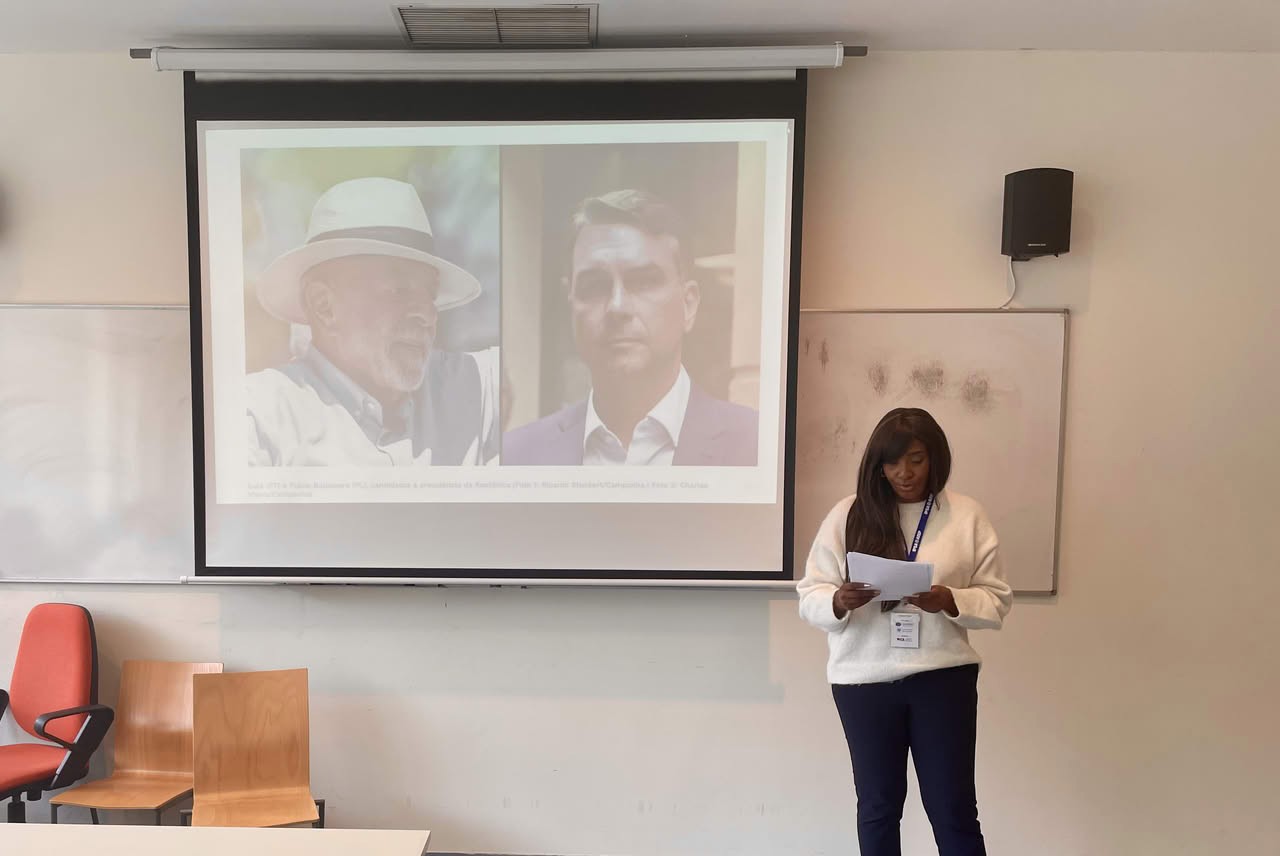
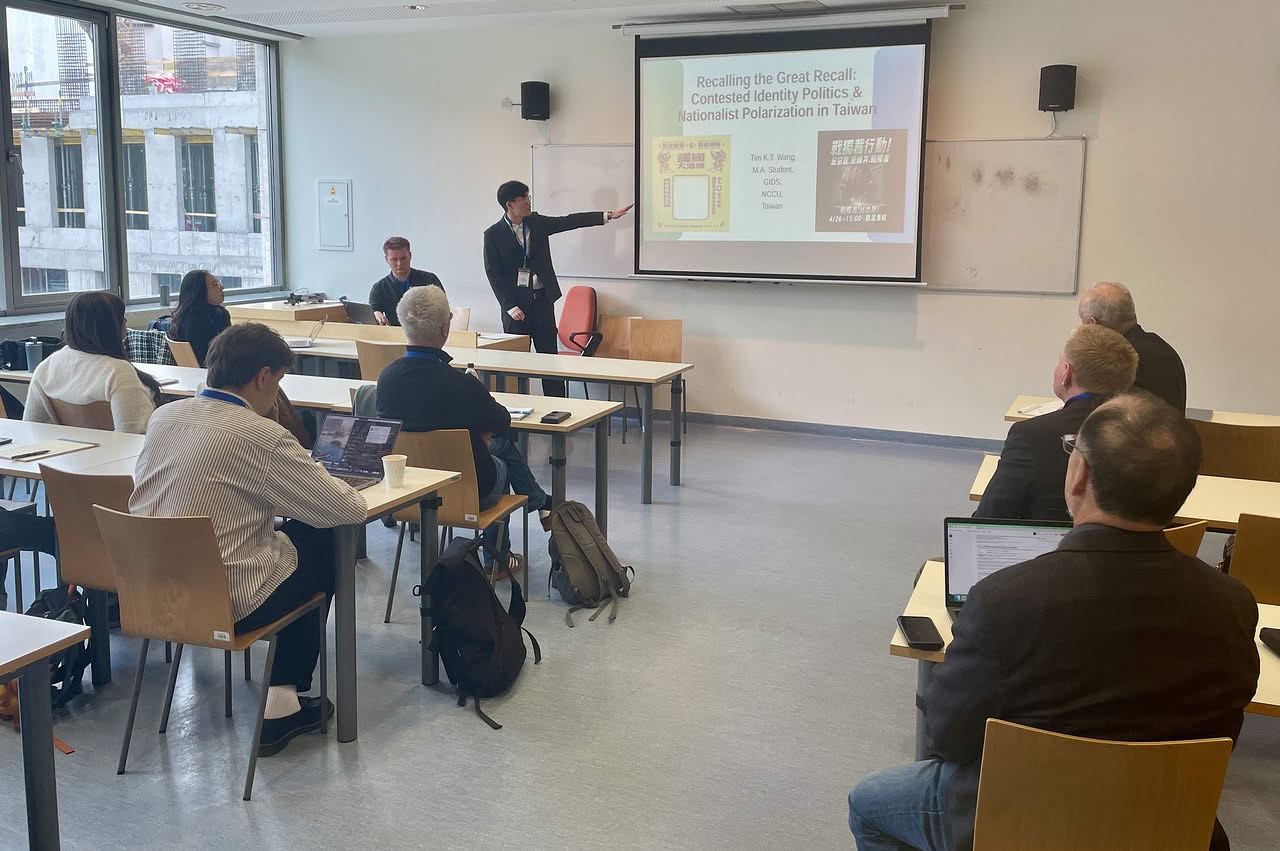
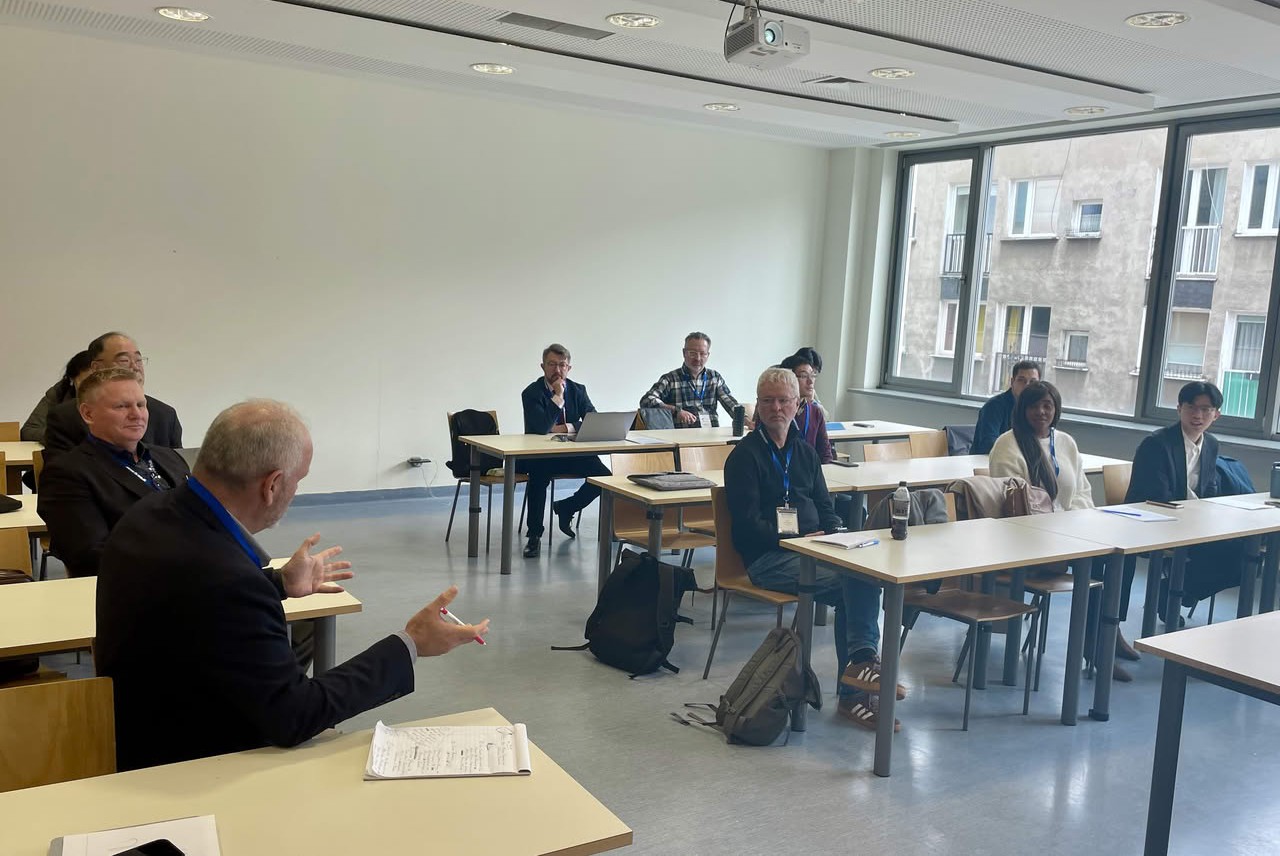
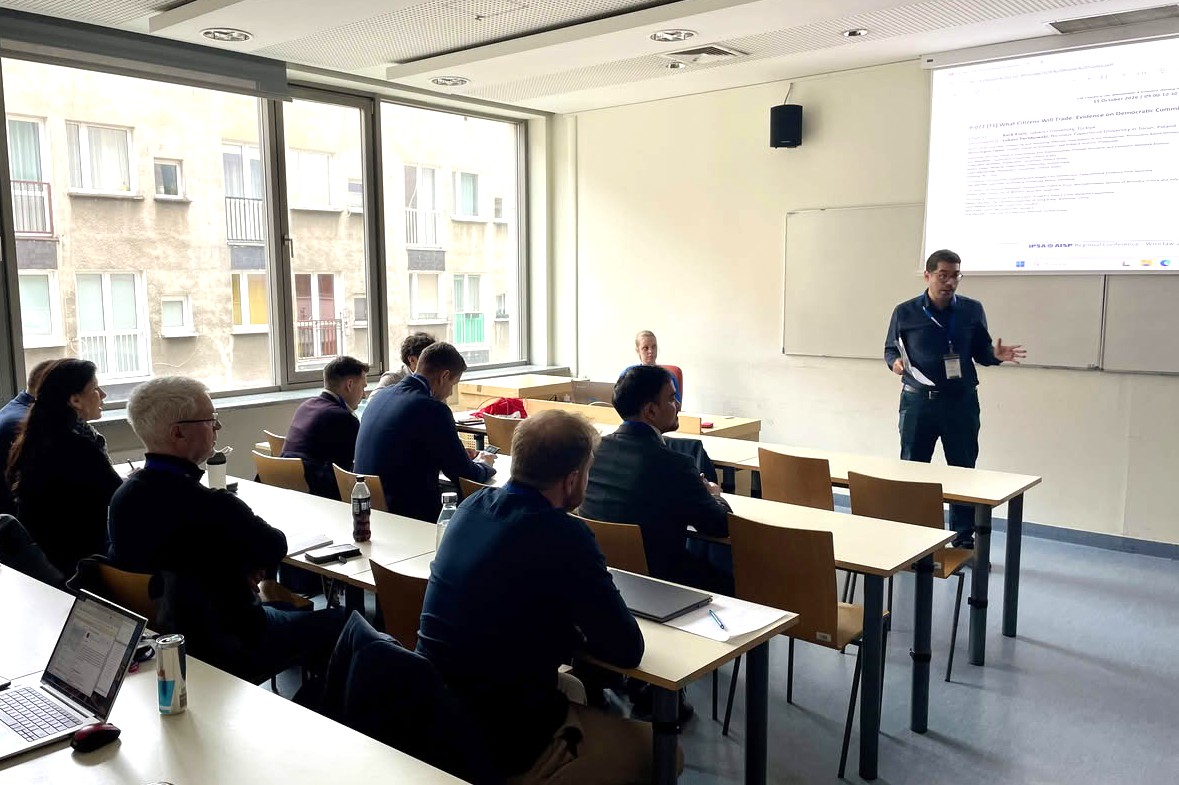
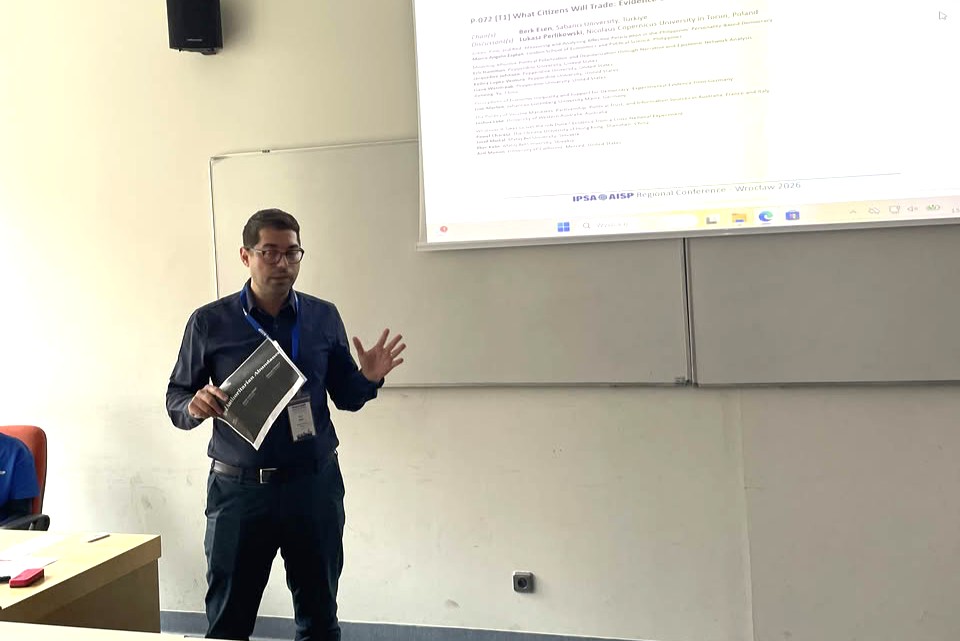
IPSA EC member Berk Esen chaired the What Citizens Will Trade: Evidence on Democratic Commitment panel, which brought together researchers examining the factors shaping citizens’ commitment to democracy.
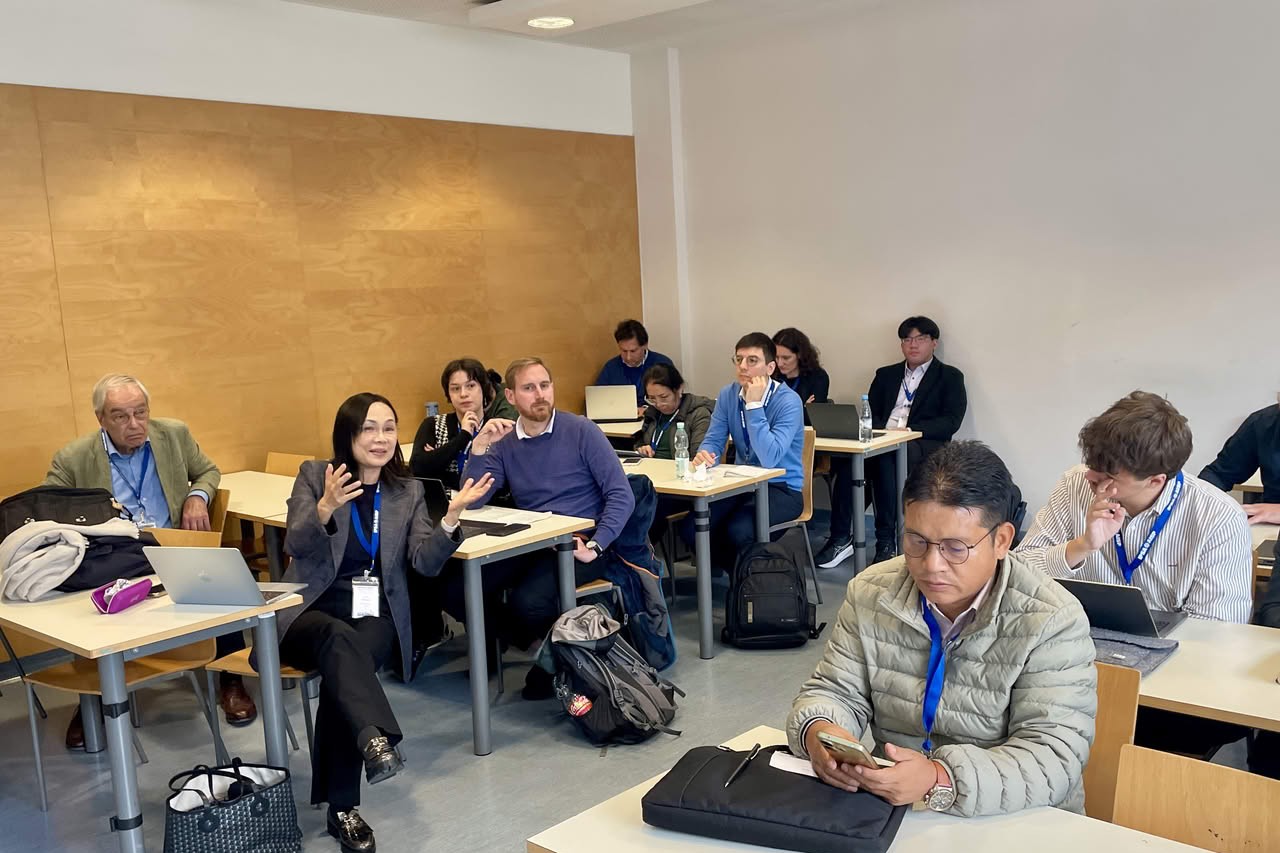
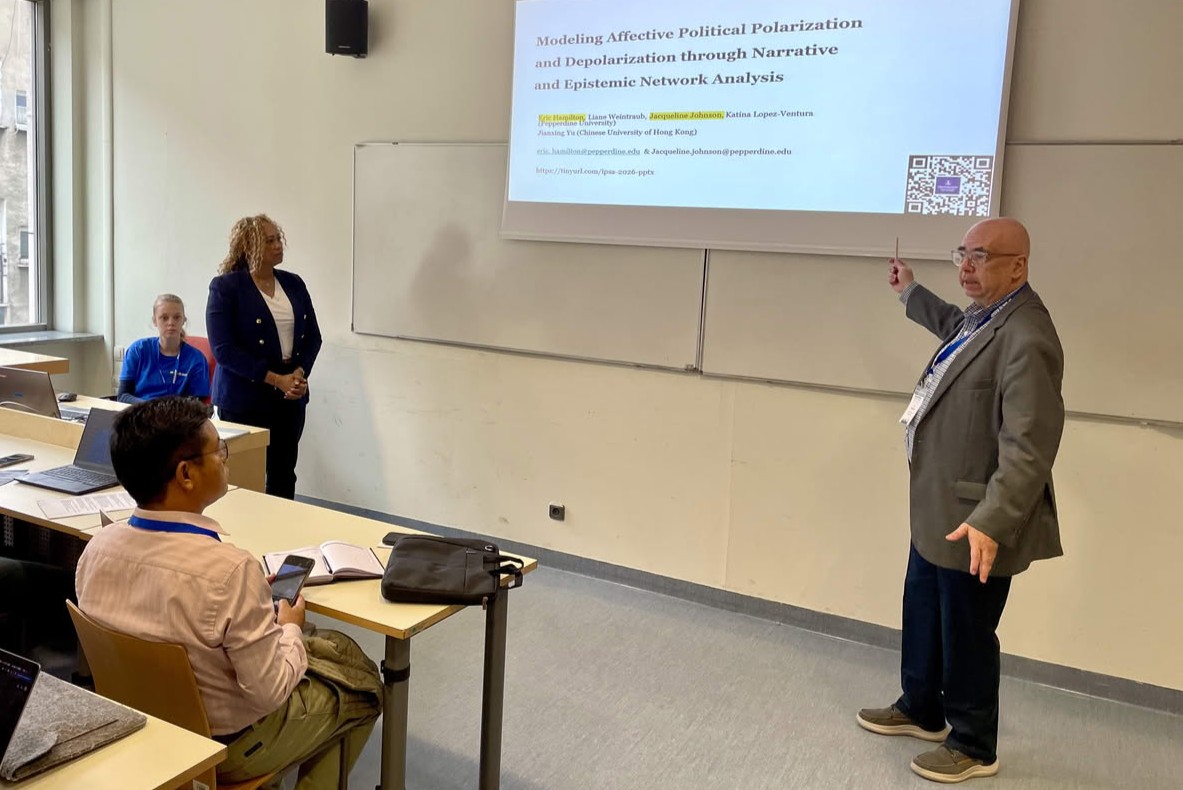
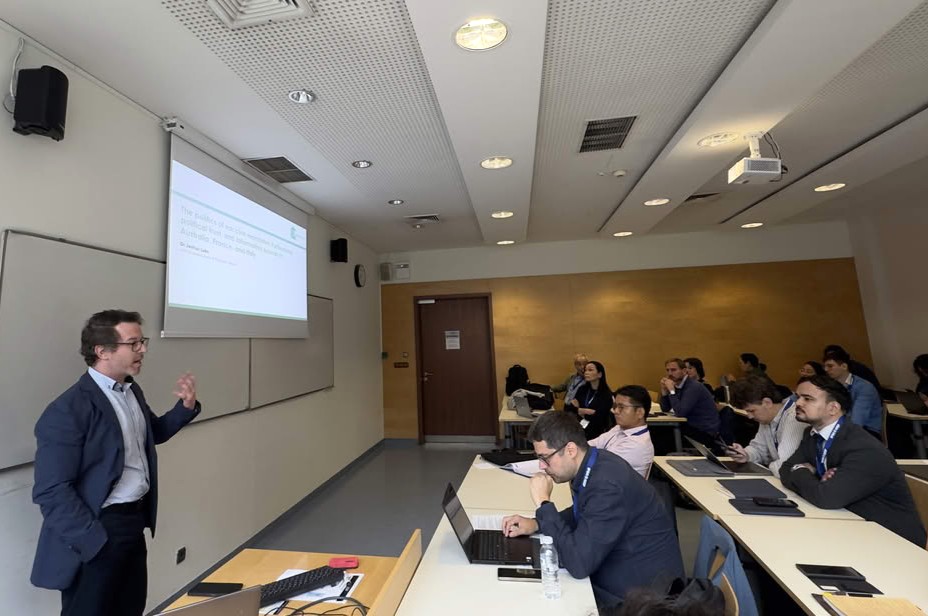
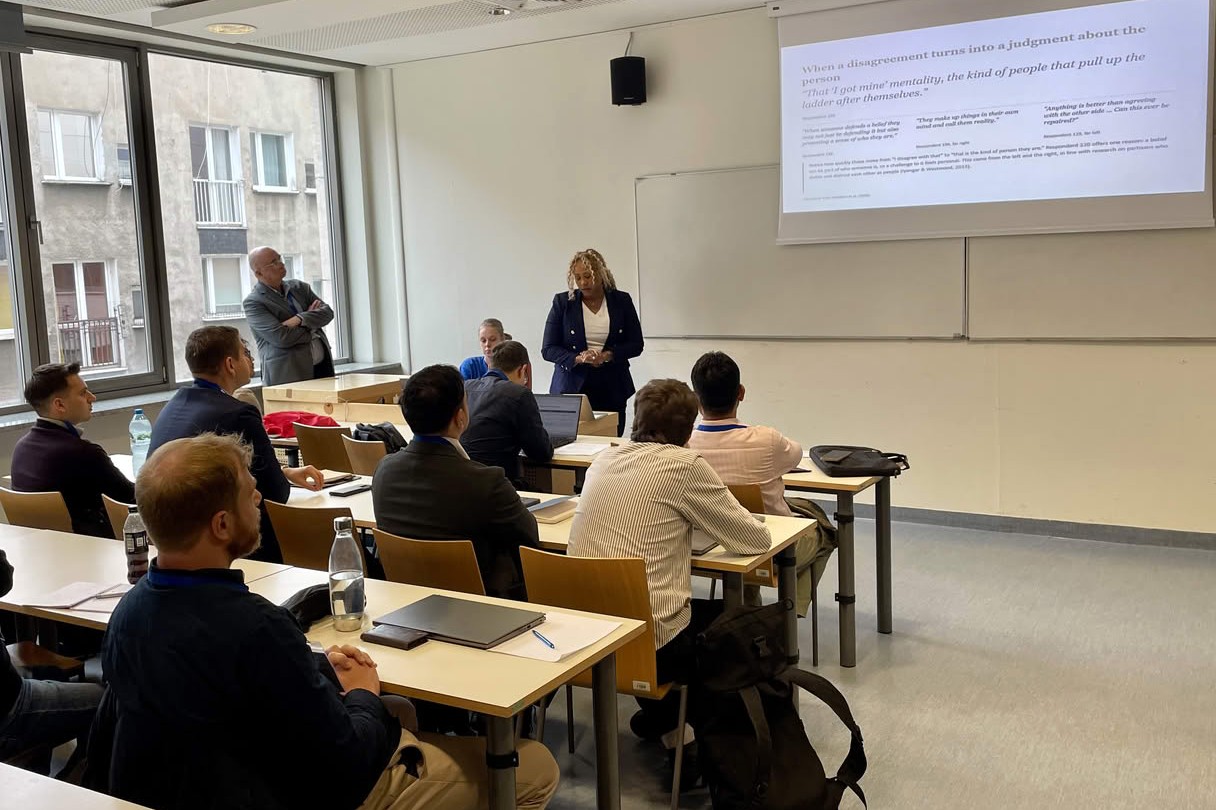
As part of the growing collaboration between IPSA and the Central European Political Science Association (CEPSA), a LOC panel was organized by CEPSA on Democratic Resilience and Processes of Autocratization in Central and Eastern Europe and Beyond. Chaired by CEPSA President Boglárka Koller, the panel featured CEPSA Vice-President Agnieszka Kasińska-Metryka as a discussant, alongside contributions from scholars examining democratic innovations, political mobilization, and democratic responses to autocratization.