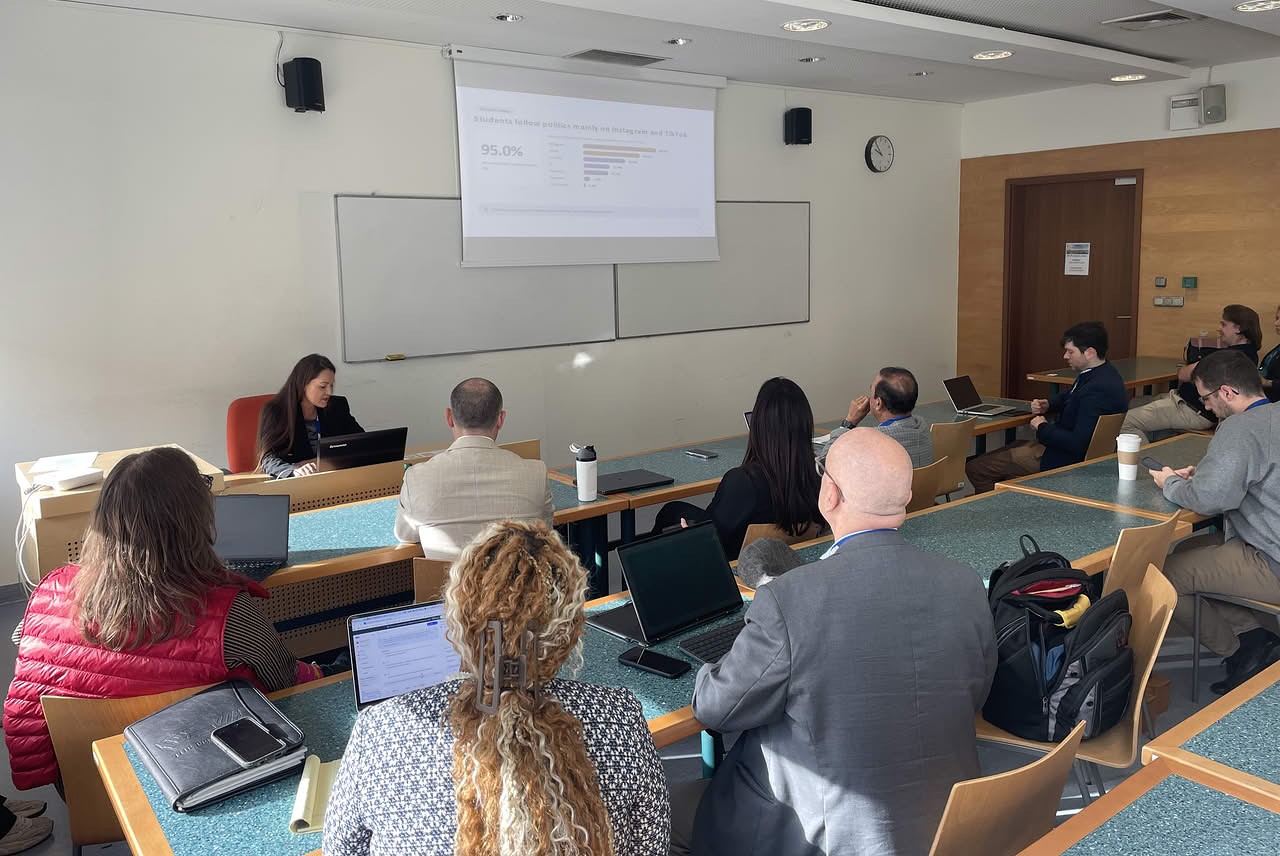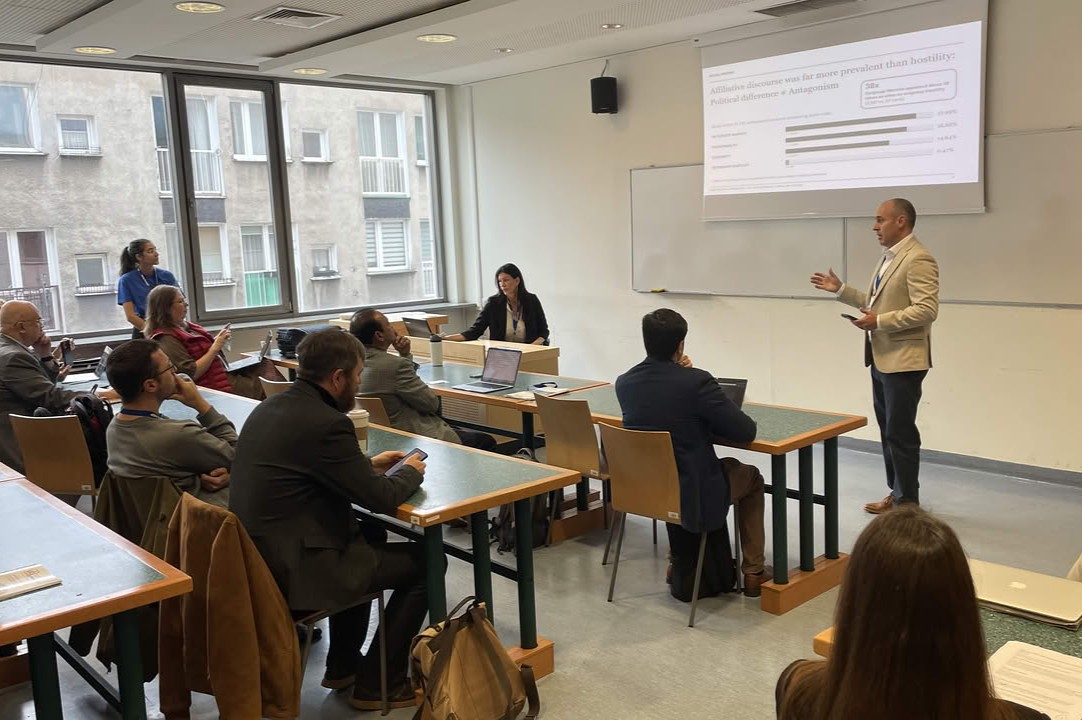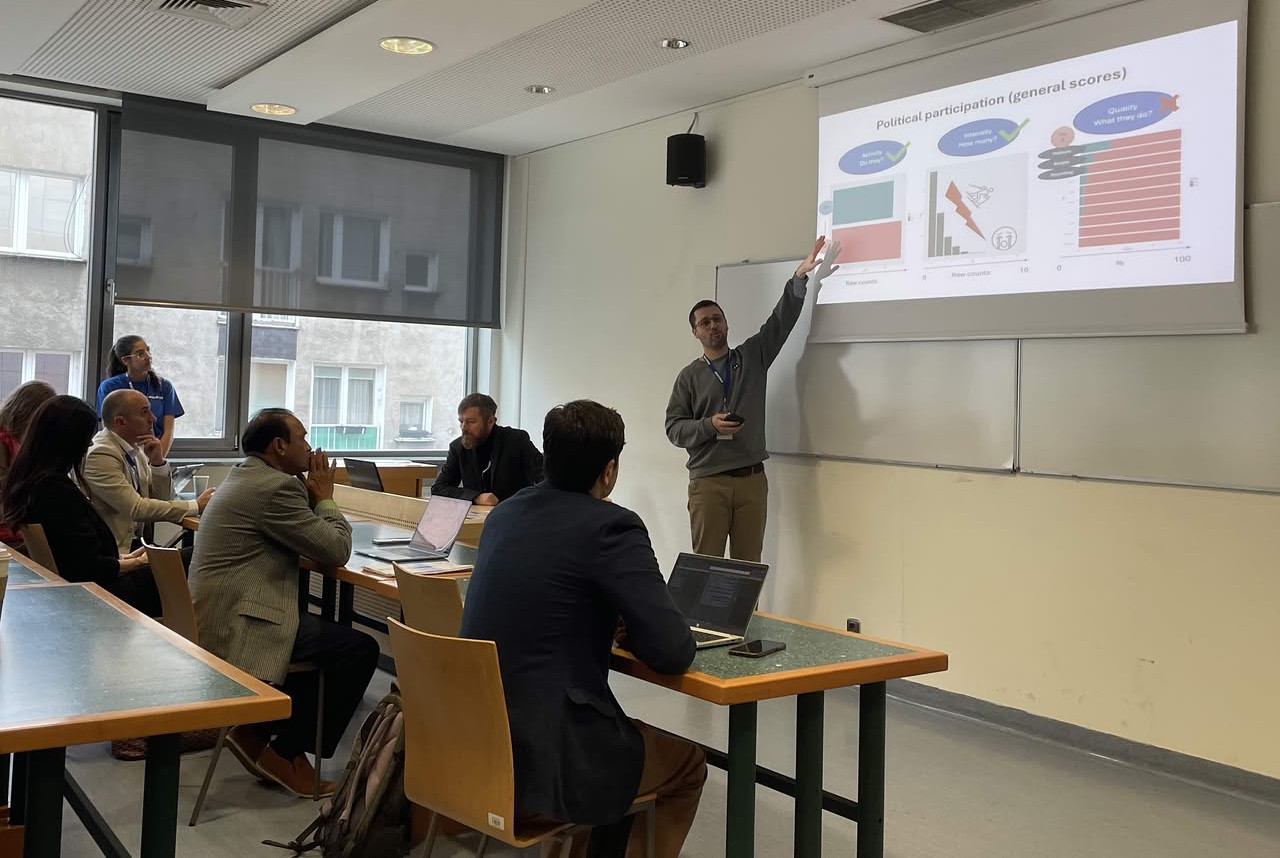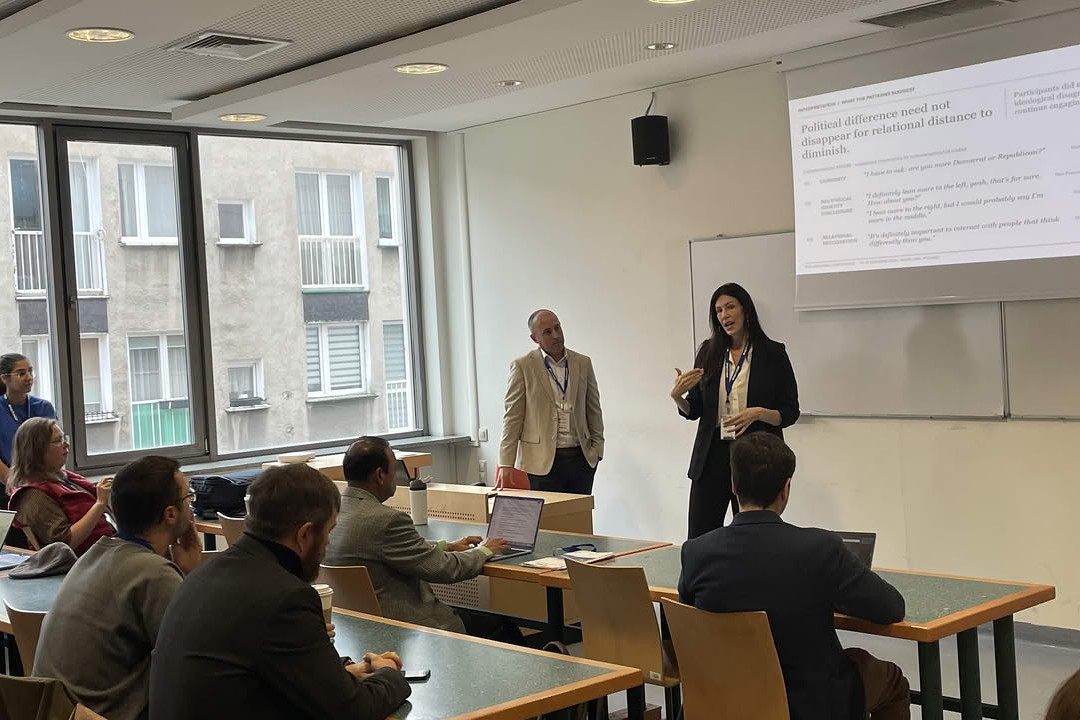
Photo Recap: IPSA’s Regional Conference on the theme Resilience of Democracy in a Polarized World (Wednesday, 14 October 2026)
Publication date: Wed, 14 Oct 2026
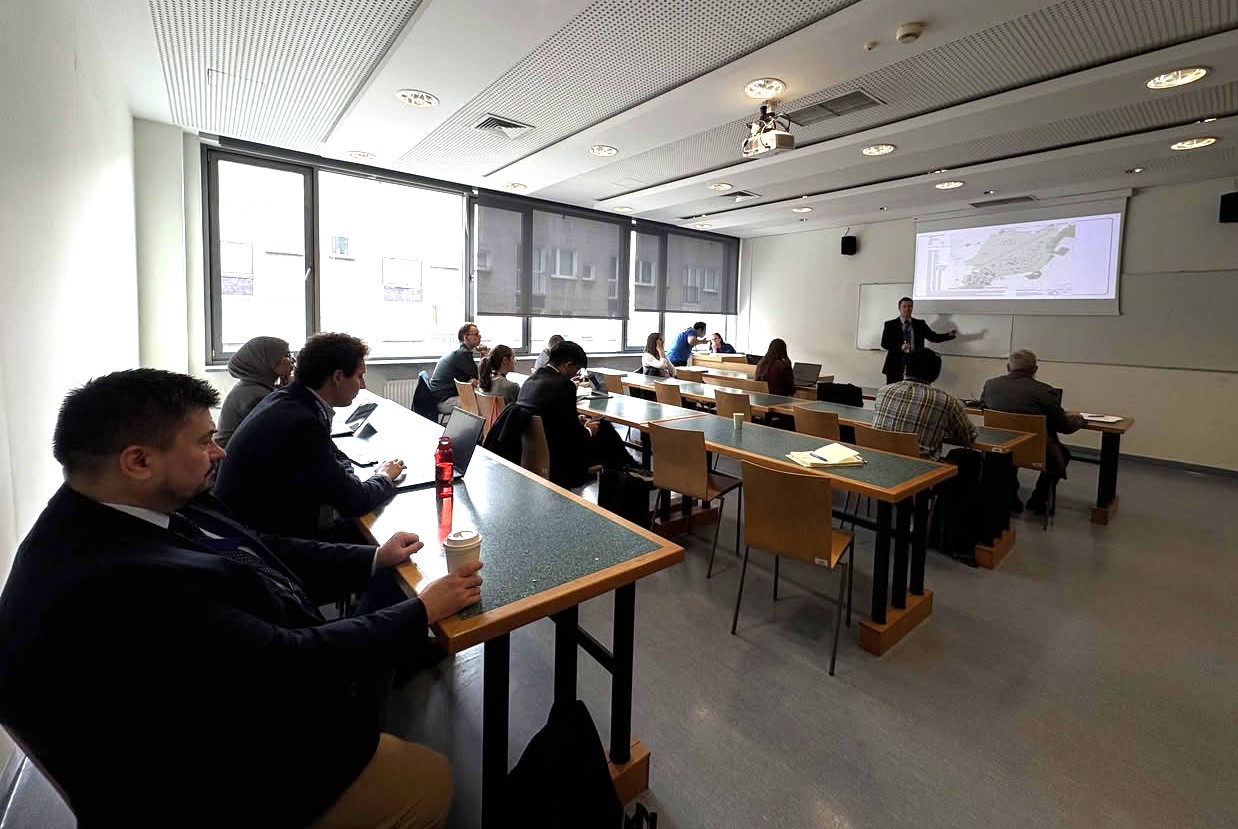
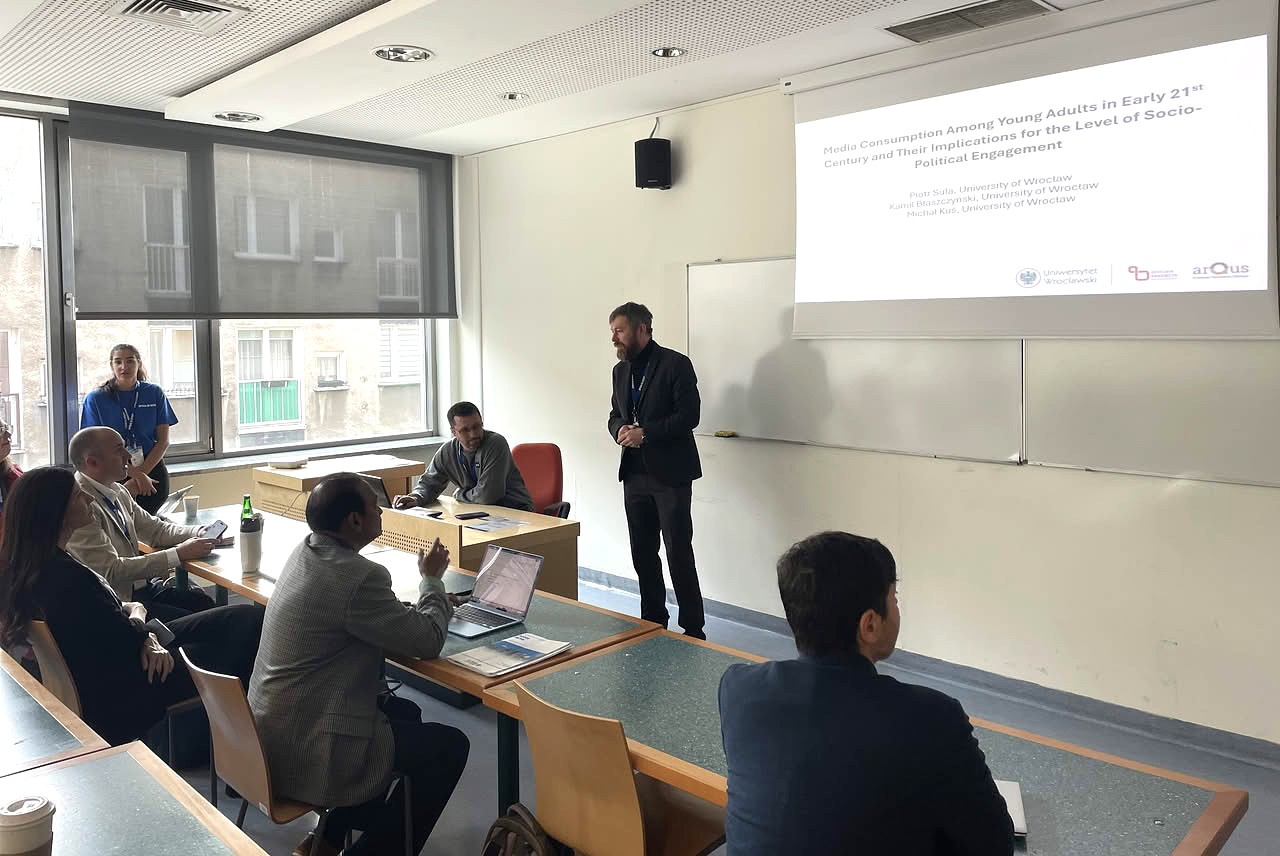
IPSA’s Regional Conference on the theme Resilience of Democracy in a Polarized World: Populism, Autocratization and Global Challenges kicked off on 14 October 2026 in collaboration with the Polish Political Science Association, the Faculty of Social Sciences at the University of Wrocław, and with the support of the Municipality of Wrocław. De Gruyter Brill, Verlag Barbara Budrich, and the No to Apathy Project also participated in the conference as exhibitors. We extend our heartfelt appreciation to our conference partners, sponsor and exhibitors for their invaluable contributions to this regional academic event. On the first day of the conference, 22 panels and two roundtables were held.
Opening Remarks
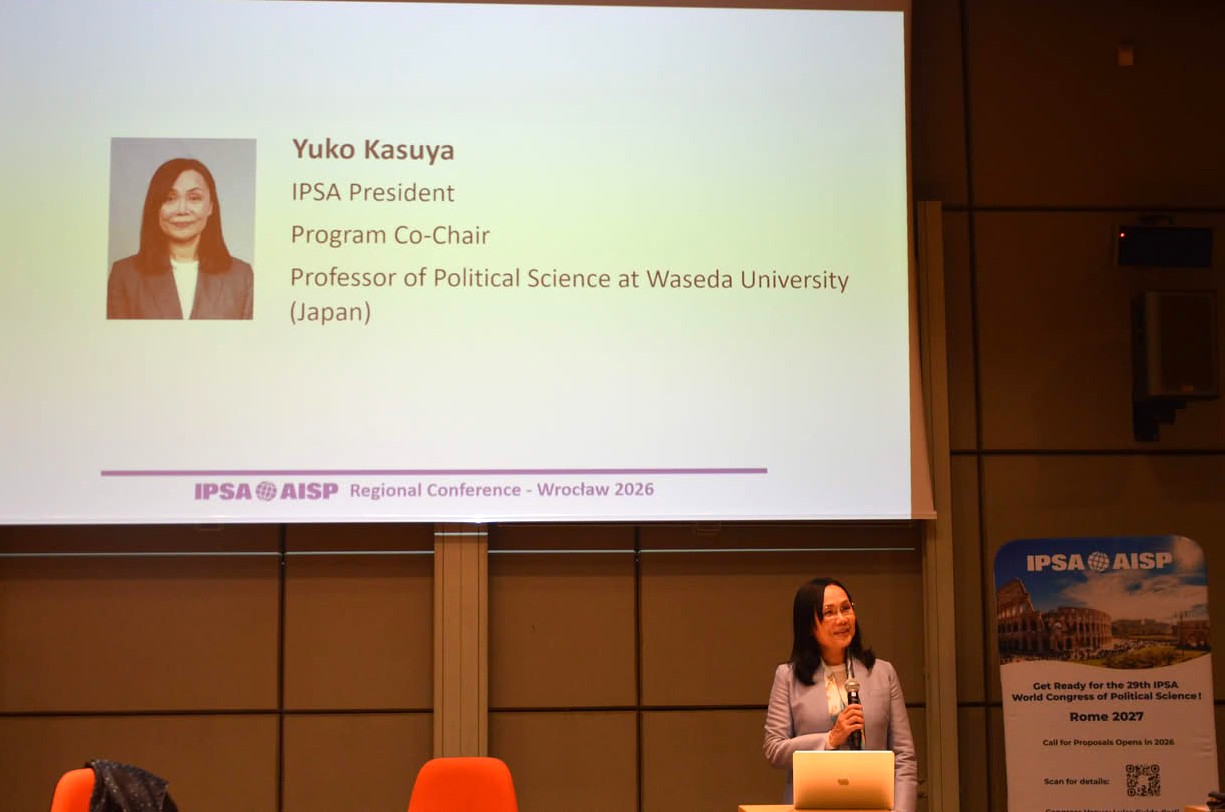
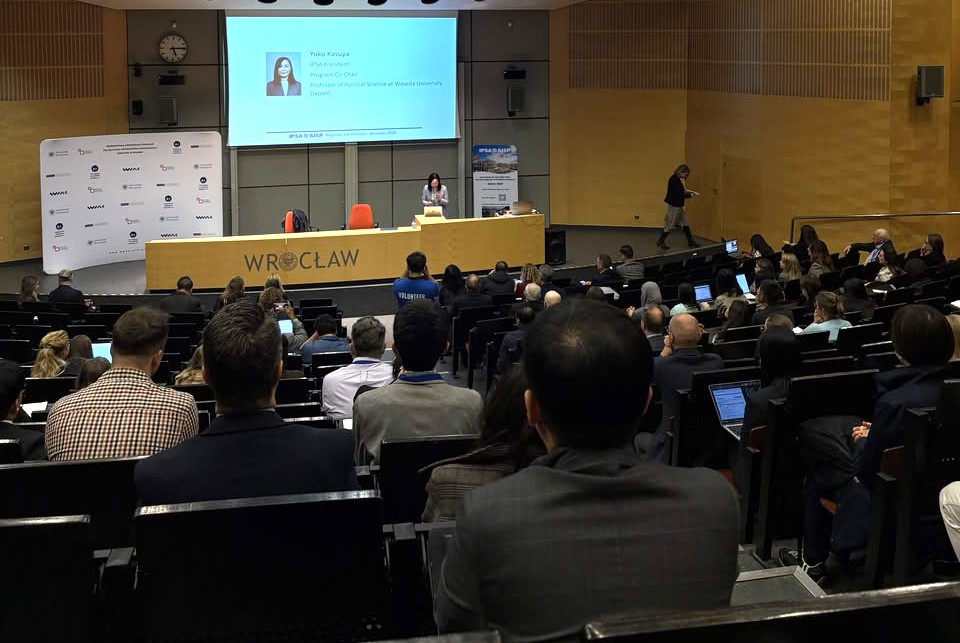
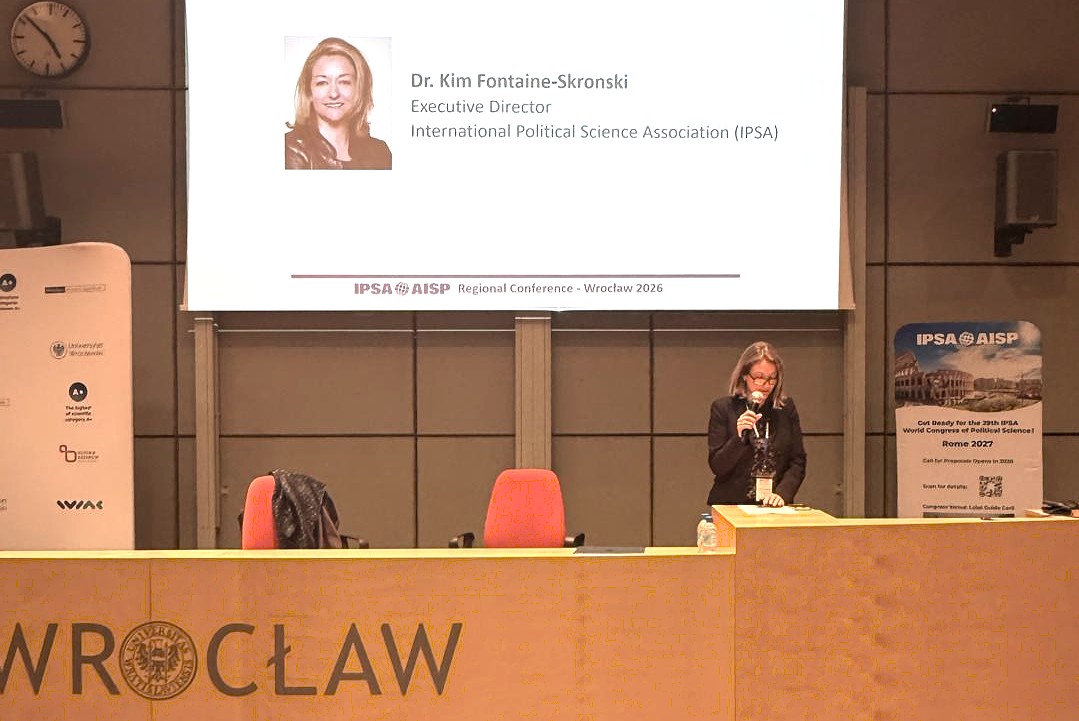
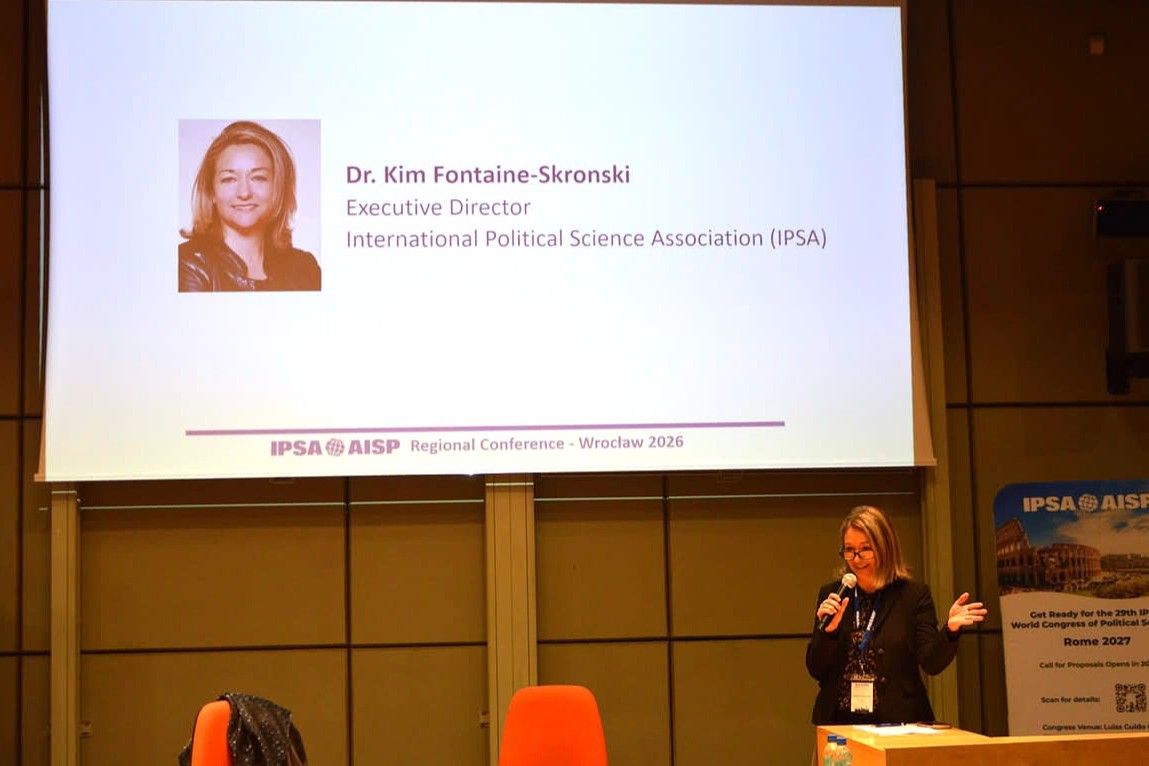
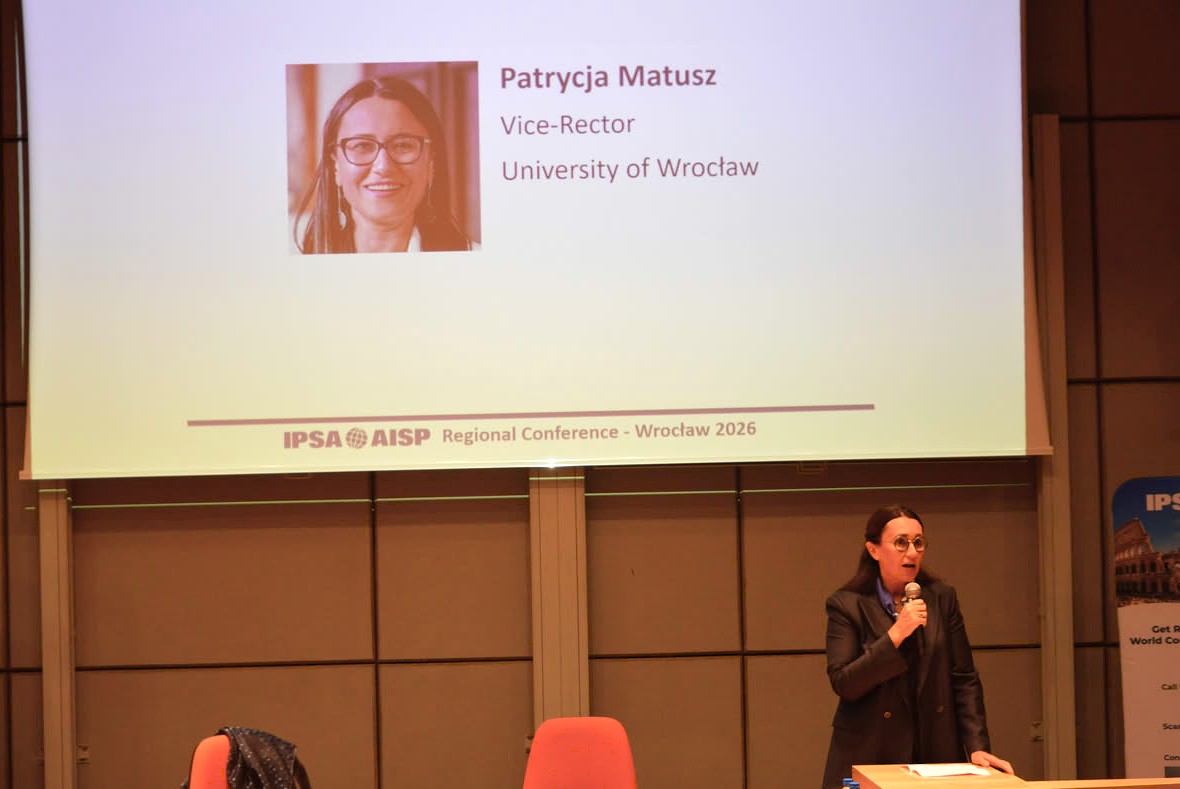
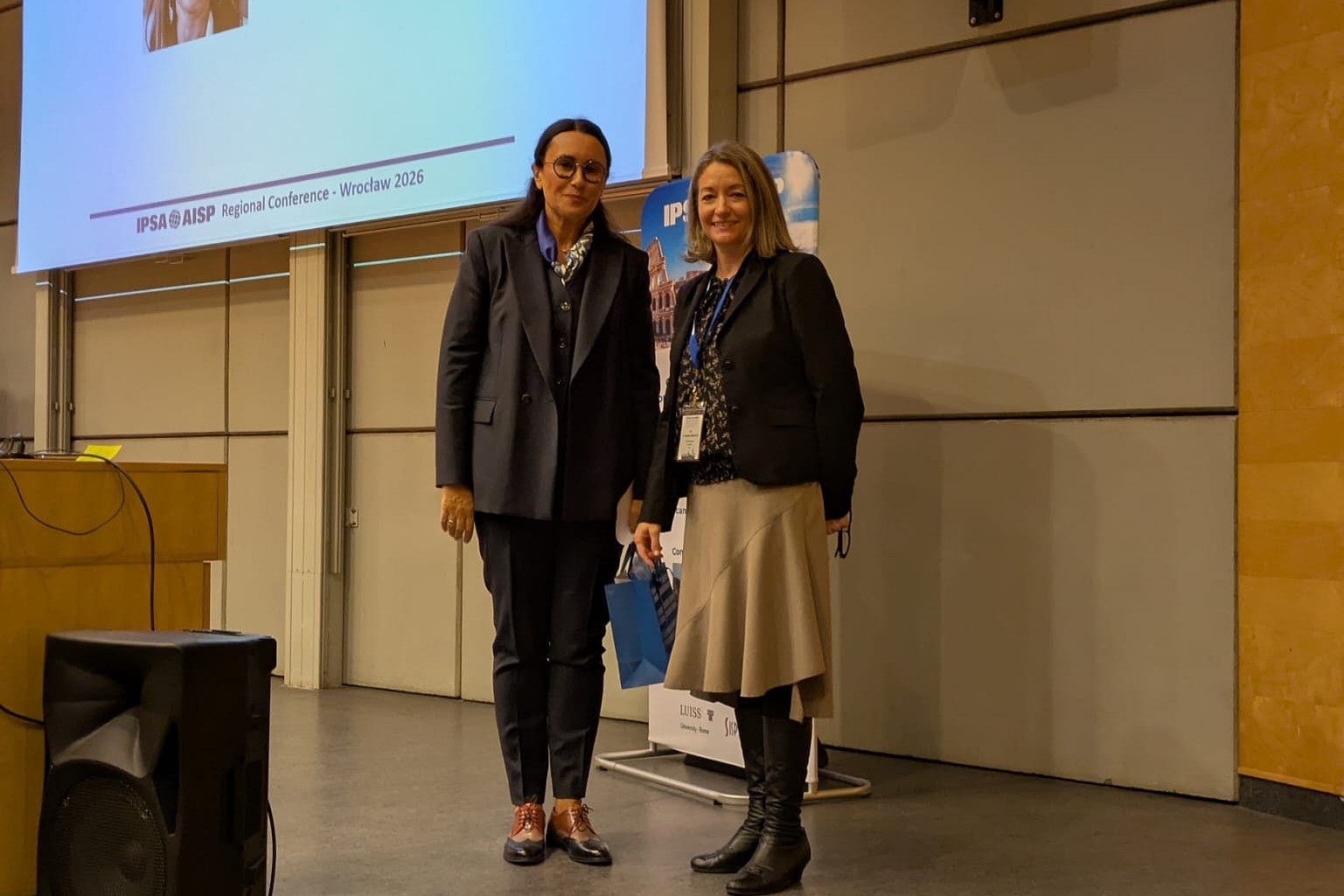
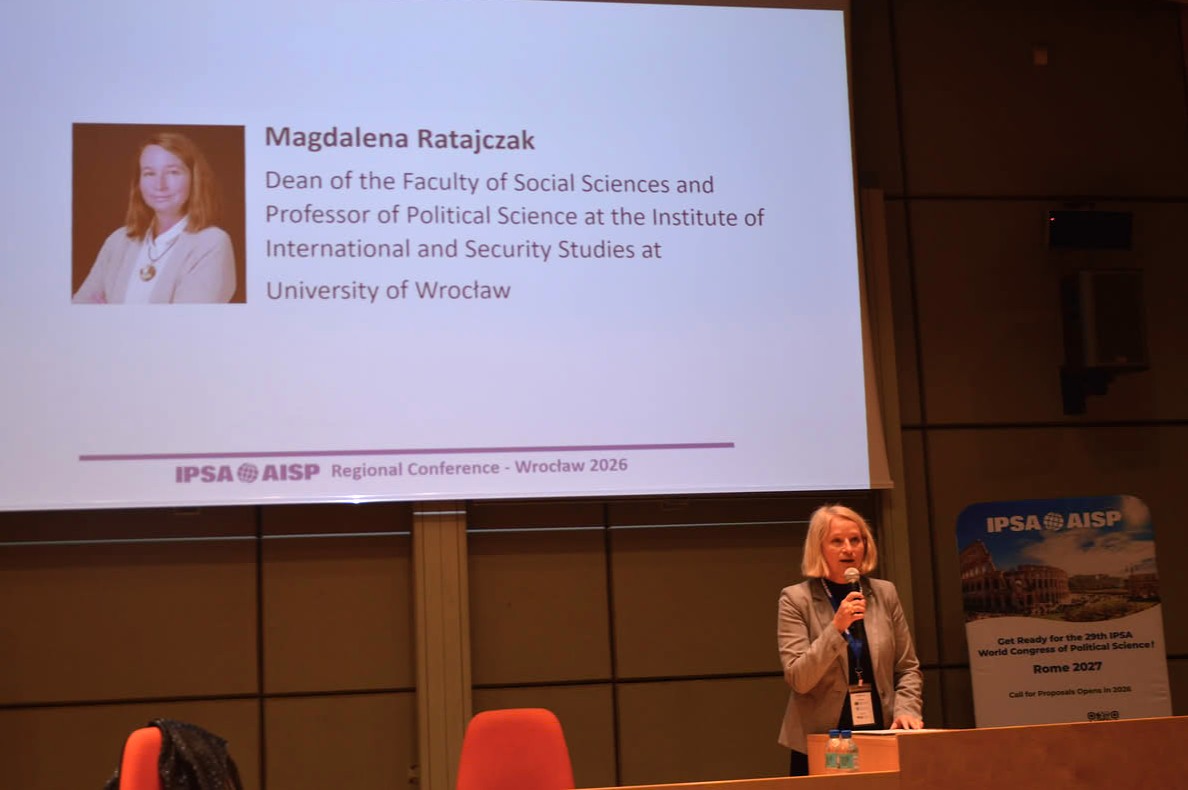
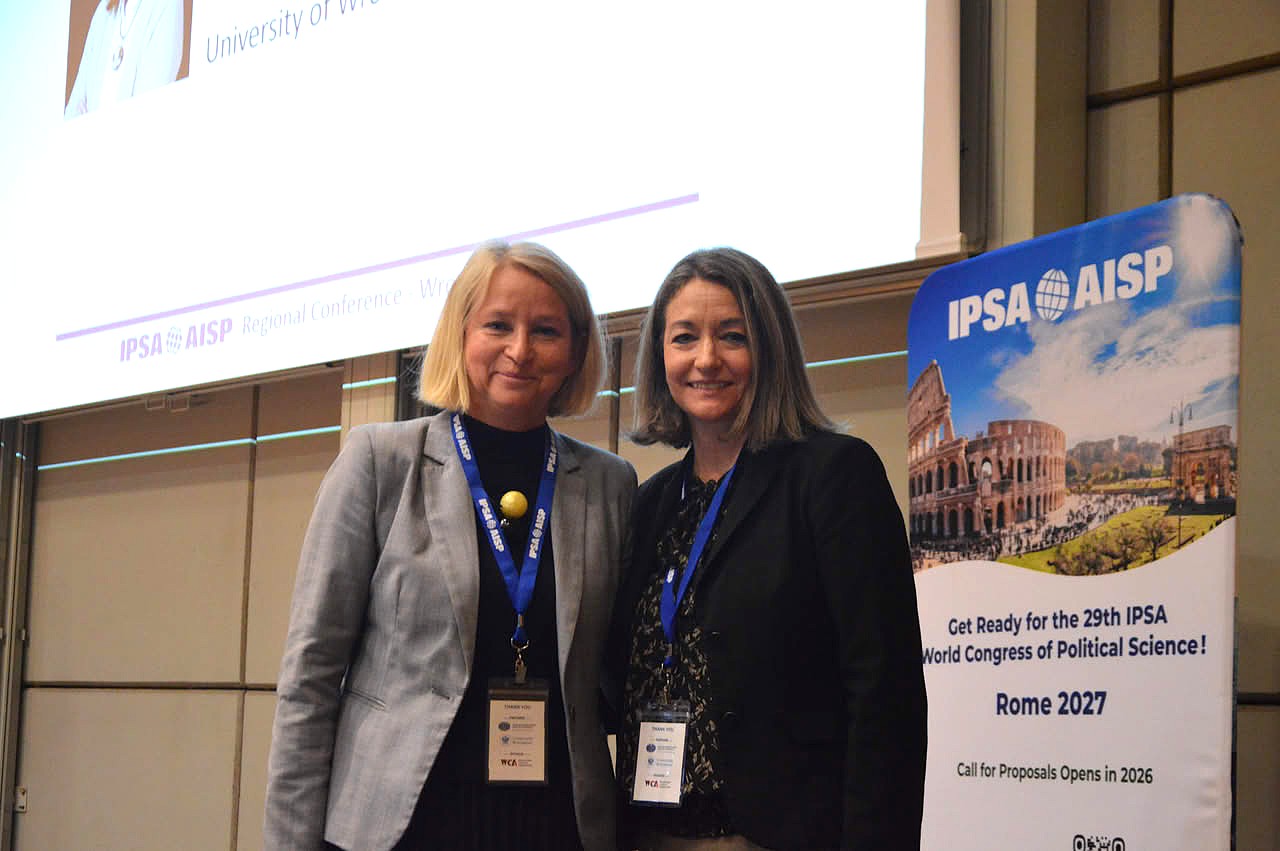
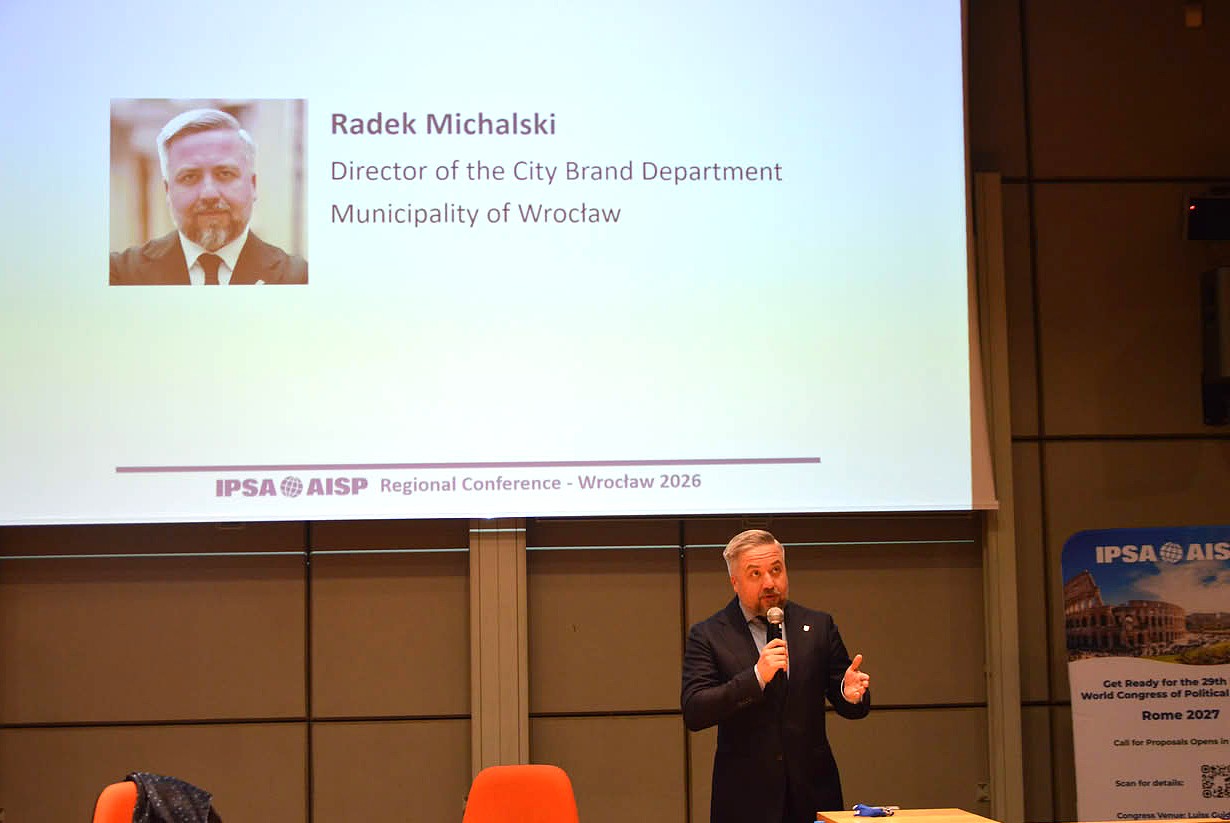
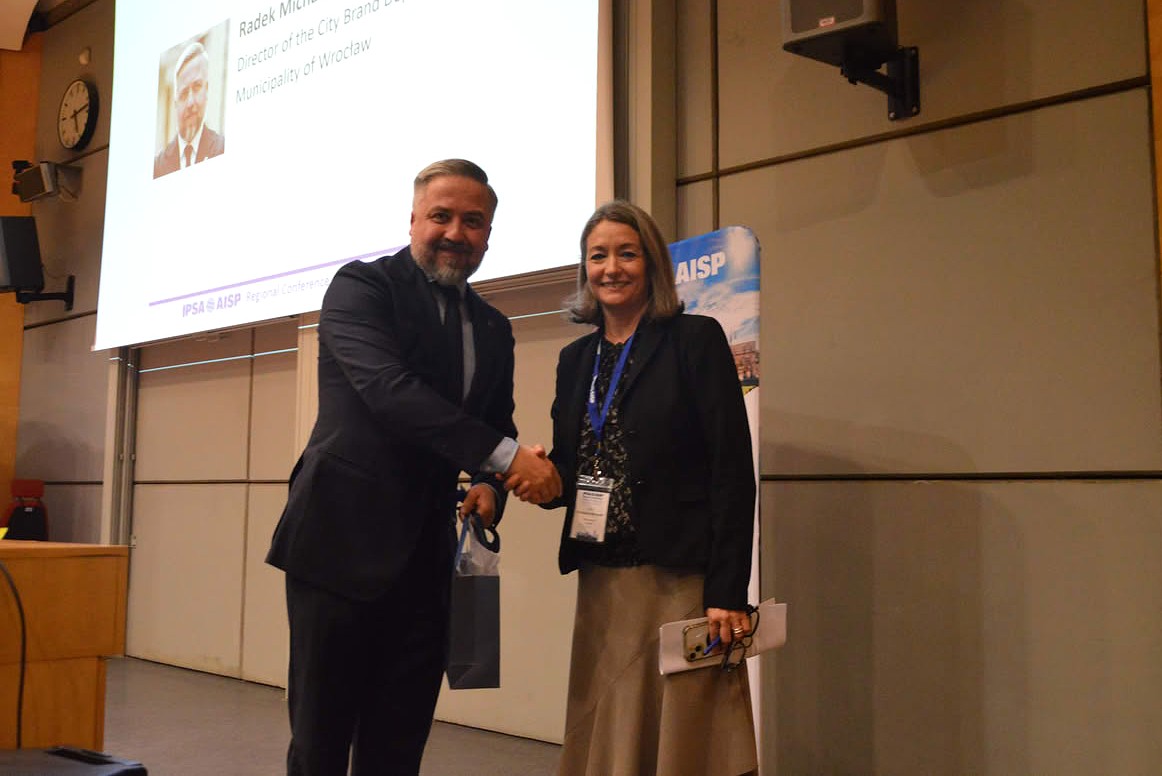
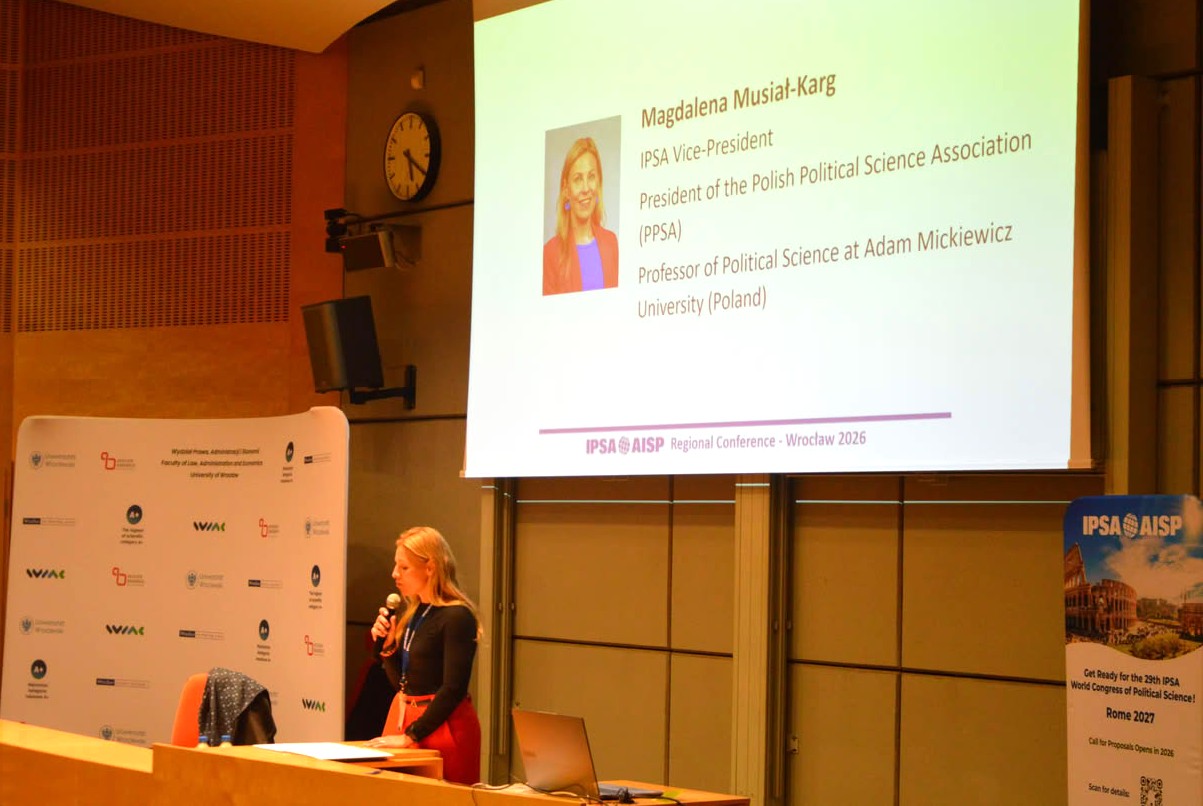
The Regional Conference officially began with opening remarks from Kim Fontaine-Skronski (Executive Director), Yuko Kasuya (IPSA President and Program Co-Chair), Magdalena Musiał-Karg (IPSA Vice-President and Program Co-Chair), Patrycja Matusz (Vice-Rector, University of Wrocław), Magdalena Ratajczak (Dean of the Faculty of Social Sciences, University of Wrocław), Radek Michalski (Director of the City Brand Department, Municipality of Wrocław). The speakers welcomed participants to Wrocław, highlighted the conference program and objectives and discussed the long-standing partnership between IPSA and the Polish Political Science Association.
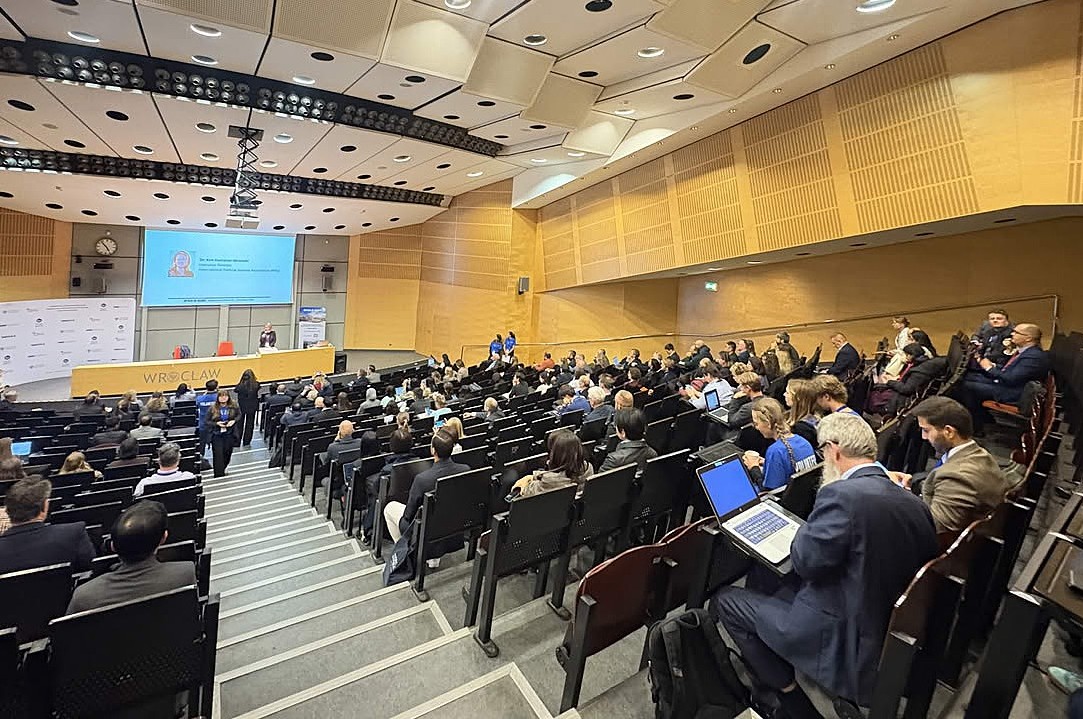
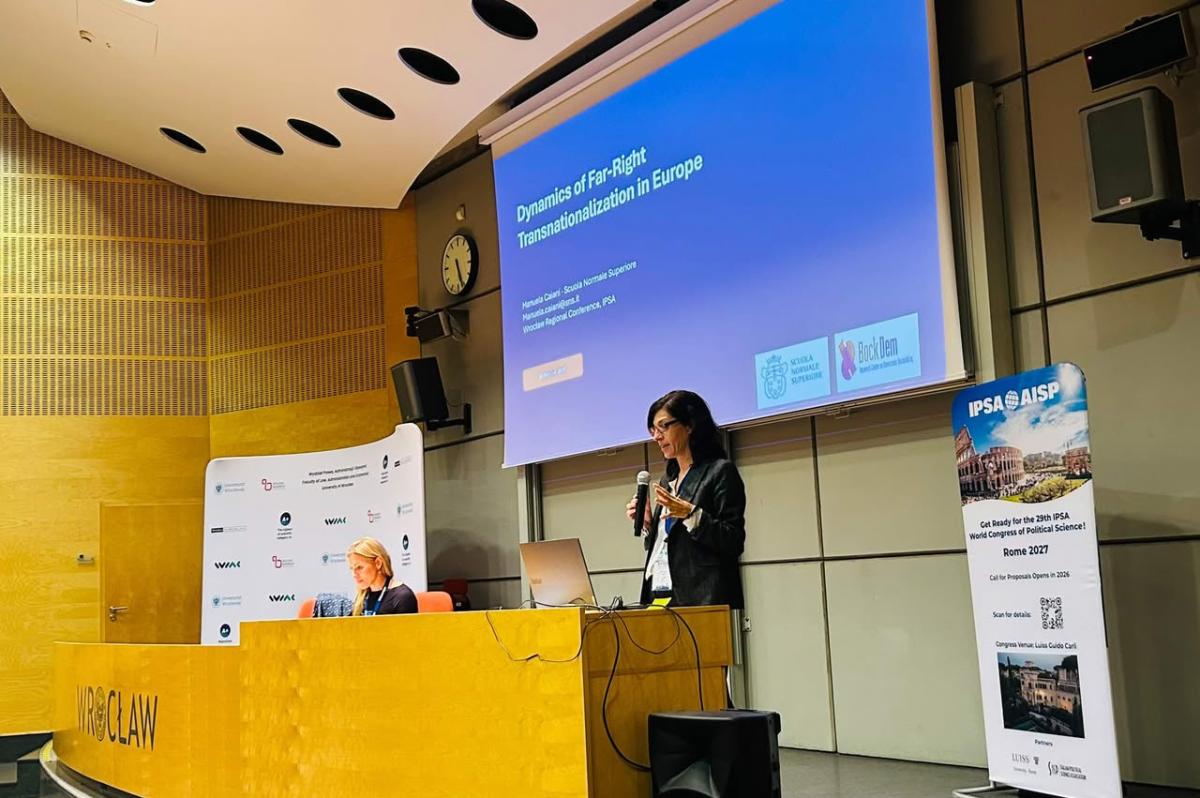
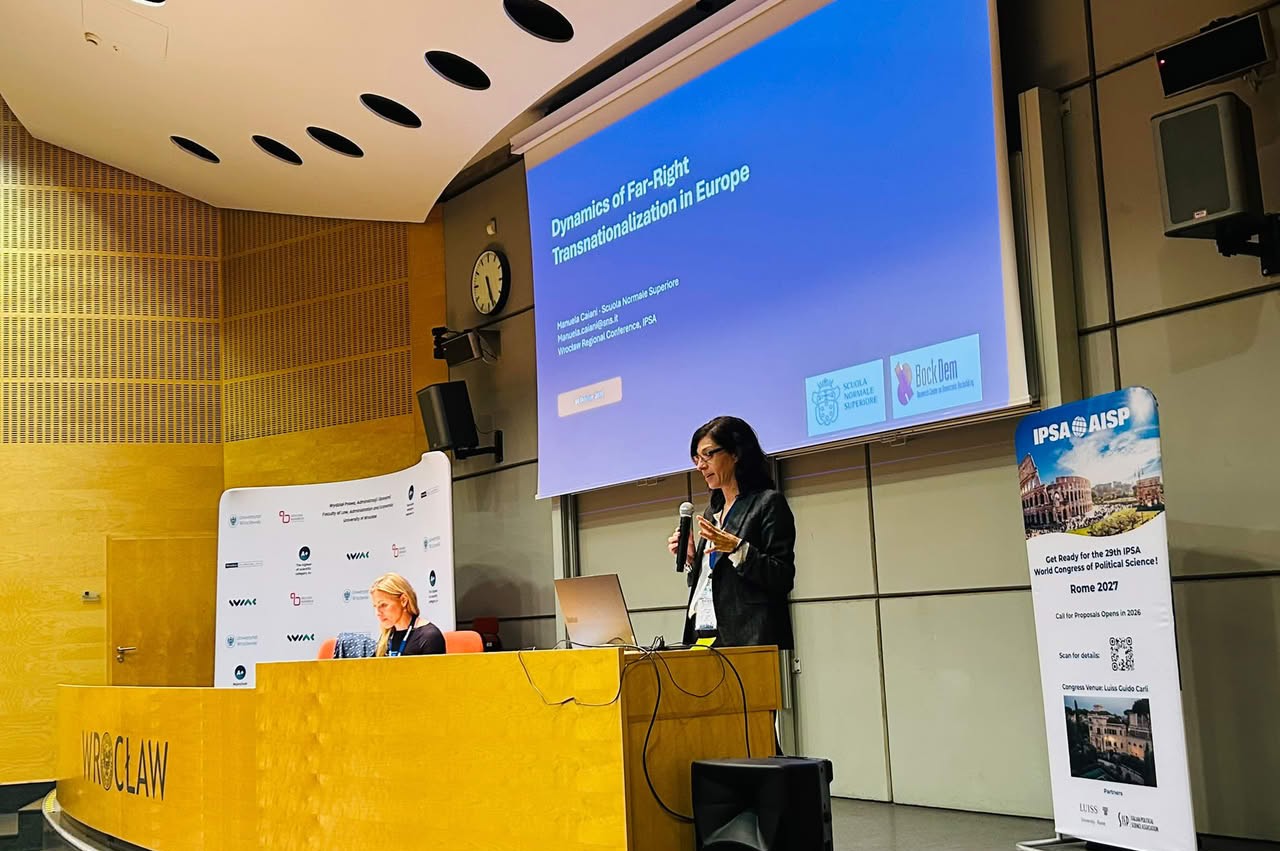
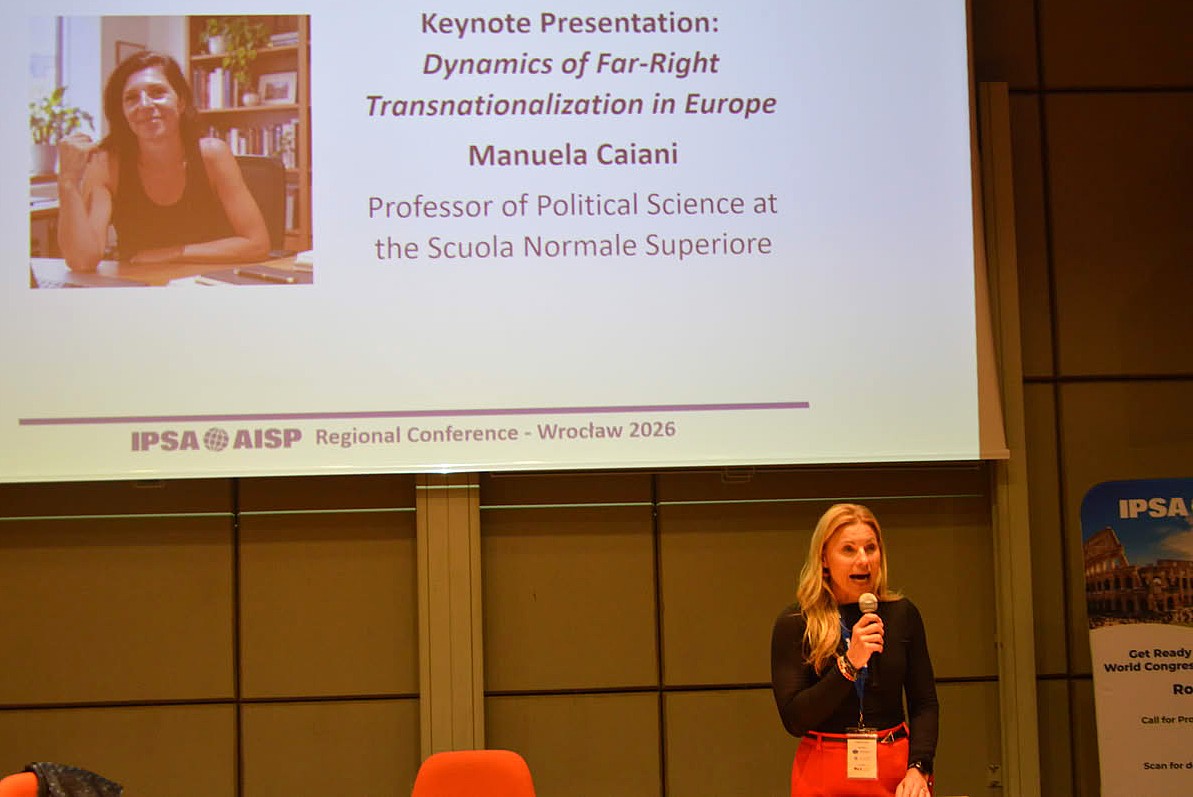
Keynote Address by Manuela Caiani: Dynamics of Far-Right Transnationalization in Europe
One of the highlights of the conference was the keynote address by Manuela Caiani (Associate Professor, Scuola Normale Superiore). IPSA Vice-President Magdalena Musiał-Karg chaired the session and introduced Prof. Caiani. Drawing on research conducted as part of the Neo-authoritarianisms in Europe and the Liberal Democratic Response project (AUTHLIB), Prof. Caiani examined the mechanisms, channels and processes through which illiberal actors and ideas become transnational. The keynote was followed by a lively Q&A session.
Welcome Reception
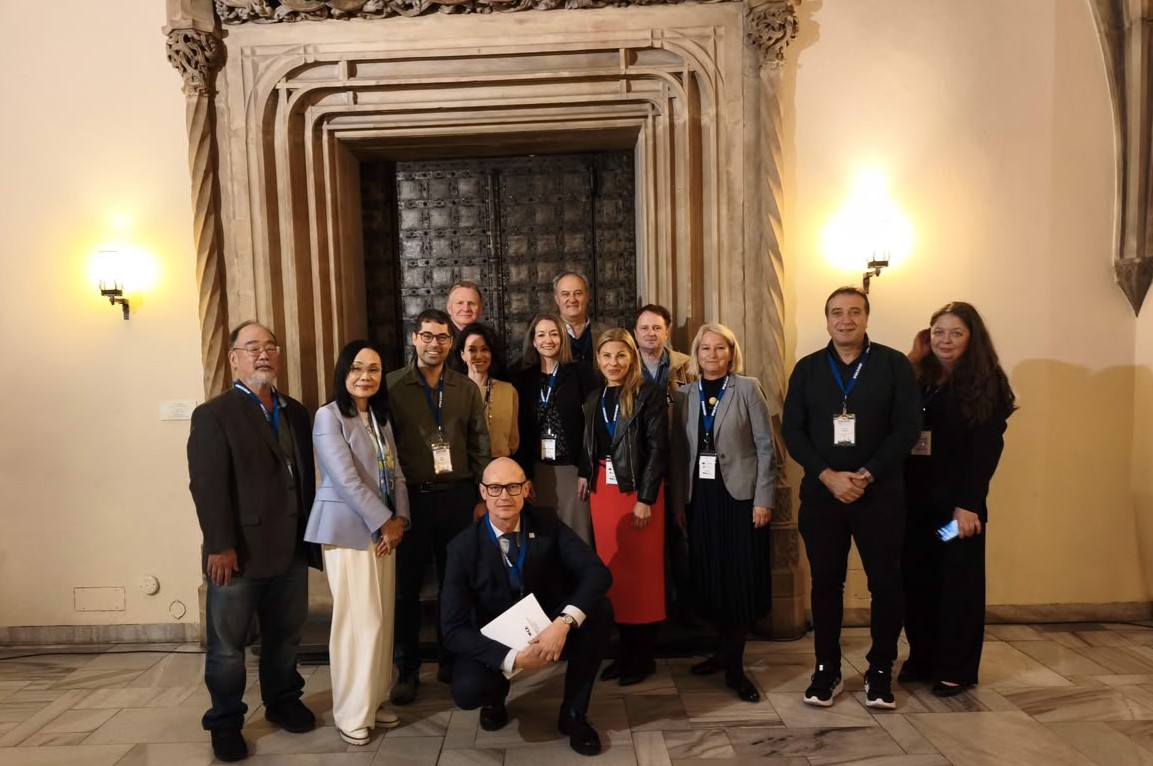
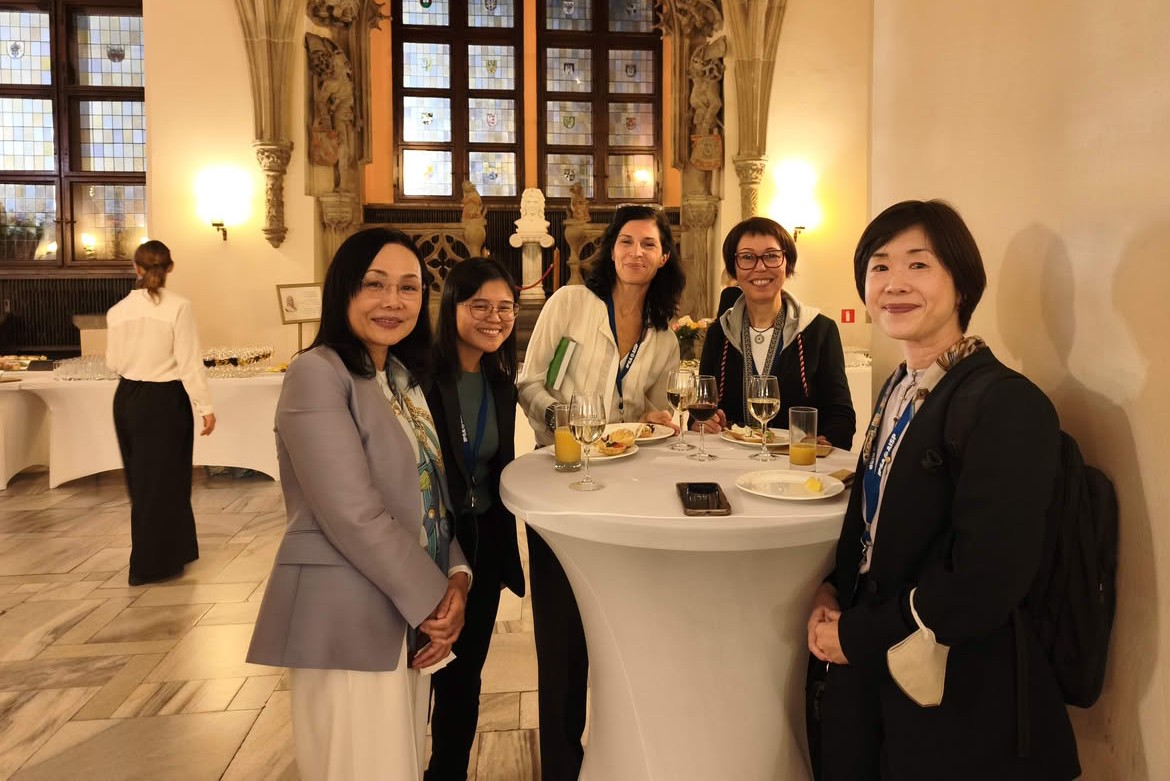
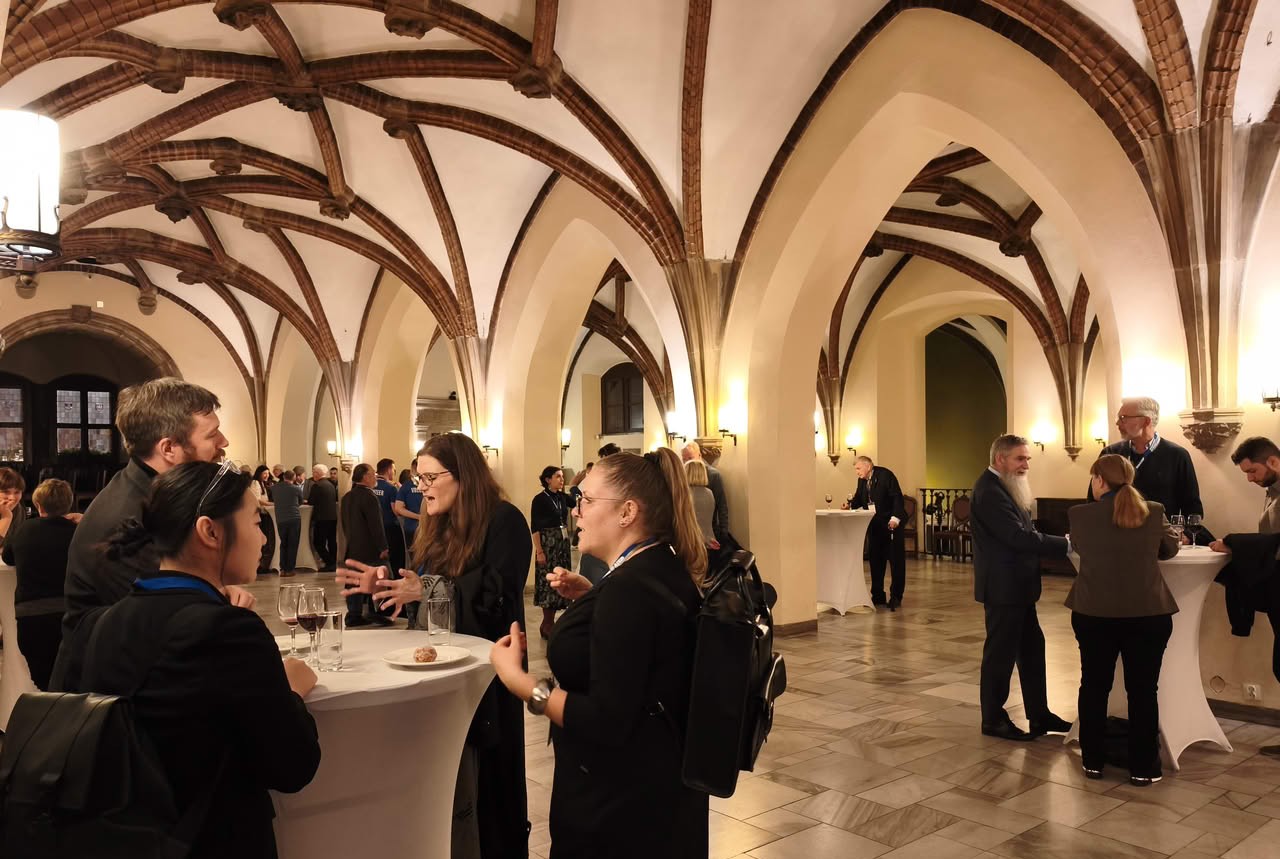
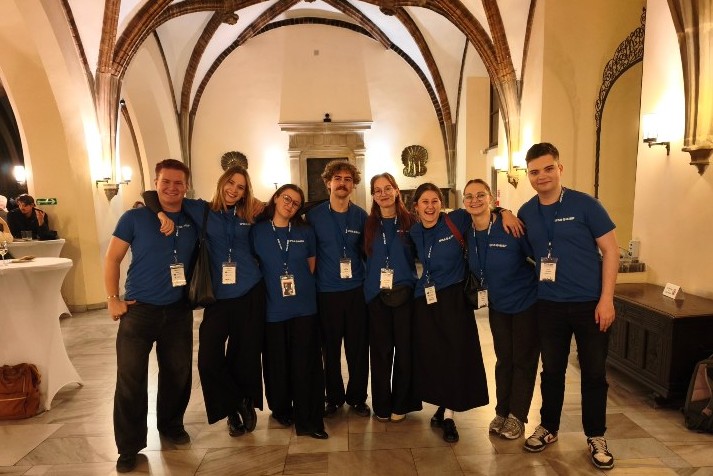
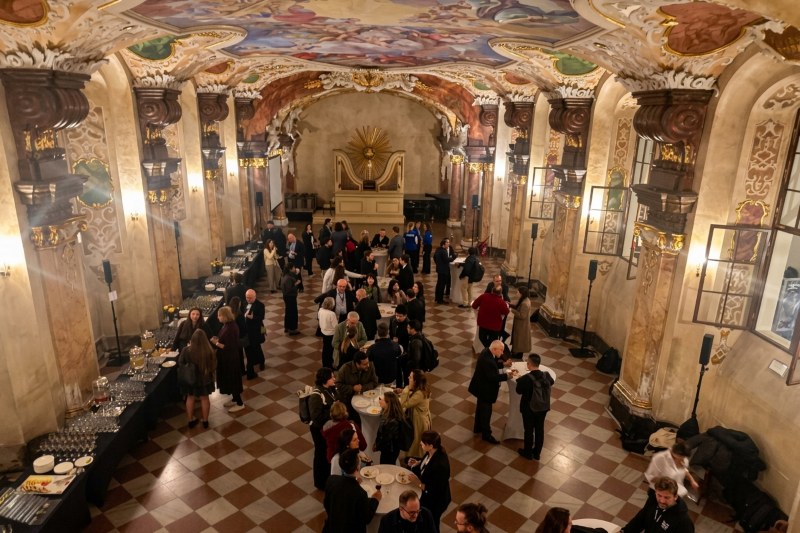
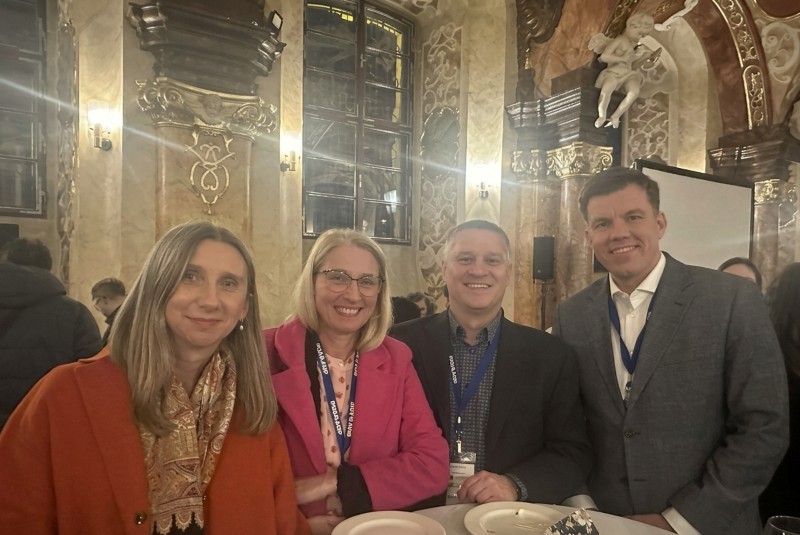
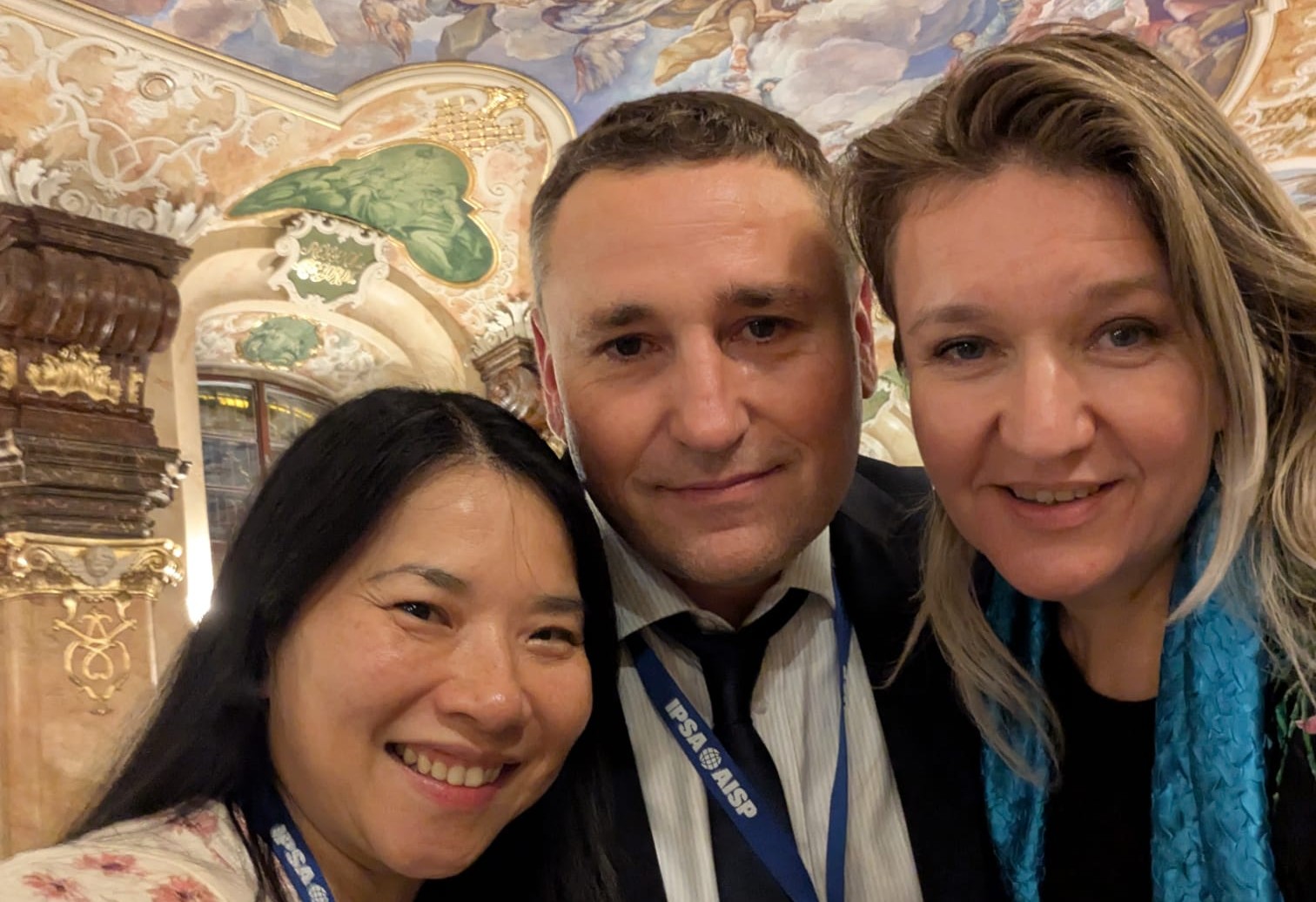
The Opening Reception of the IPSA Regional Conference welcomed participants and special guests at the University of Wrocław. The reception provided an opportunity for conference participants from around the world to meet, reconnect with colleagues and exchange ideas in an informal setting.
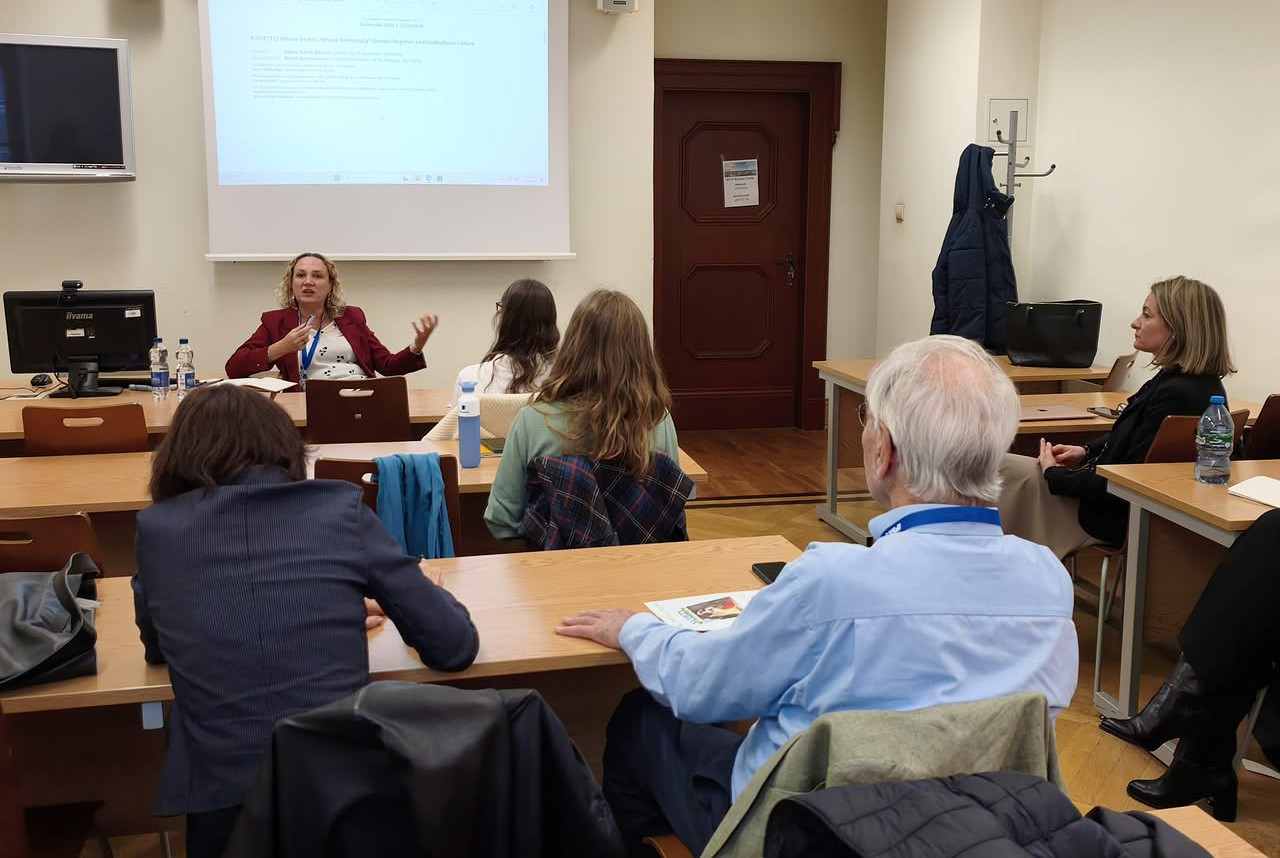
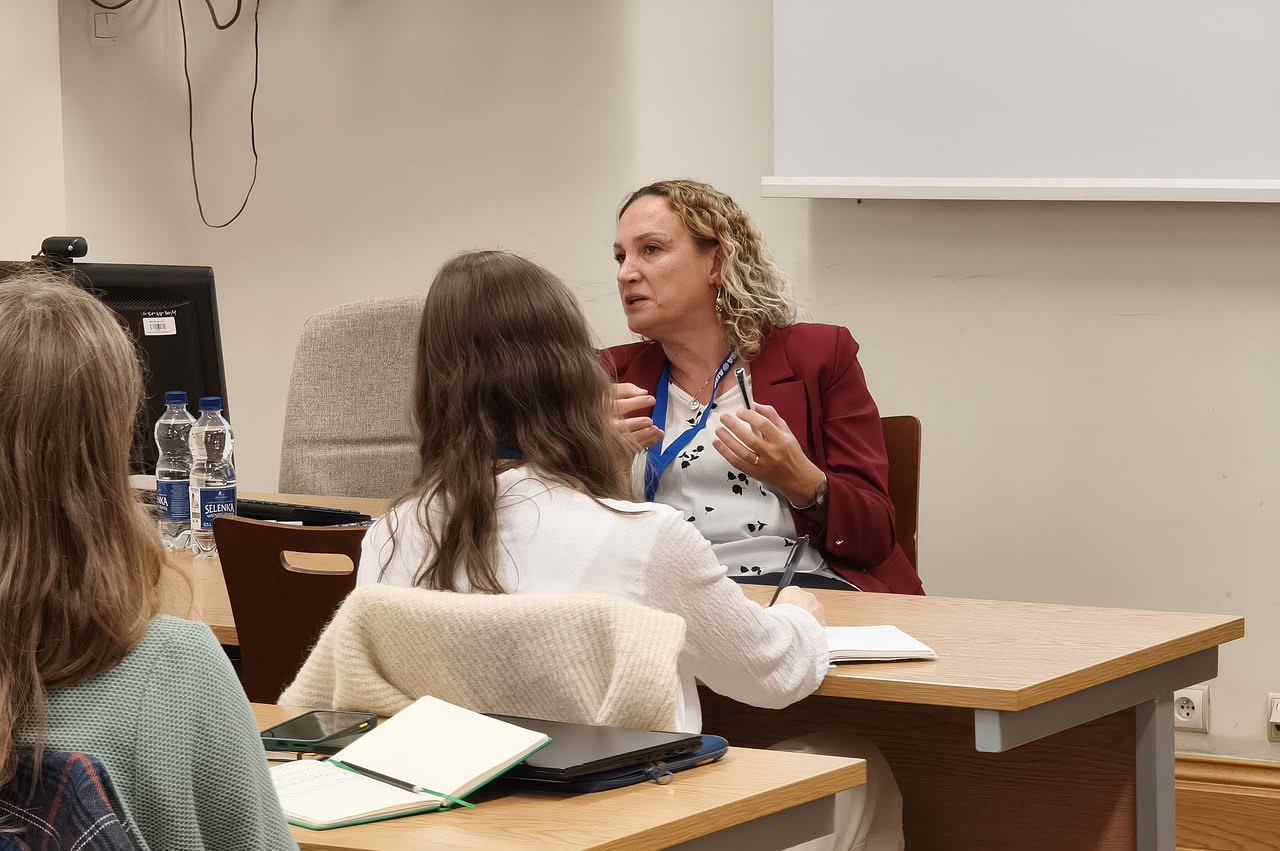
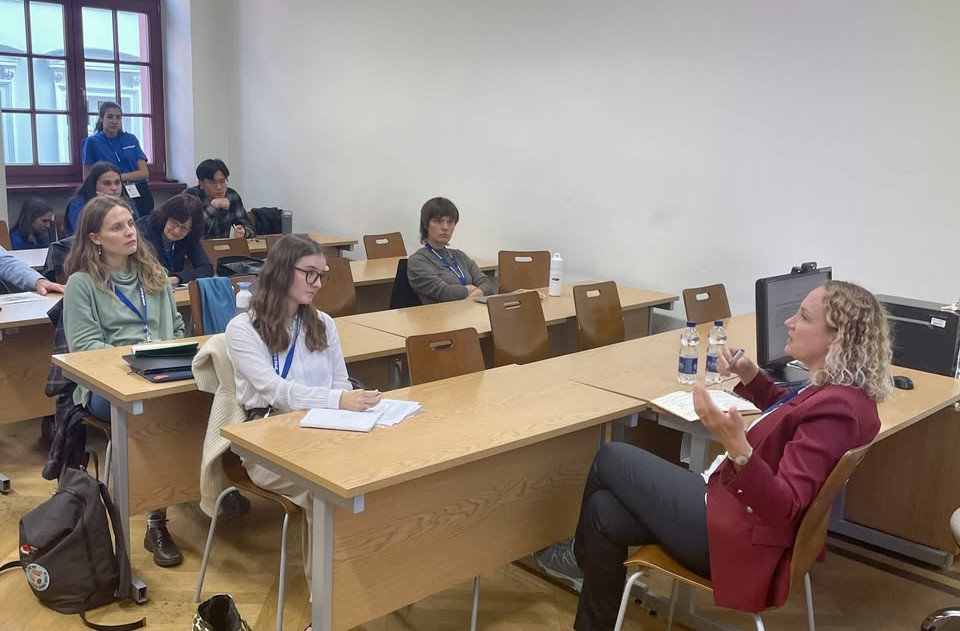
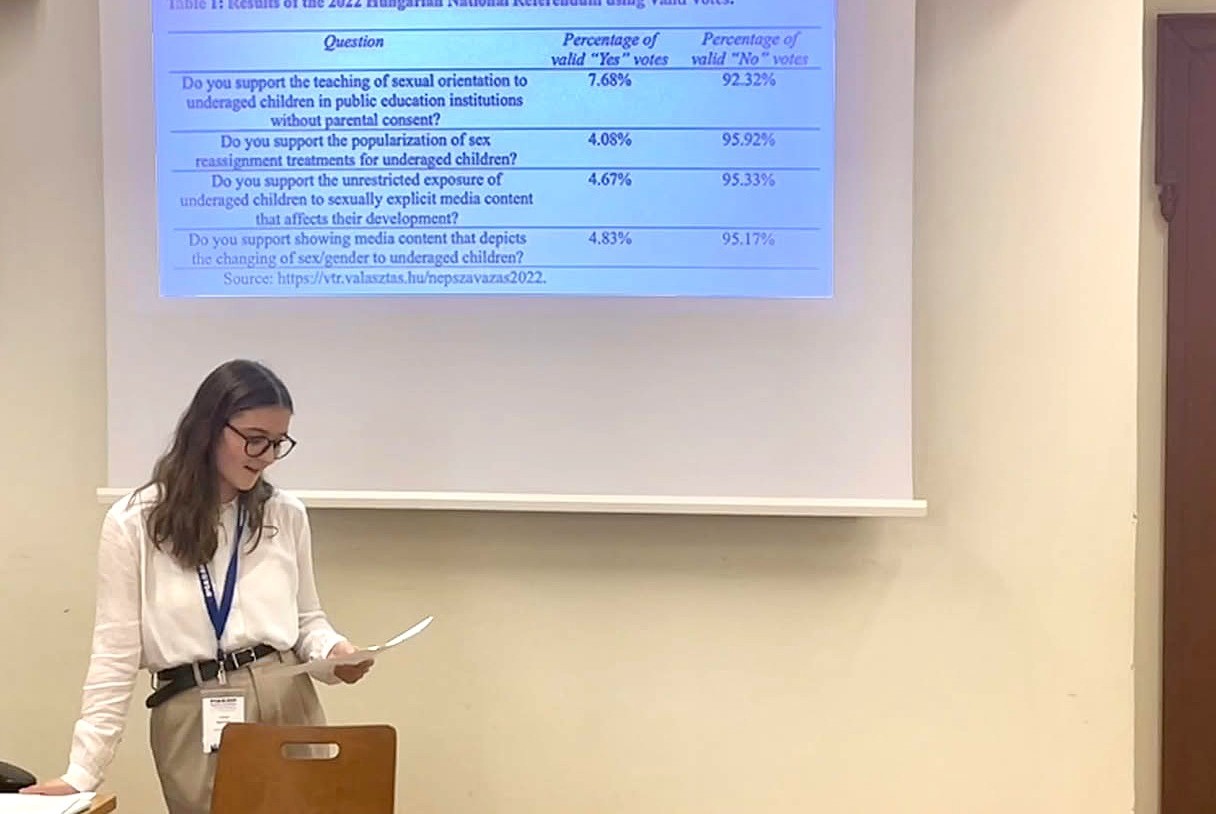
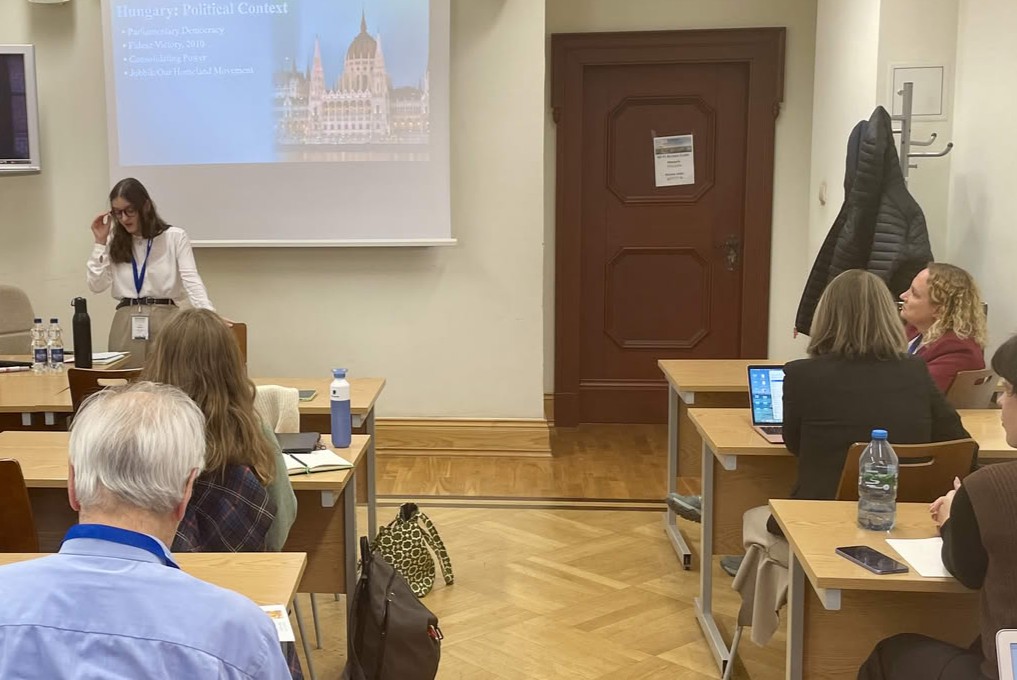
IPSA President-Elect Hasret Dikici Bilgin participated in the Whose Bodies, Whose Democracy? Gender Regimes and Institutional Failure panel to present her paper, Pink but Not Purple: From State Feminism to the Era of Tradwives.
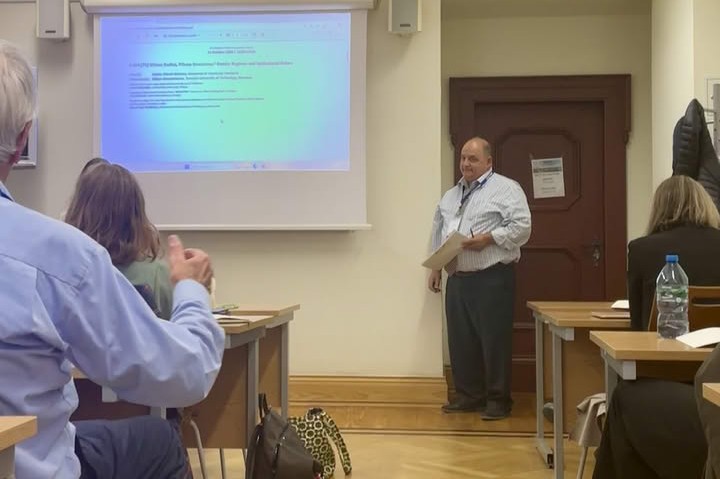
Former IPSA EC member Arkadiusz Żukowski was a presenter at the Diplomacy Challenges and the War in Ukraine panel.
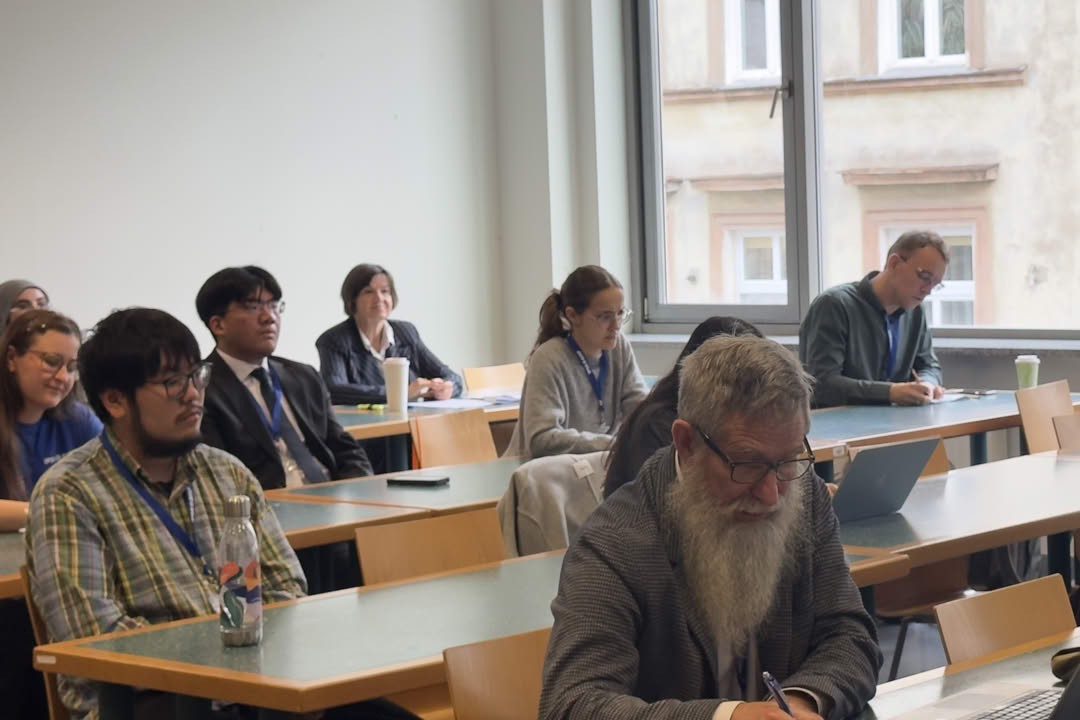
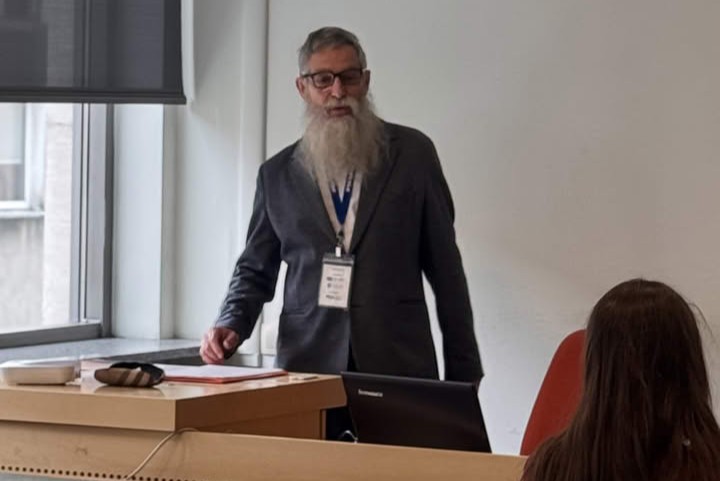
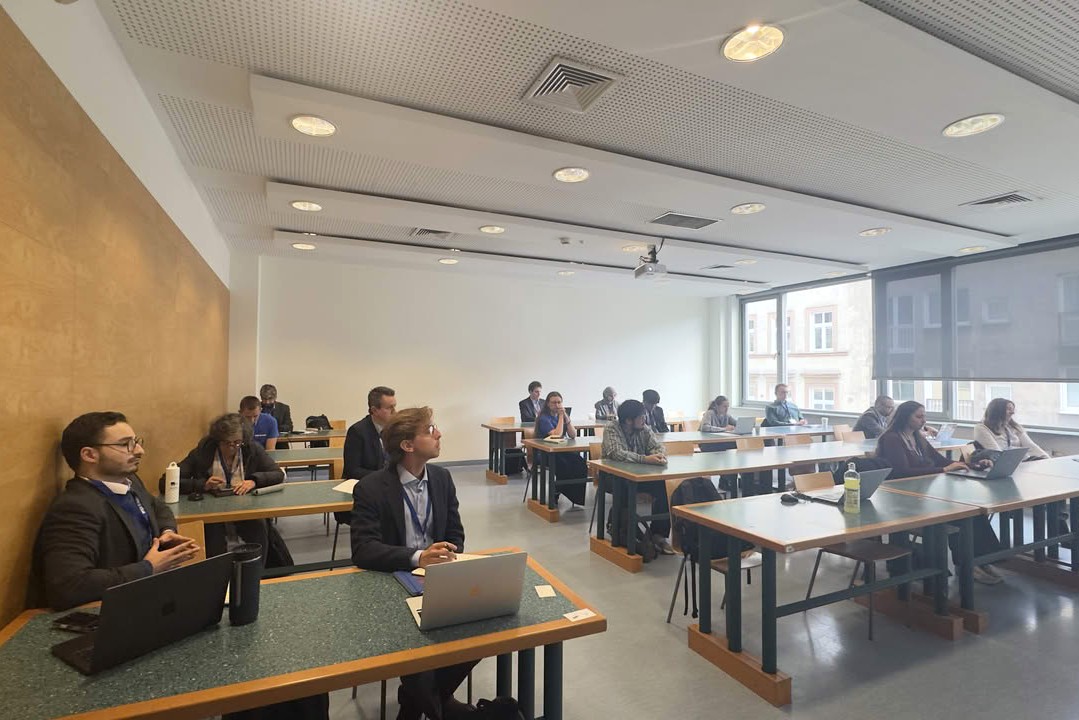
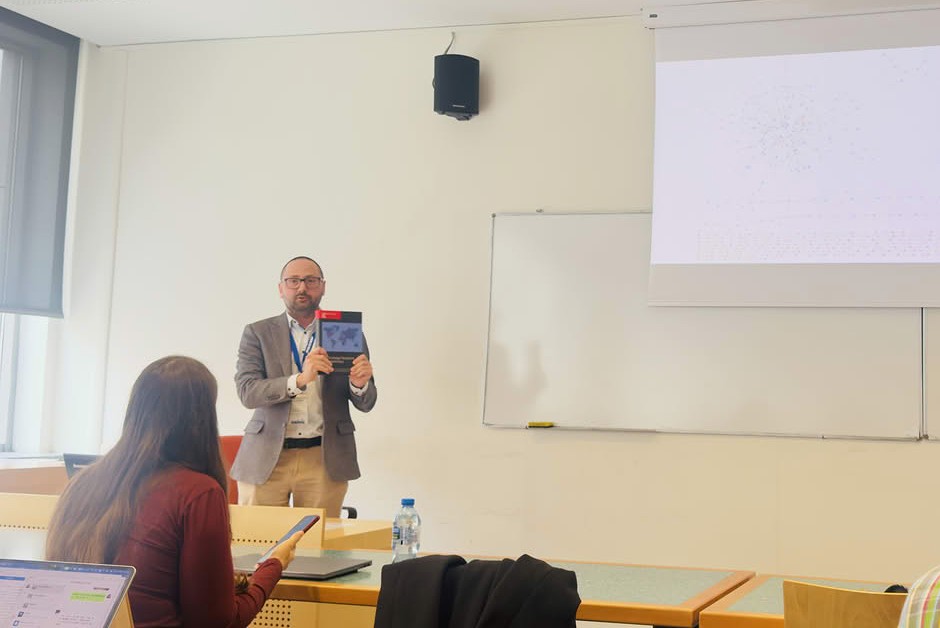
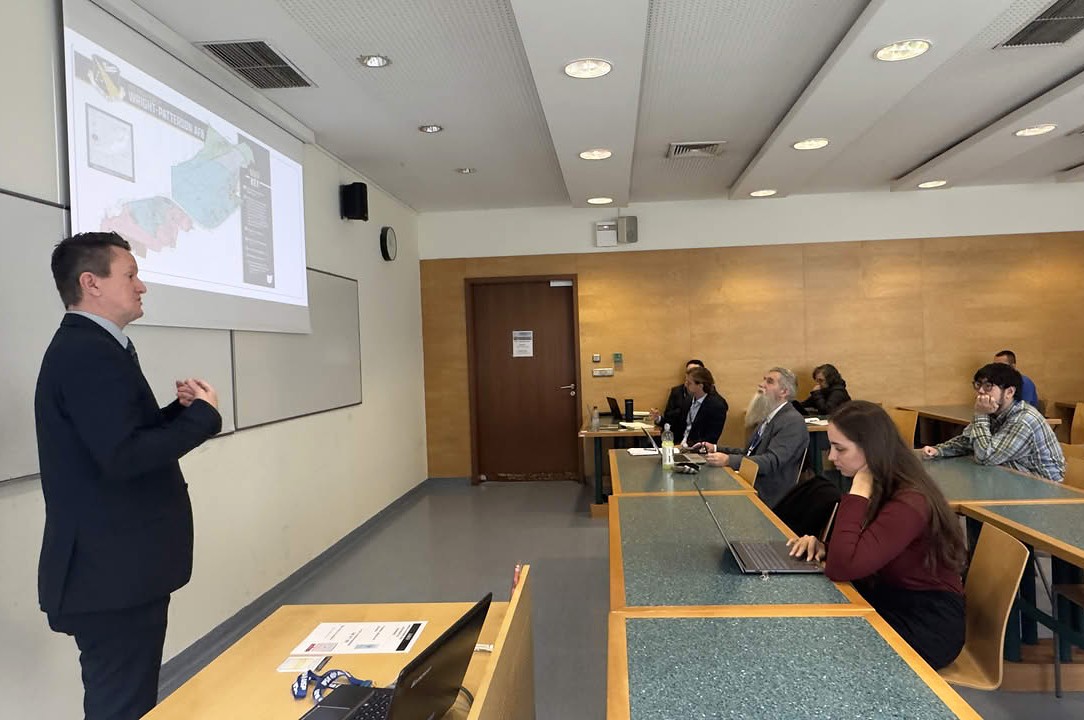
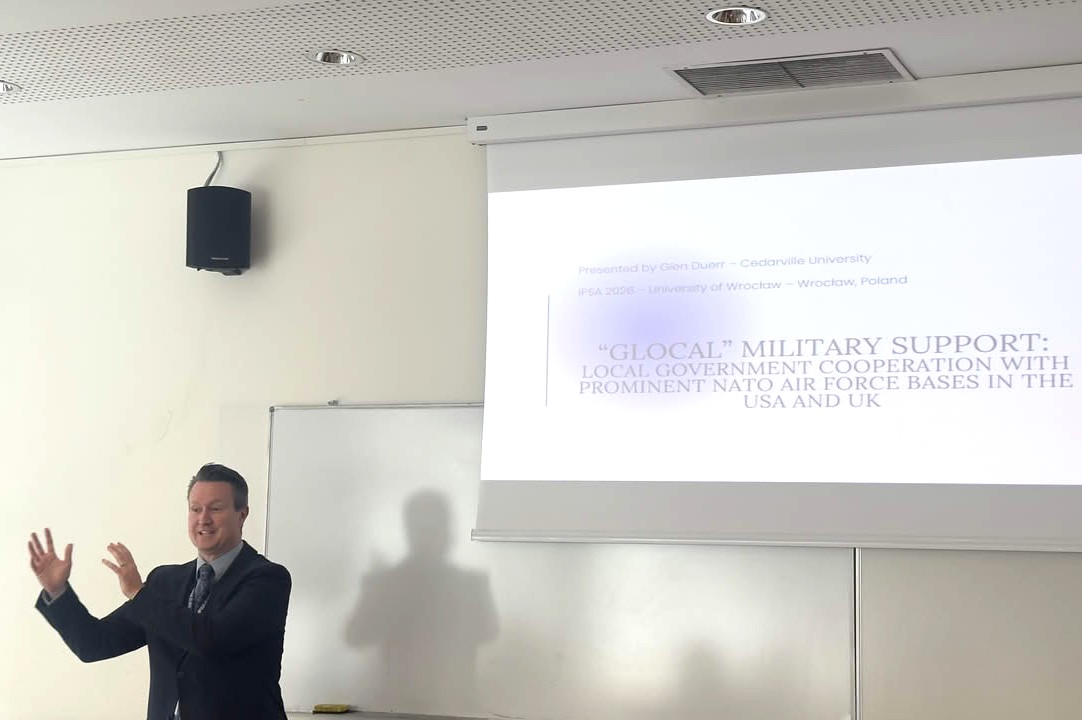
Chaired by Teresa Sasińska-Klas (University of Information Technology and Management), the first LOC roundtable, Media, Disinformation and Digital Technologies in the Polish Public Sphere, brought together experts to discuss the media environment, disinformation, and the impact of digital technologies on public discourse in Poland.
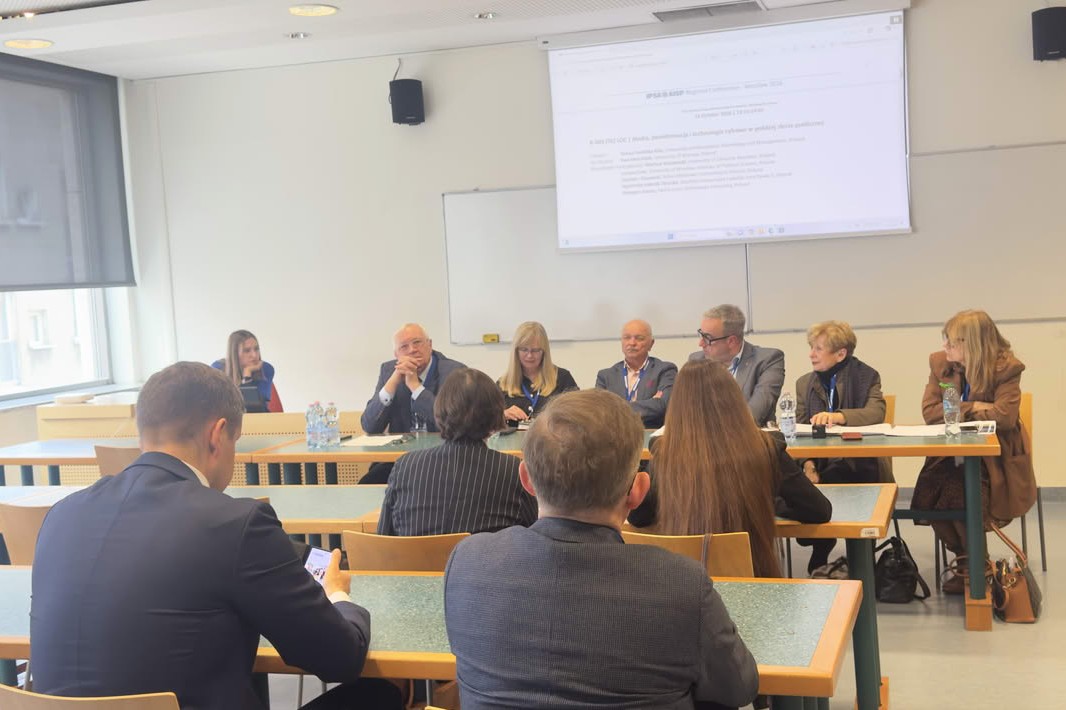
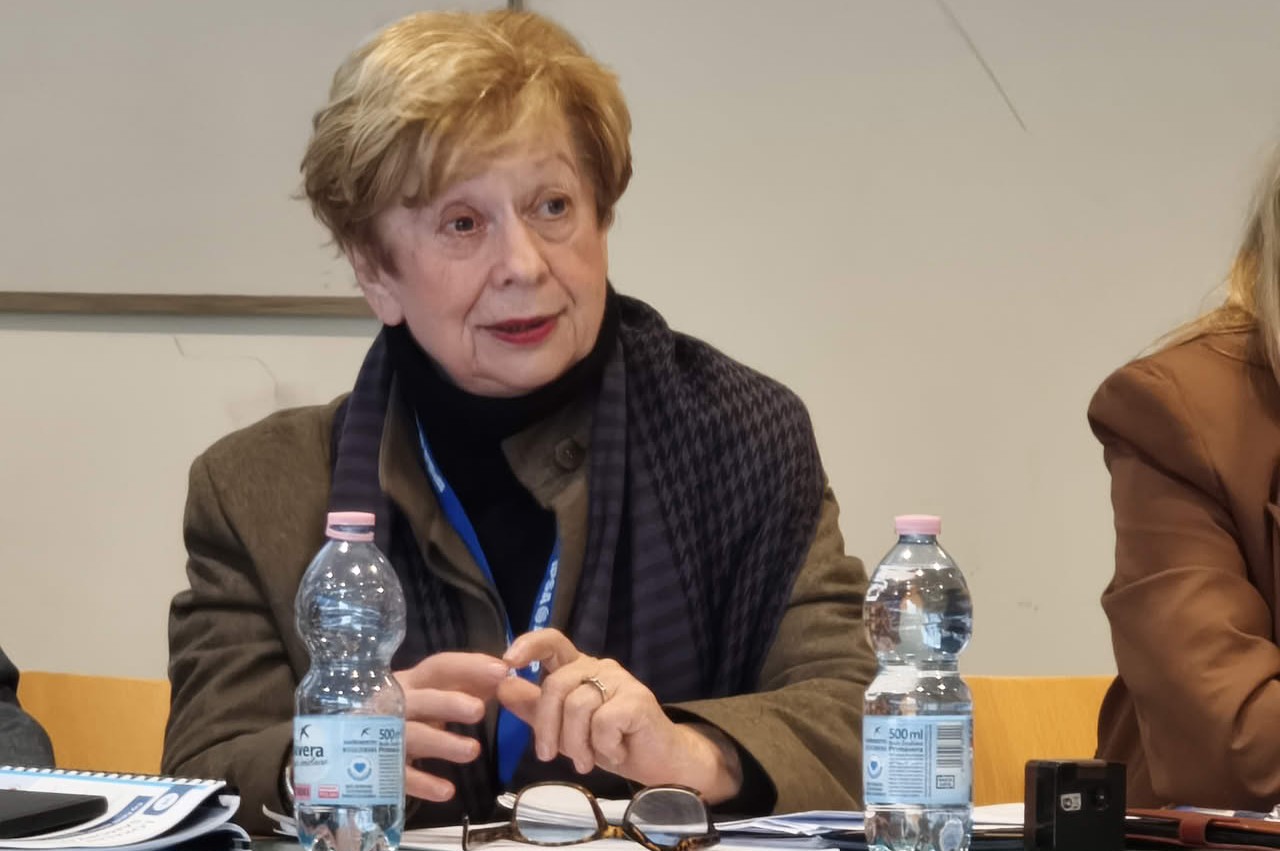
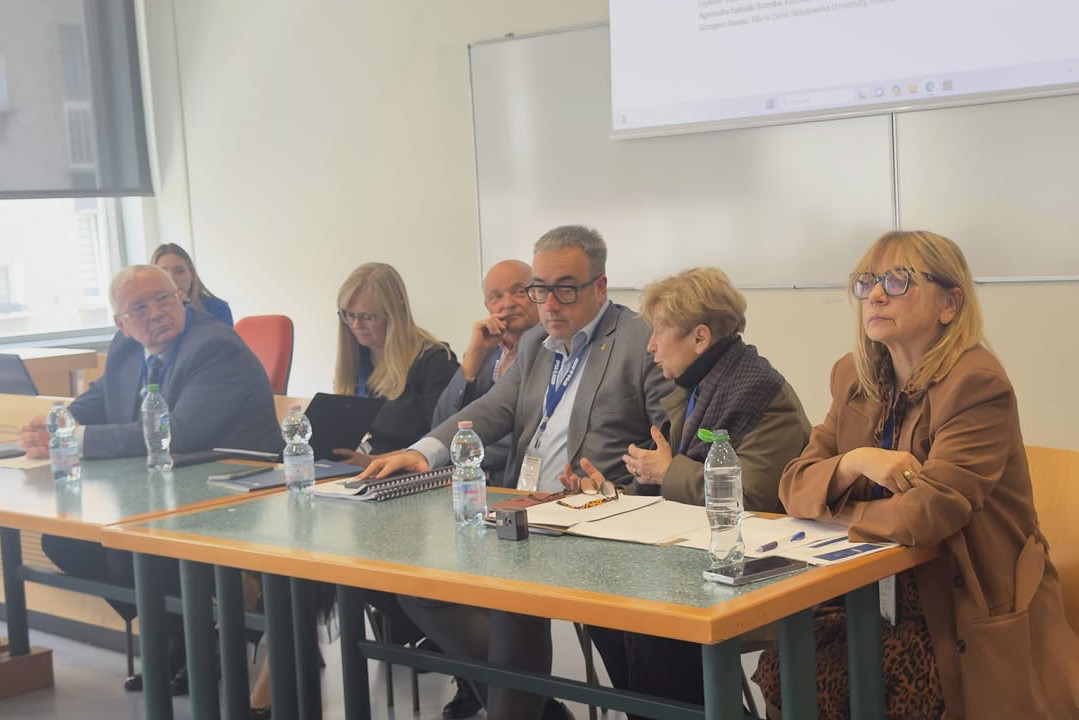
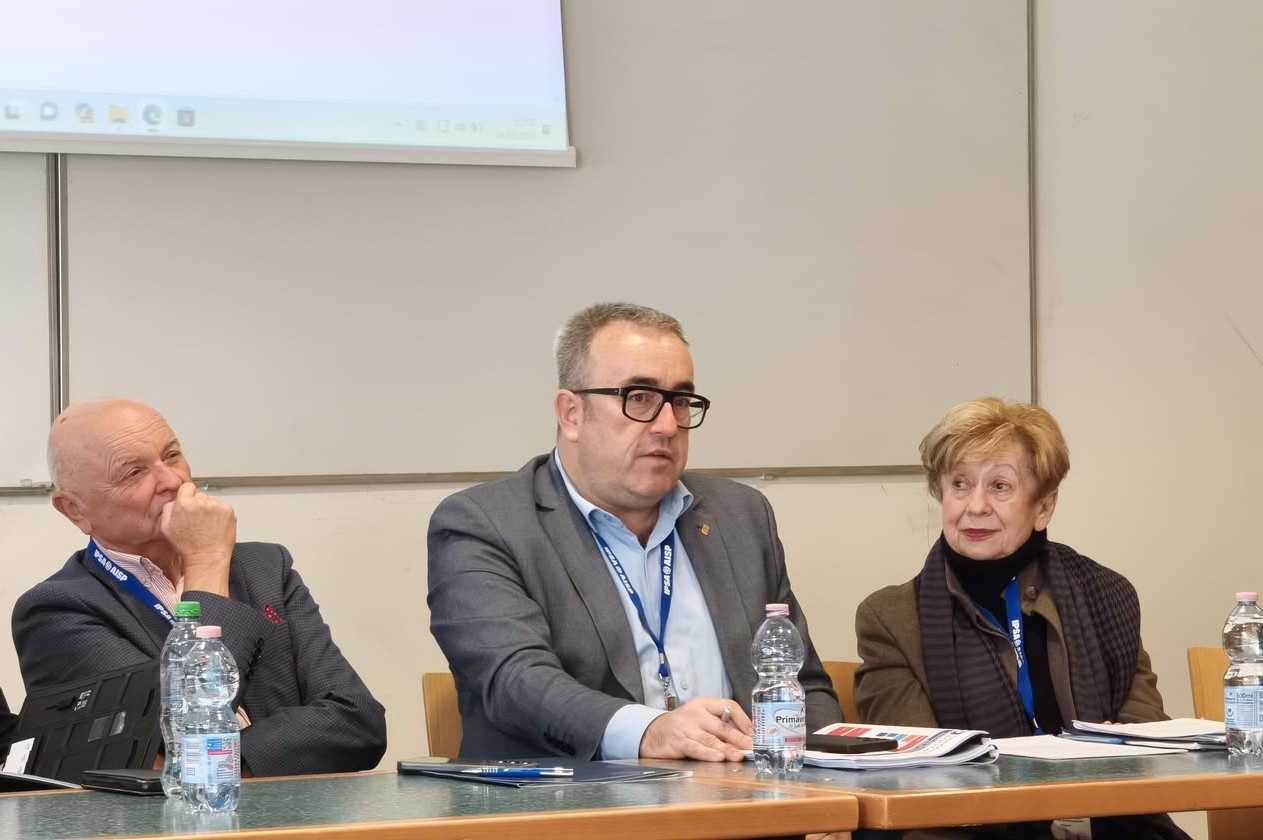
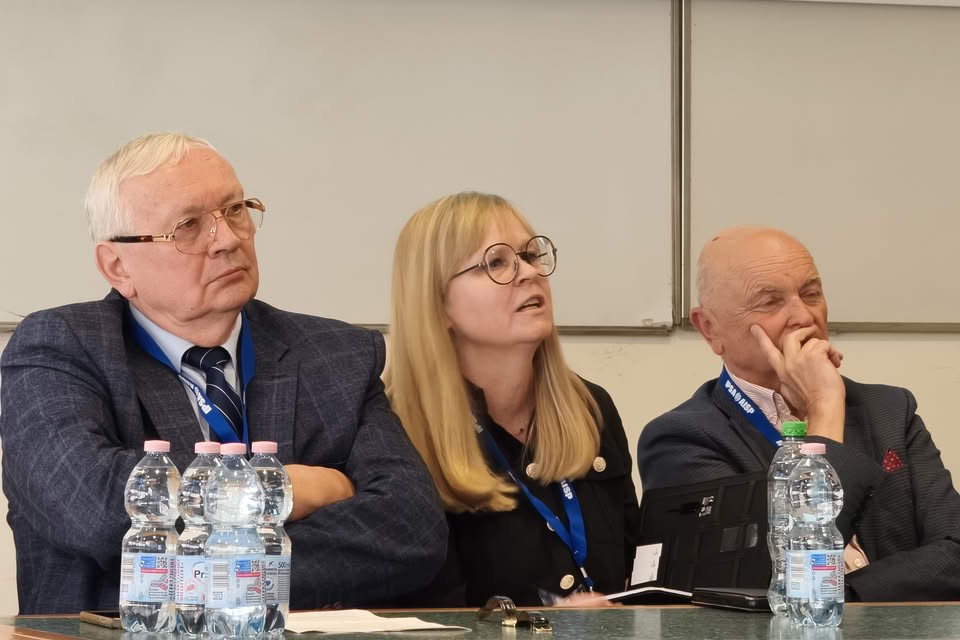
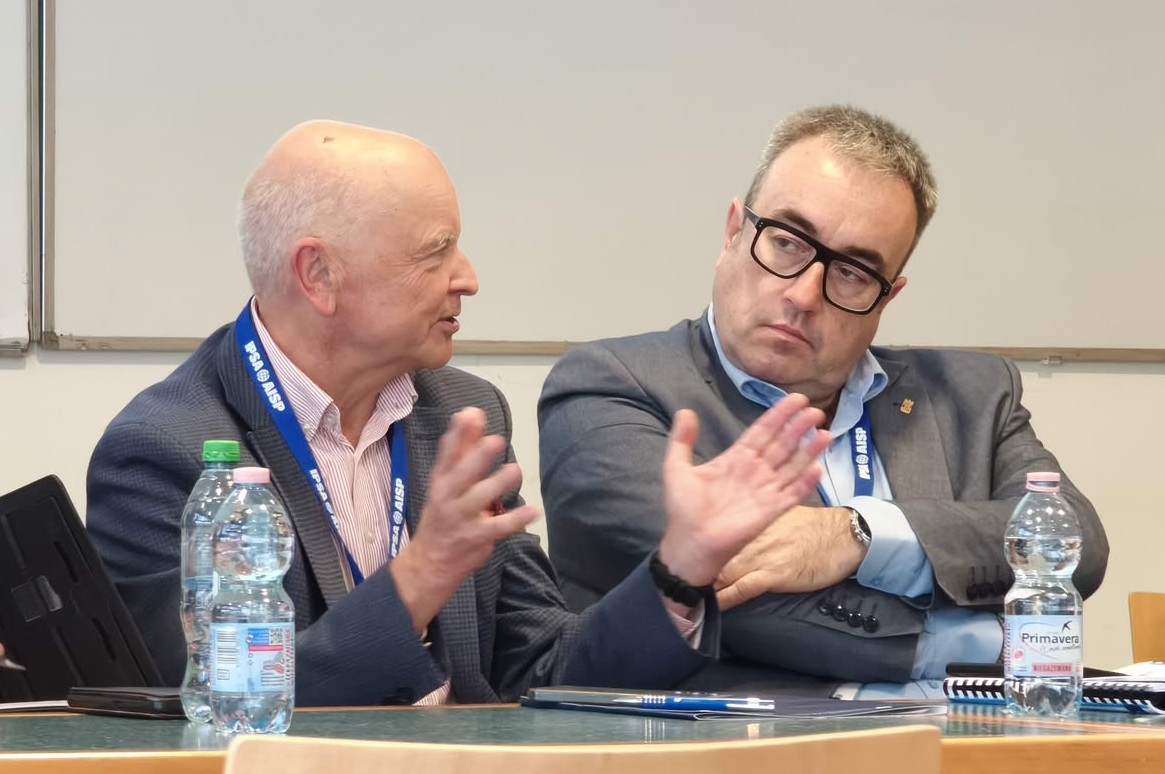
Chaired by Jolanta Itrich-Drabarek (University of Warsaw), the second LOC roundtable, The Resilience of Democracy in Poland Amid Polarization and Populist Pressure, examined the challenges facing democratic institutions in Poland. Former IPSA EC member Arkadiusz Żukowski also participated in this roundtable.
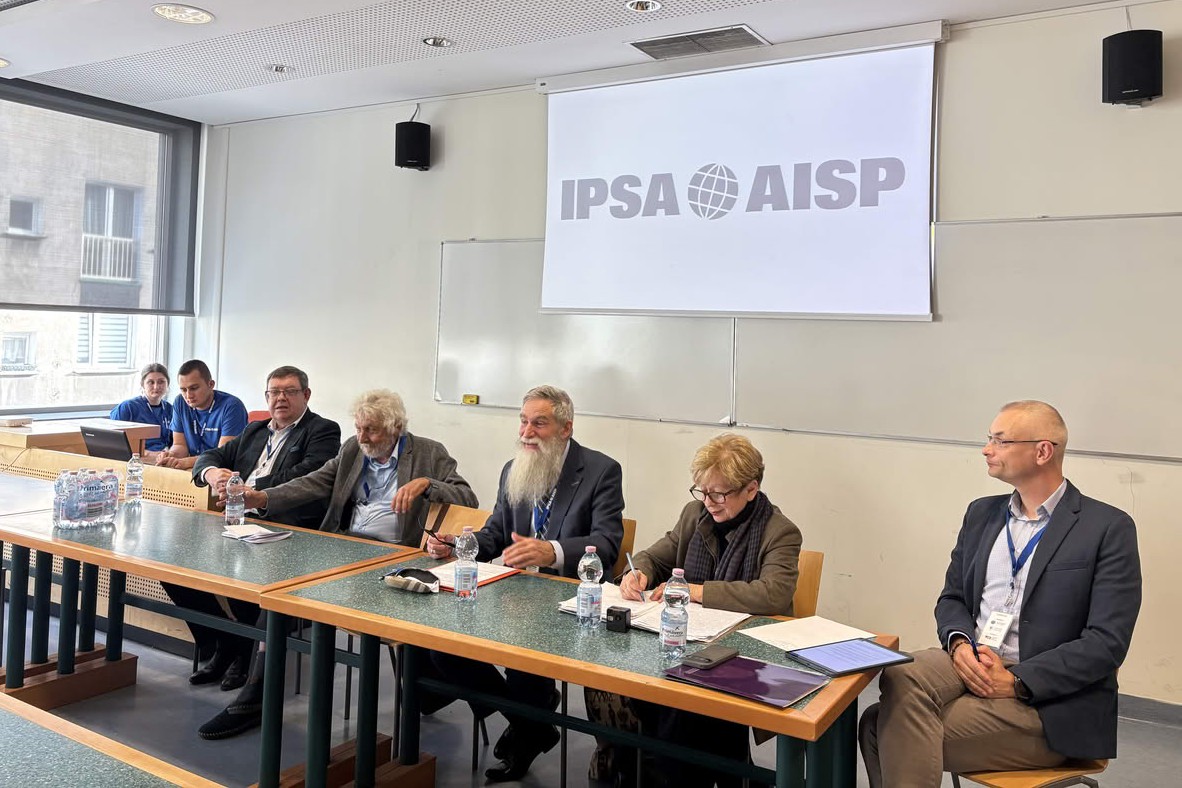
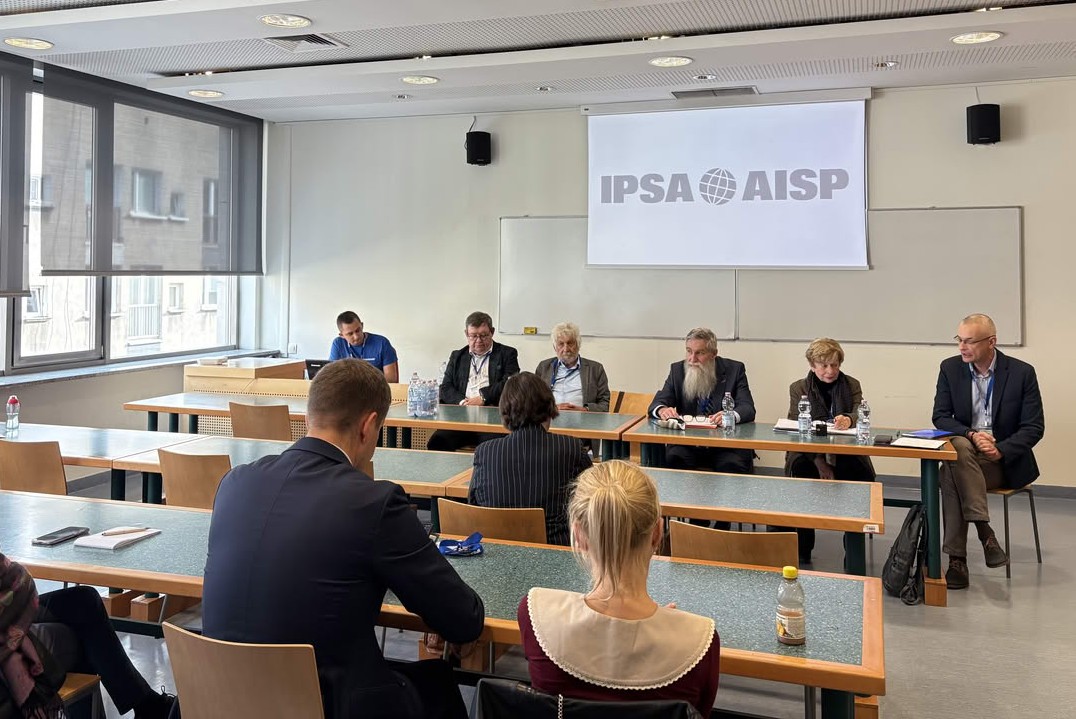
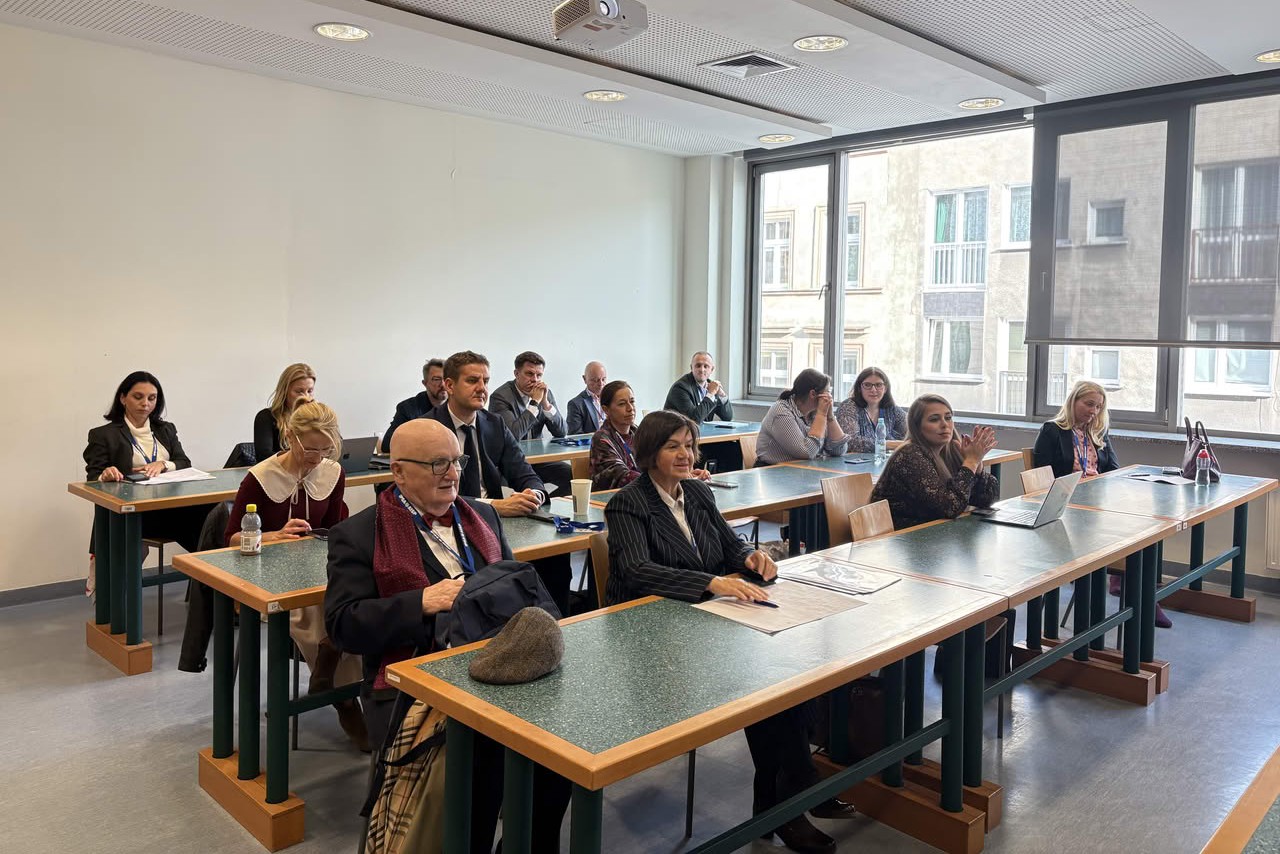
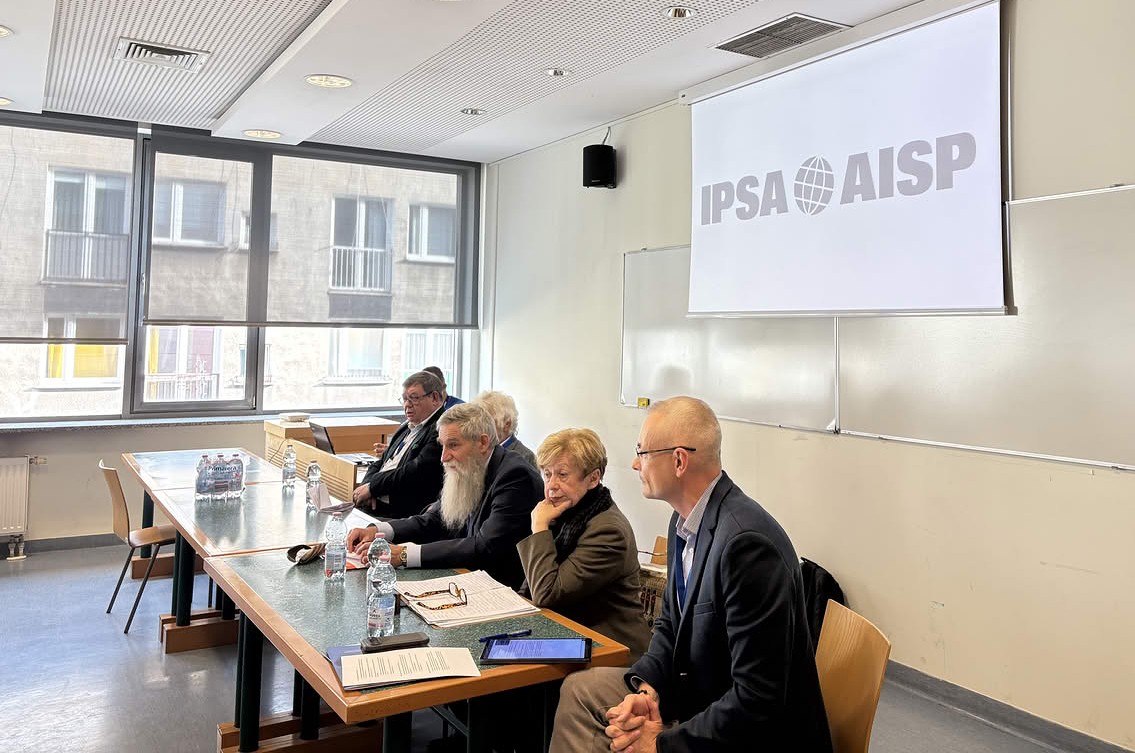
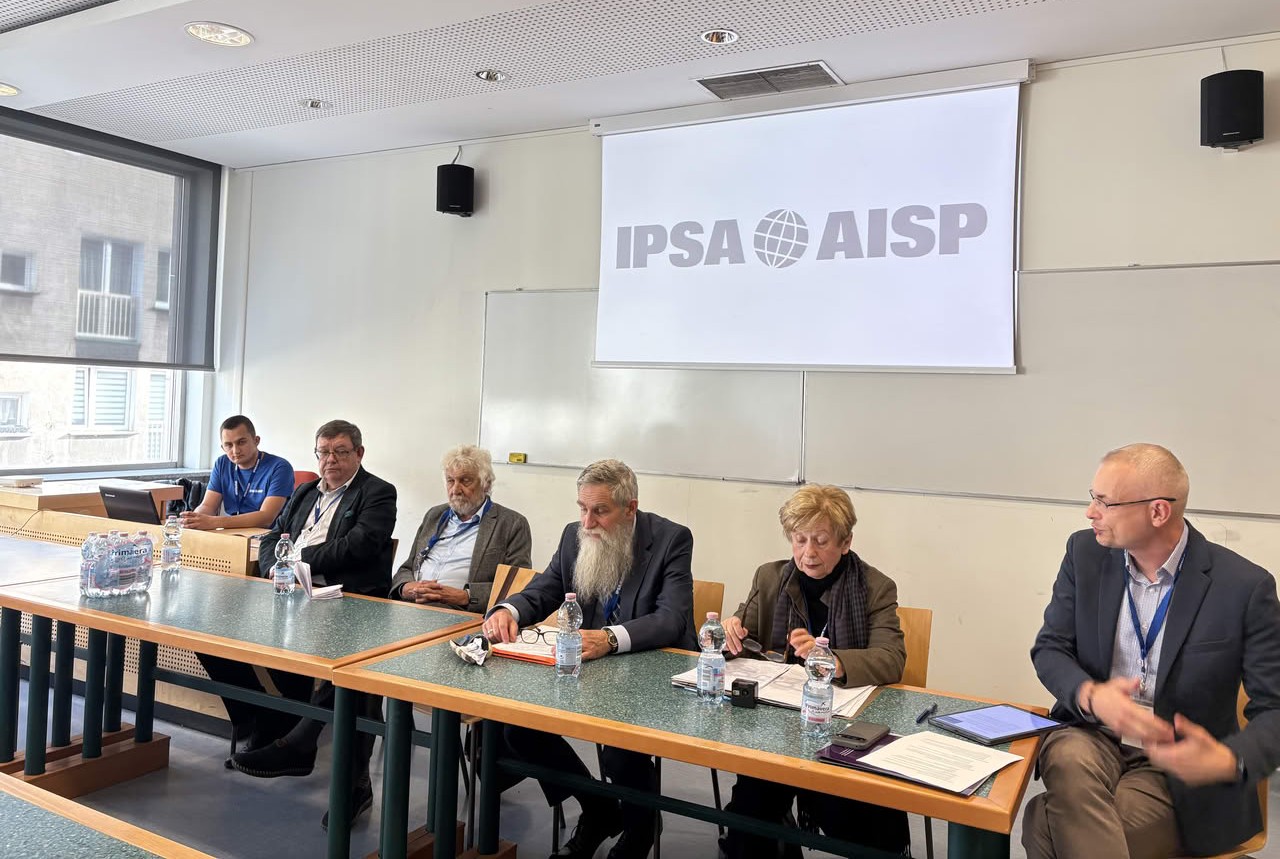
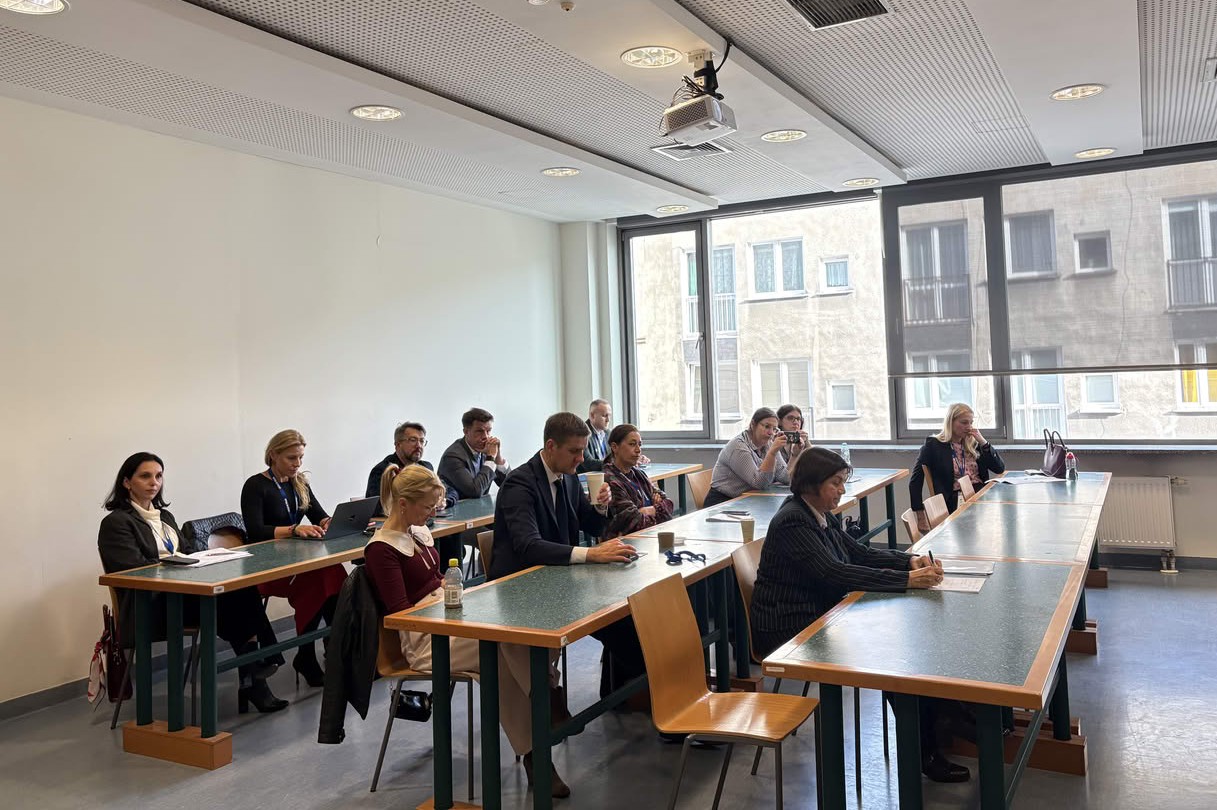
Former IPSA EC member Emilia Palonen chaired the Political Media Exposure and Digital Mobilization panel.