Theme
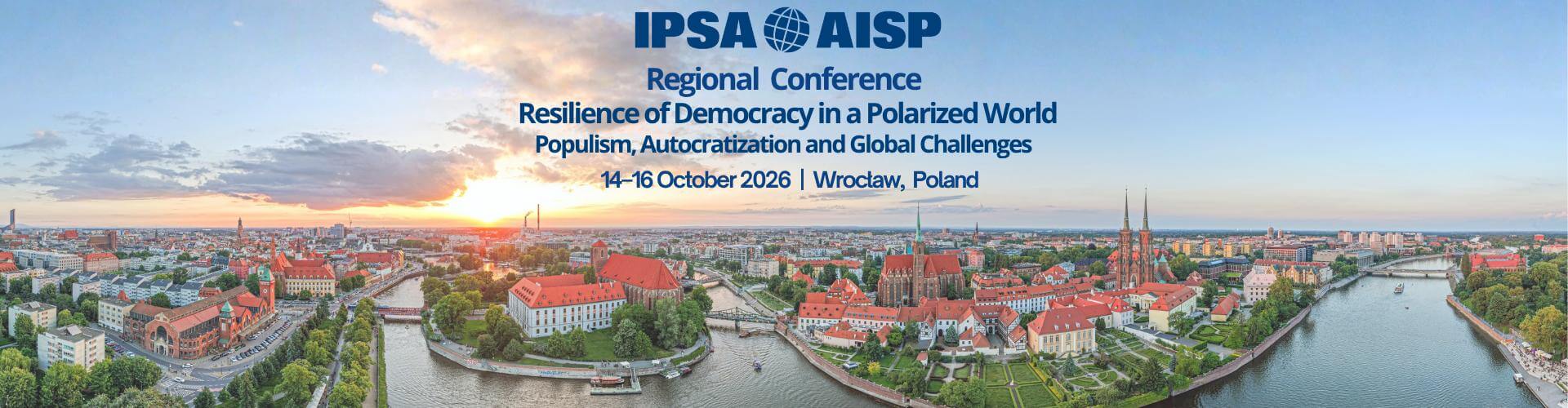
Resilience of Democracy in a Polarized World: Populism, Autocratization, and Global Challenges
Processes of democratic erosion, autocratization, and intensifying political polarization constitute some of the most consequential developments in contemporary politics. While the late twentieth century was widely characterized by successive waves of democratization, the early 21st century has witnessed a growing number of cases in which democratic institutions are weakened from within, executive authority is expanded, and the core principles of liberal democracy are increasingly contested.
These dynamics are closely intertwined with the rise of populist actors, the radicalization of political discourse, declining levels of trust in political institutions, and the strategic use of elections, media, and legal frameworks for partisan purposes. At the same time, such transformations unfold against the backdrop of profound global changes, including economic volatility, rapid technological innovation, climate change, large-scale migration, pandemics, and shifting security environments. Together, these developments reshape both the capacities of states and the expectations of citizens.
Yet democracy has not disappeared. Across different political systems, societies and institutions continue to develop mechanisms of adaptation, resistance, and renewal. The concept of democratic resilience directs analytical attention to the capacity of political systems to withstand pressures, respond to crises, and reconfigure democratic practices under adverse conditions. Explaining variation in democratic resilience—why democracy proves durable in some contexts and vulnerable in others - represents one of the central challenges for contemporary political science.
Importantly, contemporary democracies operate under conditions of overlapping and mutually reinforcing global pressures. Political responses to war and geopolitical instability, environmental degradation, economic shocks, public health emergencies, and technological disruption shape not only public policy, but also patterns of political competition, narratives of responsibility and blame, and the perceived legitimacy of democratic governance. Such responses may either strengthen democratic resilience through inclusion, accountability, and cooperation, or accelerate autocratization through securitization, exclusion, and the concentration of power.
Organizing a three-day regional conference in Poland in October 2026, convened in cooperation with the International Political Science Association (IPSA), the Polish Political Science Association (PPSA), and the Faculty of Social Sciences at the University of Wrocław, is therefore of particular relevance.
The conference will be a fully in-person event. No virtual component will be available.
The conference invites paper and panel proposals that examine democratic resilience, erosion, and transformation from theoretical, empirical, and comparative perspectives. Contributions addressing any region or time period are welcome, including both single-case studies and cross-national analyses, within the following thematic areas:
1. Threats and Erosions
Track Chairs: Elisa Chelle, Magdalena Musiał-Karg
Domestic and Global Autocratization
Democratic Erosion and Institutional Resilience
Populism, Polarization, and Party Realignment
Corruption, Trust, and Democratic Legitimacy
Judicial Independence, Judicialisation of Politics, and the Rule of Law
Electoral Integrity and Strategic Manipulation
2. Information, Media, and Technology
Track Chairs: Elisa Chelle, Luís de Sousa
Media, Disinformation, and Democratic Accountability
Digital Authoritarianism and Surveillance Politics
Virtual Public Spheres and Online Deliberation
AI and Governance
3. Citizenship, Participation, and Identity
Track Chairs: Laurence Piper, Hasret Dikici Bilgin
Civil Society and Grassroots Mobilization
Social Movements and Democratic Renewal
Youth Politics and Digital Participation
Civic Education and Democratic Citizenship
Nationalism, Identity, and Democratic Cohesion
4. Institutional and Policy Innovations
Track Chairs: Luís de Sousa, Piotr Sula
Participatory and Institutional Innovations
Clientelism and Accountability Mechanisms
Economic Crises and Inequalities
Digital Democracy
Political Parties and Electoral Reform
5. Global and Environmental Challenges
Track Chair: Hasret Dikici Bilgin
War, Securitization, and Democratic Order
Governing Global Challenges after Multilateralism
Climate Governance and Collective Leadership
Migration and Multi-level Policy-making
Traditional and Non-traditional Security Issues
Program Committee
- Yuko Kasuya (Co-Chair)
IPSA President, Professor of political science at Waseda University (Tokyo, Japan) - Magdalena Musiał-Karg (Co-Chair)
IPSA Vice-President, President of the Polish Political Science Association (PPSA), Professor of political science at Adam Mickiewicz University (Poznań, Poland) - Hasret Dikici Bilgin
IPSA President-Elect, Professor of political science at Istanbul Bilgi University (Istanbul, Türkiye) - Elisa Chelle
IPSA Executive Committee member, Professor of political science at Université Paris Nanterre (France) - Laurence Piper
IPSA Executive Committee member, Professor of political science at University West (Sweden) and the University of the Western Cape (South Africa) - Magdalena Ratajczak
Dean of the Faculty of Social Sciences and Professor of political science at the Institute of International and Security Studies at University of Wrocław (Wrocław, Poland) - Luís de Sousa
IPSA Executive Committee member, Principal researcher at the Instituto de Ciências Sociais da Universidade de Lisboa (Lisbon, Portugal) - Piotr Sula
Deputy Dean of the Faculty of Social Sciences, Associate Professor of political science at the Institute of Political Science at the University of Wrocław (Wrocław, Poland)
Local Organizing Committee (LOC)
- Magdalena Musiał-Karg
IPSA Vice-President, President of the Polish Political Science Association (PPSA), Professor of political science at Adam Mickiewicz University (Poznań, Poland) - Magdalena Ratajczak
Dean of the Faculty of Social Sciences and Professor of political science at the Institute of International and Security Studies at University of Wrocław (Wrocław, Poland) - Piotr Sula
Deputy Dean of the Faculty of Social Sciences, Associate Professor of political science at the Institute of Political Science at the University of Wrocław (Wrocław, Poland) - Maciej Hartliński
Associate Professor of political science at the University of Warmia and Mazury (Olsztyn, Poland) - Izabela Kapsa
Associate Professor of political science at the Kazimierz Wielki University (Bydgoszcz, Poland) - Łukasza Zamęcki
Associate Professor at the University of Warsaw (Warsaw, Poland) - Michał Jacuński
Associate Professor of political science at the University of Wrocław (Wrocław, Poland) - Dawid Pieniężny
Ph.D. Assistant Professor, University of Wrocław (Wrocław, Poland) - Adam Szymański
Associate Professor at the University of Warsaw (Warsaw, Poland)
Key Dates
| 01 APR | Call for Proposals Opens (Papers and Closed Panels) |
| 13 MAY | Proposal Submission Deadline (Papers and Closed Panels) |
| 17 JUN | Proposal Acceptance/Rejection Notifications (sent by e-mail to the individual who submitted the proposal) |
| 22 JUN | Registration Opens |
| 05 AUG | Registration Deadline to Remain in the Program (Participants not registered are withdrawn from the Program) |
| 15 SEP | Final Registration Deadline |
| 30 SEP | Deadline to Submit (Upload) Full Paper |
| 14 - 16 OCT | Wrocław Conference |
Venues
Panels and Registration
University of Wrocław / Uniwersytet Wrocławski
Faculty of Law, Administration and Economics / Wydział Prawa, Administracji i Ekonomii (Building D)
Uniwersytecka 7/10, 50-145 Wrocław, Poland
Panels
Institute of Romance Languages / Instytut Filologii Romańskiej
plac Nankiera 4, 50-146 Wrocław, Poland
Welcome Reception | 14 October
The Town Hall
Sukiennice 14/15, 50-029 Wrocław
Oratorium Marianum (limited capacity)
plac Uniwersytecki 1, 50-137 Wrocław
Registration Fees
| Category | Fees (USD) |
| Regular Member - Country Groups A & B | $110 |
| Student Member - Country Groups A & B | $60 |
| Regular Member - Country Groups C & D | $50 |
| Student Member - Country Groups C & D | $20 |
| Non-Member Regular | $230 |
| Non-Member Student | $130 |
Refer to the list of countries by group.
Reduced registration fees were available to individual members of both the International Political Science Association (IPSA) and the Polish Political Science Association - Polskie Towarzystwo Nauk Politycznych (PTNP), as well as faculty members at the University of Wrocław.
Partners

Sponsor

Co-financed by the Municipality of Wrocław
Program and Highlights
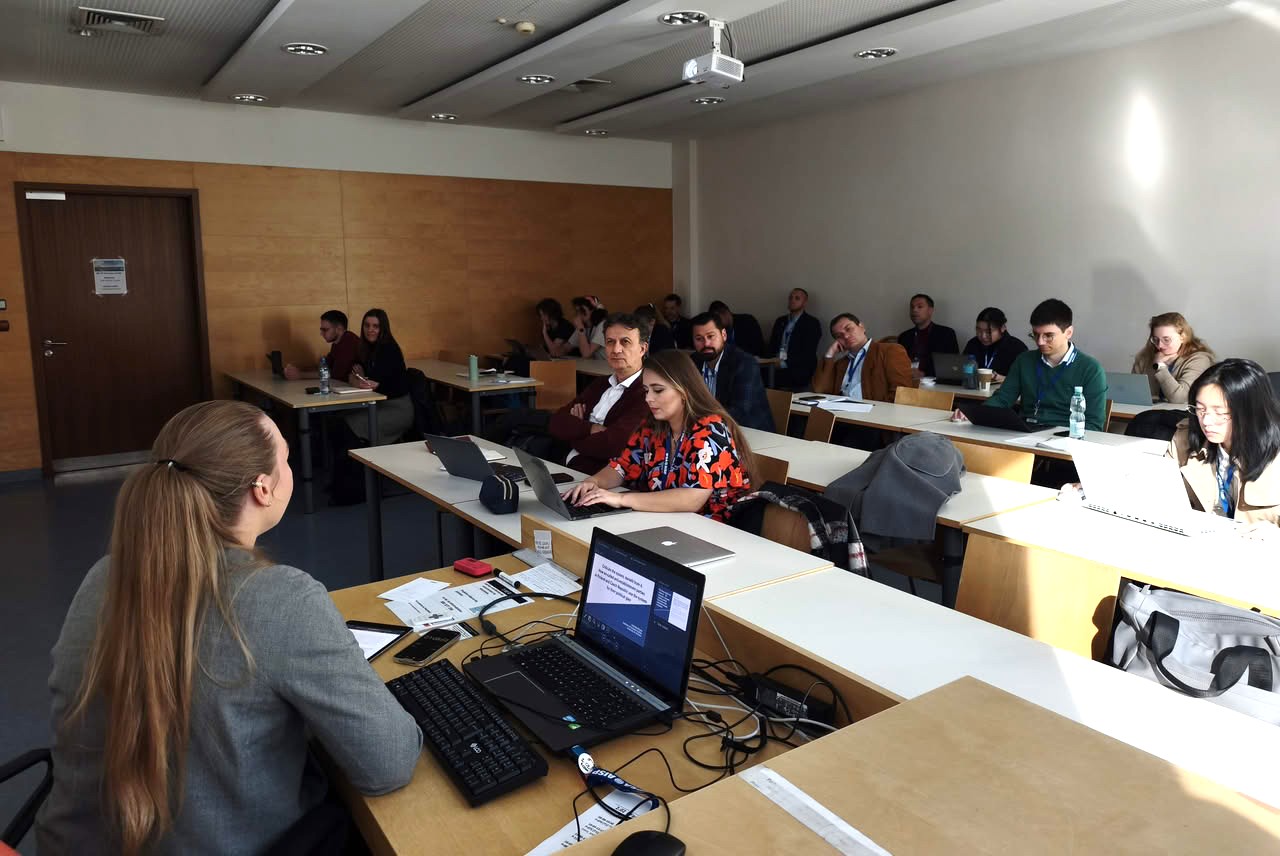
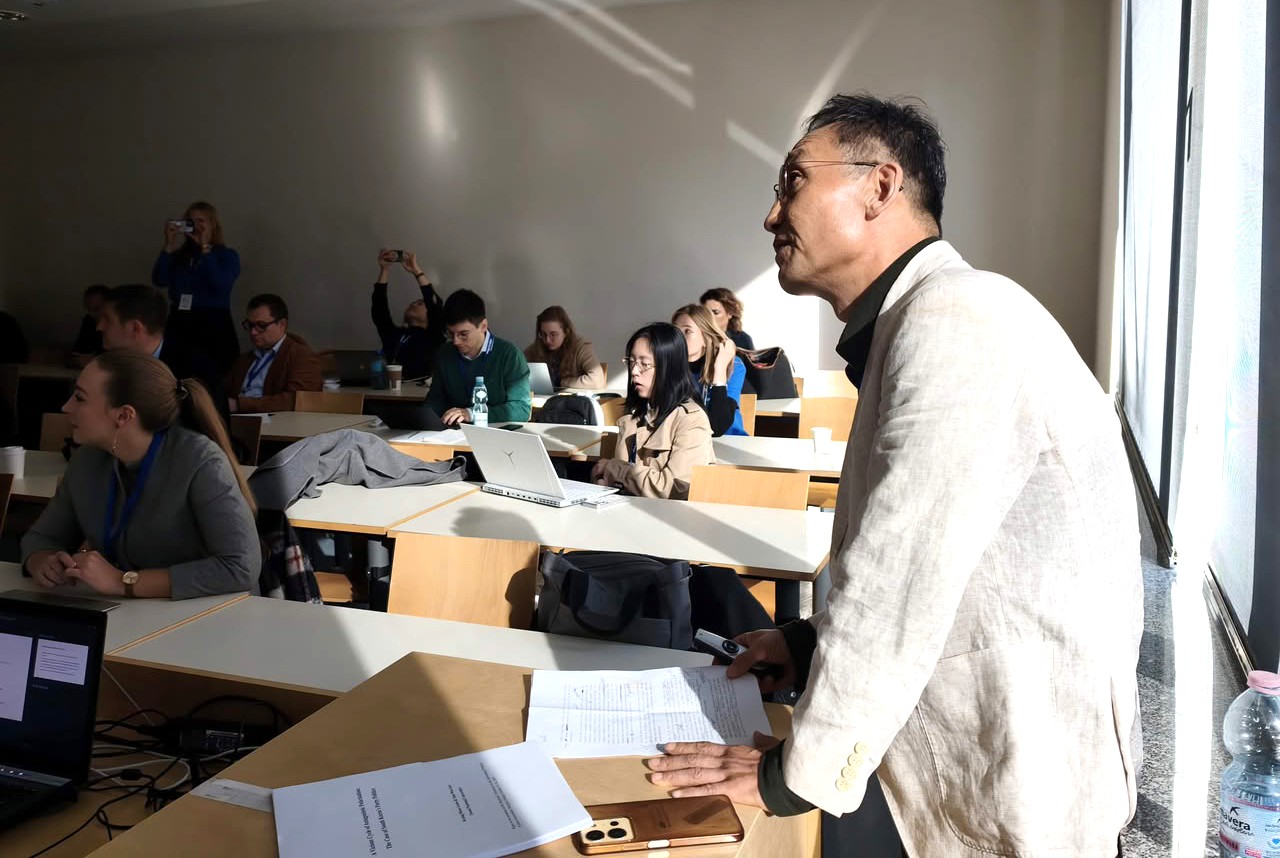
Focusing on the theme Resilience of Democracy in a Polarized World: Populism, Autocratization, and Global Challenges, the conference brought together 372 participants from 52 countries, including leading scholars, government and municipal officials, and members of the diplomatic corps.
The academic program featured:
- 300 papers presented across 87 panels
- 3 Local Organizing Committee (LOC) Roundtables
- Keynote Address by Prof. Manuela Caiani: "Dynamics of Far-Right Transnationalization in Europe"
Program
The Program (PDF document) is organized by date and time and includes the list of paper presentations or speakers in each panel.
Certificates of Participation
A certificate of participation has been issued to participants who attended the conference. Participants can download their electronic certificate (PDF format) by logging into their IPSA account and navigating to My IPSA, selecting My Events, and choosing Wrocław 2026.
Conference Photos
Selected conference photos are available on IPSA’s Flickr account.
Schedule Overview
Wednesday, 14 October 2026| 08:00 – 19:30
| ROOM | 2.02 Faculty of Law, Administration and Economics |
2.03 Faculty of Law, Administration and Economics |
2.04 Faculty of Law, Administration and Economics |
2.05 Faculty of Law, Administration and Economics |
2.2 Institute of Romance Languages |
2.4 Institute of Romance Languages |
2.5 Institute of Romance Languages |
| 08:00 – 19:00 | Registration | ||||||
| 09:00 - 10:30 | P-063 [T1] Hollow Institutions: Capture, Constraint, and the Limits of Democratic Form | P-080 [T2] Political Media Exposure and Digital Mobilization | P-093 [T3] Polarization and Political Participation | P-112 [T5] Growth, Degrowth and the Political Economy of Sustainability | |||
| 10:30 - 10:45 | Break | ||||||
| 10:45 - 12:15 | P-061 [T1] From Discontent to Politics: Economic Shock, Affect, and Delivery | P-108 [T5] Diplomacy Challenges and the War in Ukraine | P-059 [T1] Elected Autocrats: Populist Governance and the Undoing of Constraint | P-115 [T5] Populism, War, and Democratic Backsliding in Europe | P-034 [T5] Contested Solidarity: Global Responses, Strategic Ambiguities, and the Future of International Order after Russia’s War against Ukraine | P-109 [T5] Environmental and Energy Governance in India | P-011 [T1] Democratic Resilience and the Stability of Political Systems |
| 12:15 - 13:15 | Lunch Break | ||||||
| 13:15 - 14:45 | P-095 [T3] Populism, Polarization and Democratic Decline | R-049 [T6] LOC | Media, dezinformacja i technologie cyfrowe w polskiej sferze publicznej | P-089 [T3] Democratic Resilience and Decline in International Context | P-120 [T5] Sovereignty and Environmental Governance in the Global South | P-077 [T2] Digital Surveillance, Platform Power, and Democratic Authority | P-103 [T4] Digital Transformation and Local Democracy | |
| 14:45 - 15:00 | Break | ||||||
| 15:00 - 16:30 | P-097 [T3] The Contentious Repertoire in Comparative Perspective | R-047 [T6] LOC | Odporność demokracji w Polsce w warunkach polaryzacji i presji populistycznej | P-105 [T4] Party Organization and Internal Dynamics | P-085 [T3] Civic Education and Democratic Citizenship | P-056 [T1] Constructing the People: Discourse, Epistemics, and Contested Legitimacy | P-074 [T1] Whose Bodies, Whose Democracy? Gender Regimes and Institutional Failure | |
| 16:30 - 16:45 | Break | ||||||
| 16:45 - 18:15 | Opening Ceremony and Keynote Speaker - Manuela Caiani "Dynamics of Far-Right Transnationalization in Europe" Lecture Hall | Faculty of Law, Administration and Economics |
||||||
| 18:30 - 19:30 | Welcome Reception The Town Hall & Oratorium Marianum |
||||||
Thursday, 15 October 2026| 08:30 – 18:15
| ROOM | 2.02 Faculty of Law, Administration and Economics |
2.03 Faculty of Law, Administration and Economics |
2.04 Faculty of Law, Administration and Economics |
2.05 Faculty of Law, Administration and Economics |
2.2 Institute of Romance Languages |
2.4 Institute of Romance Languages |
2.5 Institute of Romance Languages |
| 08:30 – 17:00 | Registration | ||||||
| 09:00 - 10:30 | P-072 [T1] What Citizens Will Trade: Evidence on Democratic Commitment | P-021 [T6] LOC | Democratic Resilience and Processes of Autocratization in Central and Eastern Europe and Beyond - I. Political Trust, Distrust and Conspiracies [CEPSA] | P-036 [T3] Forms and Limitations of Participation | P-064 [T1] Is Populism a Style? Measurement, Framing, and the Corrosion of Reason | P-091 [T3] Minorities and Diasporas in Nationalist Politics | P-121 [T5] Structural Power and Dependency in the Green Transition | P-113 [T5] Limits of Peace-building and Security Cooperation |
| 10:30 - 10:45 | Break | ||||||
| 10:45 - 12:15 | P-028 [T1] Populism, Polarization, Autocratization and Democratic Resilience | P-022 [T6] LOC | Democratic Resilience and Processes of Autocratization in Central and Eastern Europe and Beyond - II. Democratic Resiliance, Innovations and Populism [CEPSA] | P-039 [T1] New Approaches to Authoritarian Appeal, Illiberal Hegemony and Their Challenges from Transnational Networks to Hungarian and European Politics | P-094 [T3] Political Polarization and Ideological Consolidation | P-092 [T3] Opportunity Structures and Democratic Resilience | P-114 [T5] Political Economy of War and Defense | P-119 [T5] Security, Peace and Conflict in the Middle East |
| 12:15 - 13:15 | Lunch Break | ||||||
| 13:15 - 14:45 | P-088 [T3] Democratic Resilience and Breakdown | R-048 [T6] LOC | Polska wobec kryzysów porządku międzynarodowego i europejskiego | P-101 [T4] Comparative and Global Governance | P-069 [T1] The Captured State: Violence, Patronage, and the Currencies of Corruption | P-068 [T1] Speaking in the Name of Civilization: Belonging, Hierarchy, and the Limits of Universalism | P-104 [T4] Elections, Opposition and Political Contestation | P-098 [T3] Young People, Democratic Disillusion and Disengagement |
| 14:45 - 15:00 | Break | ||||||
| 15:00 - 16:30 | P-081 [T2] Standards, Metrics, and Frames in Digital Politics | P-023 [T4] European Policymaking in the Multi-Level System: Domestic Foundations and Governance Dynamics | P-090 [T3] Digitalization and Political Consciousness | P-058 [T1] Democracy from Below: Performance, Resistance, and Renewal | P-051 [T1] International Sources of Erosion | P-073 [T1] Who Governs Difference? Courts, Councils, and Local Power | P-106 [T5] Climate Challenges: Humanitarian and Political Aspects |
| 16:30 - 16:45 | Break | ||||||
| 16:45 - 18:15 | P-096 [T3] Prospects and Limits of Institutions in Democratization | P-027 [T4] European Governance in the Multi-Level System: Actors, Coordination, and Policy Dynamics | P-076 [T2] Digital Governance, Inequality, and Democratic Legitimacy | P-102 [T4] Designing and Scaling Democratic Innovations | P-057 [T1] Contesting Cooperation: Sovereigntist Networks, Populist Entrepreneurs, and the European Order | P-044 [T1] Resilience at the Local and Global Level: Challenges and Management Instruments in Times of Crisis | P-026 [T1] Comparative Perspectives on Democratic Resilience in Government Organizations |
Friday, 16 October 2026| 08:30 – 19:00
| ROOM | 2.02 Faculty of Law, Administration and Economics |
2.03 Faculty of Law, Administration and Economics |
2.04 Faculty of Law, Administration and Economics |
2.05 Faculty of Law, Administration and Economics |
2.2 Institute of Romance Languages |
2.4 Institute of Romance Languages |
2.5 Institute of Romance Languages |
| 08:30 - 18:30 | Registration | ||||||
| 09:00 - 10:30 | P-070 [T1] The Trust Deficit: Why Formal Access Fails to Persuade | P-082 [T2] State Communication, Information Resilience, and Media Power | P-117 [T5] Security and Alliance Politics Under Recent Challenges | P-099 [T3] Youth and Anti-democratic Politics | P-071 [T1] Thresholds of Tolerance: Publics, Regions, and Institutions Facing Illiberalism | P-079 [T2] Disinformation, Fact-Checking, and Contested Political Truths | |
| 10:30 - 10:45 | Break | ||||||
| 10:45 - 12:15 | P-075 [T1] Working the System: How Parties Shape Parliaments, Careers, and Local Power | P-084 [T3] Cities and Citizenship | P-107 [T5] Contemporary Issues in Climate Governance | P-031 [T5] International Strategies of Autocracies in a Polarized World | P-055 [T1] Constitutional Courts between Democratic Erosion and Resilience | P-053 [T1] Beyond Ideology: Emotion, Expertise, and Delivery in Populist Politics | |
| 12:15 - 13:15 | Lunch Break | ||||||
| 13:15 - 14:45 | P-086 [T3] Civil Society and Grassroots Politics | P-065 [T1] Manufacturing Consent: Concepts, Myths, and Conspiracies | P-110 [T5] Gender, Migration and Climate Justice in the Global South | P-033 [T5] War, Authoritarian Resilience and Political Contestation in the Contemporary Middle East | P-067 [T1] Polarization and the Foundations of Democratic Cooperation | P-078 [T2] Digital Visibility, Electoral Communication, and Democratic Resilience | |
| 14:45 - 15:00 | Break | ||||||
| 15:00 - 16:30 | P-118 [T5] Security and Diplomacy in Asia-Pacific | P-087 [T3] Civil Society and Hegemonic Struggle | P-054 [T1] Competition Under Strain: Measuring, Manipulating, and Surviving Elections | P-111 [T5] Governance and Humanitarian Crises | P-060 [T1] Executive Aggrandisement by Legal Means: Decrees, Doctrines, and Constitutional Redesign | P-038 [T5] Democratic Cohesion, Sovereignty, and Security: Regionalisation Beyond Territory in the Contemporary Anglosphere | P-020 [T4] The Roles and Influence of Heads of State: A Case Study Approach |
| 16:30 - 16:45 | Break | ||||||
| 16:45 - 18:15 | P-083 [T3] Avenues of Democratic Resilience Beyond Elections | P-025 [T3] Bottom-up Mobilisation in a Consolidated Autocracy: Individual and Collective Voices of the 2020 Belarusian Protests | P-052 [T1] Between Partnership and Influence: External Actors and Domestic Political Trajectories | P-030 [T5] The Evolution of International Relations under the Presidency of Donald J. Trump | P-100 [T4] Coercion, Clientelism and Contested State Power | P-116 [T5] Regionalism, Security and Legitimation in Central Asia | P-050 [T1] Afterlives of Mobilization: Reform, Rupture, and Failure |
| 18:30 - 19:00 | Closing Ceremony Lecture Hall | Faculty of Law, Administration and Economics |
||||||
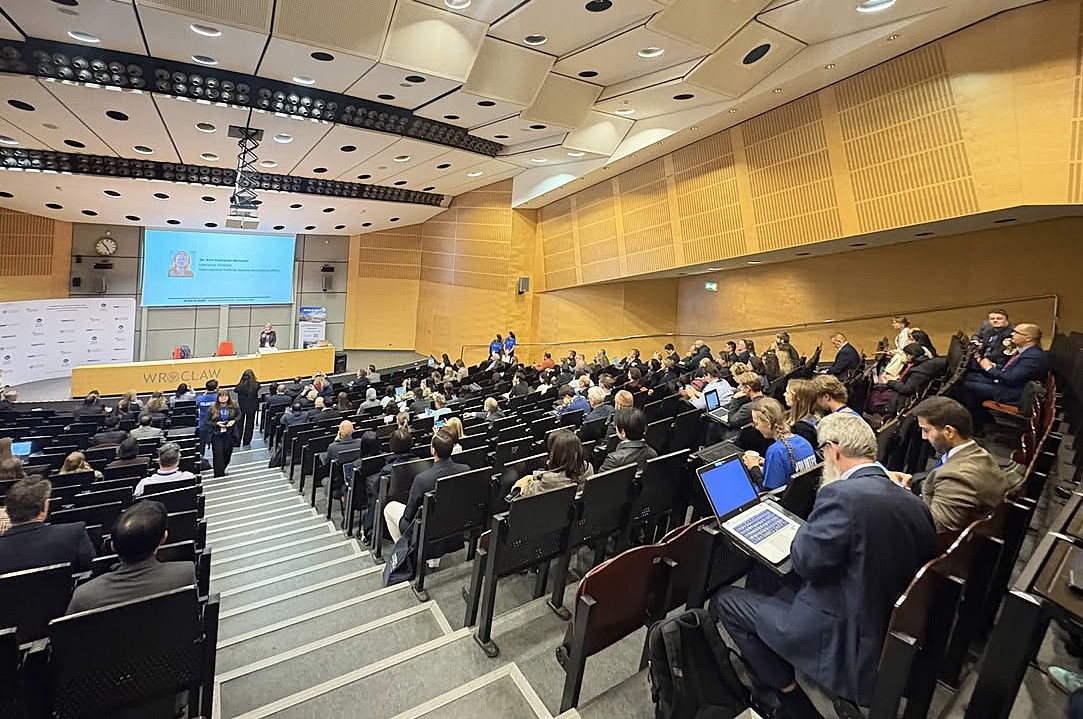
IPSA’s Regional Conference on the theme Resilience of Democracy in a Polarized World: Populism, Autocratization and Global Challenges kicked off on 14 October 2026 in collaboration with the Polish Political Science Association, the Faculty of Social Sciences at the University of Wrocław, and with the support of the Municipality of Wrocław. Verlag Barbara Budrich, Provaslis Research, and the No to Apathy Project also participated in the conference as exhibitors.
Opening Remarks
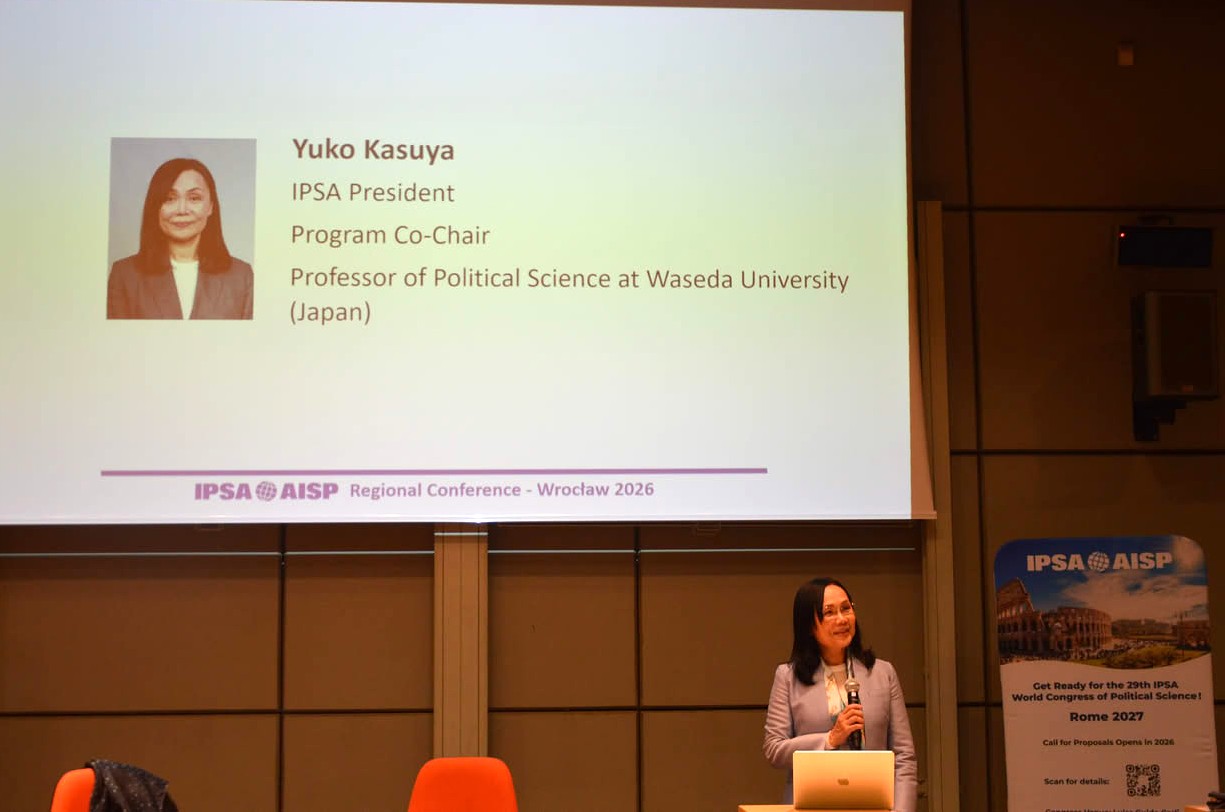
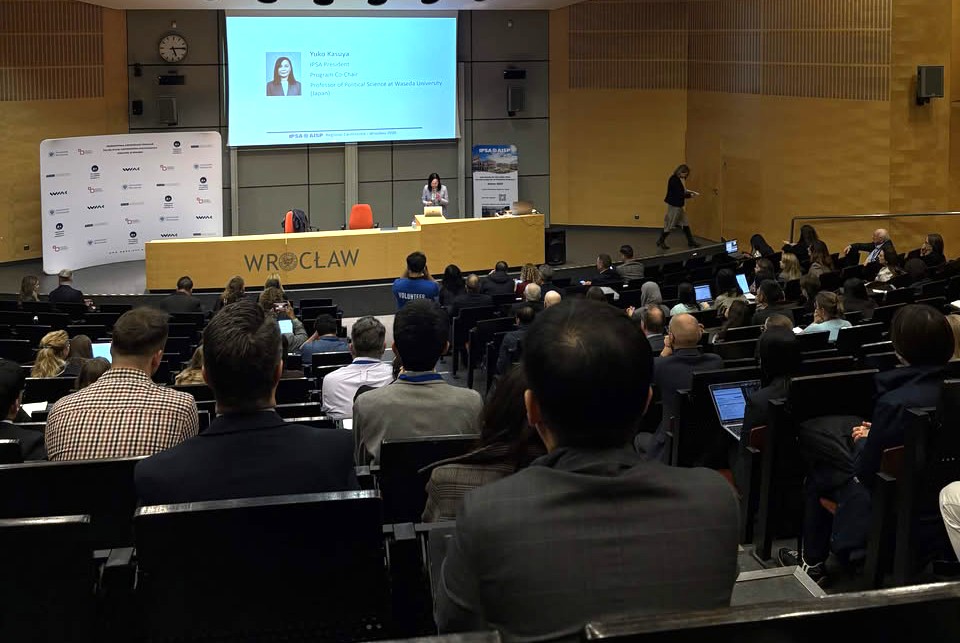
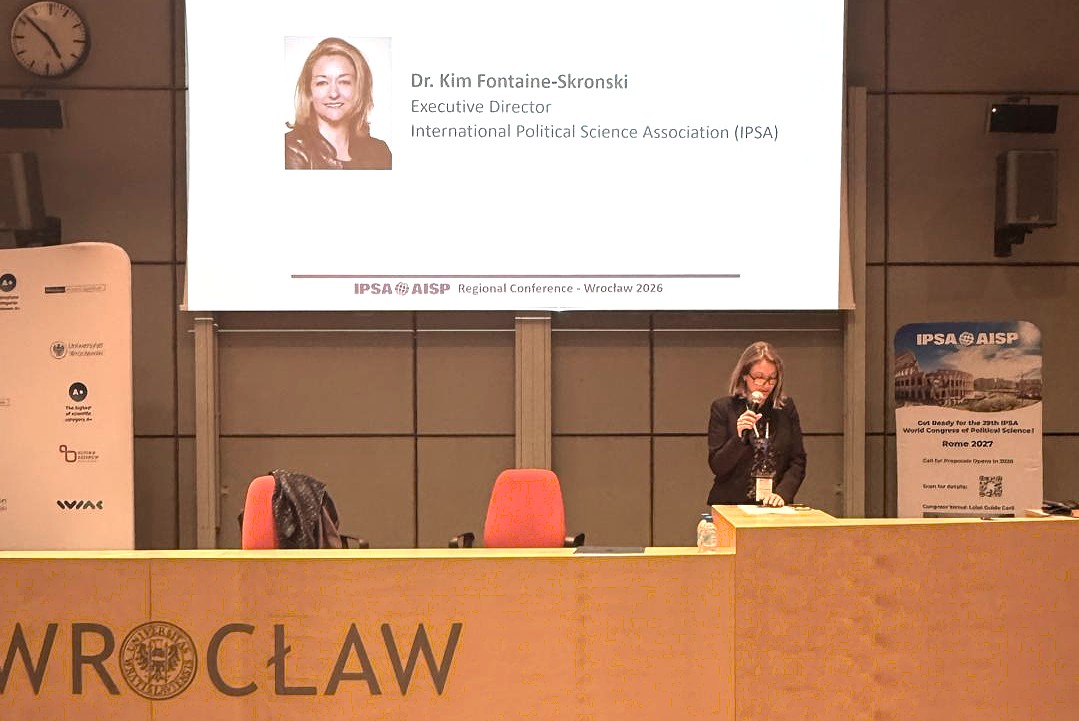
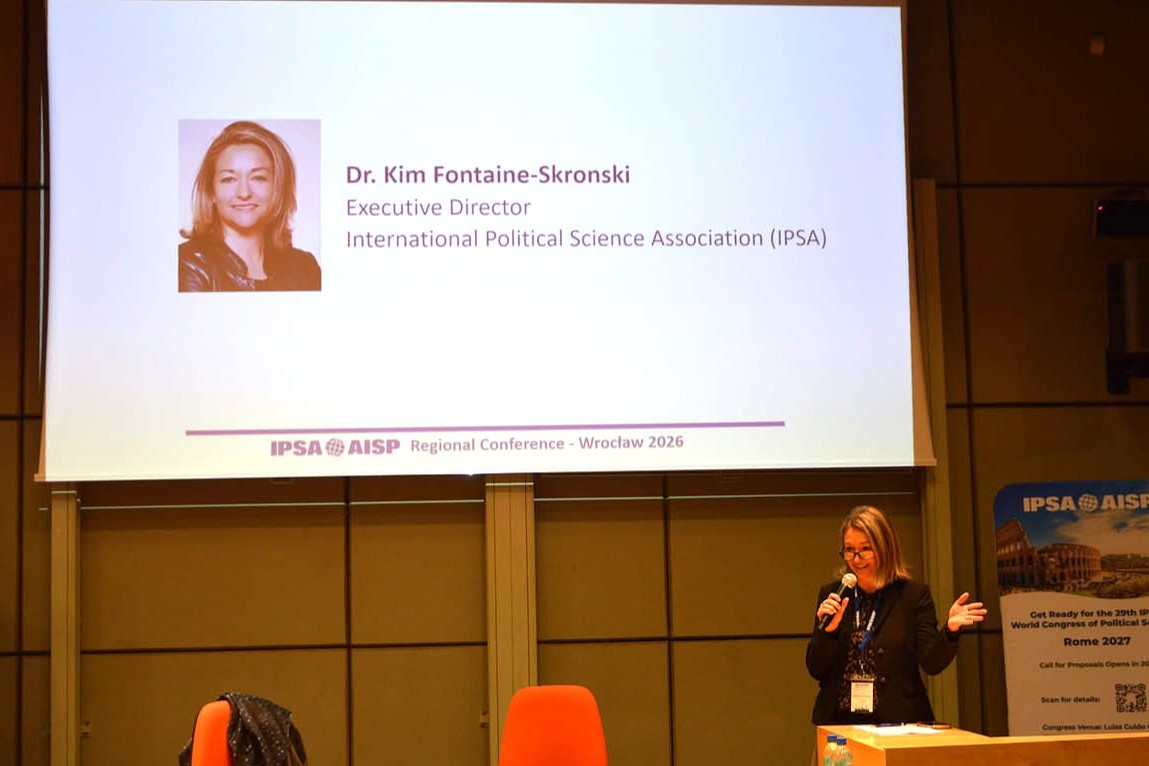
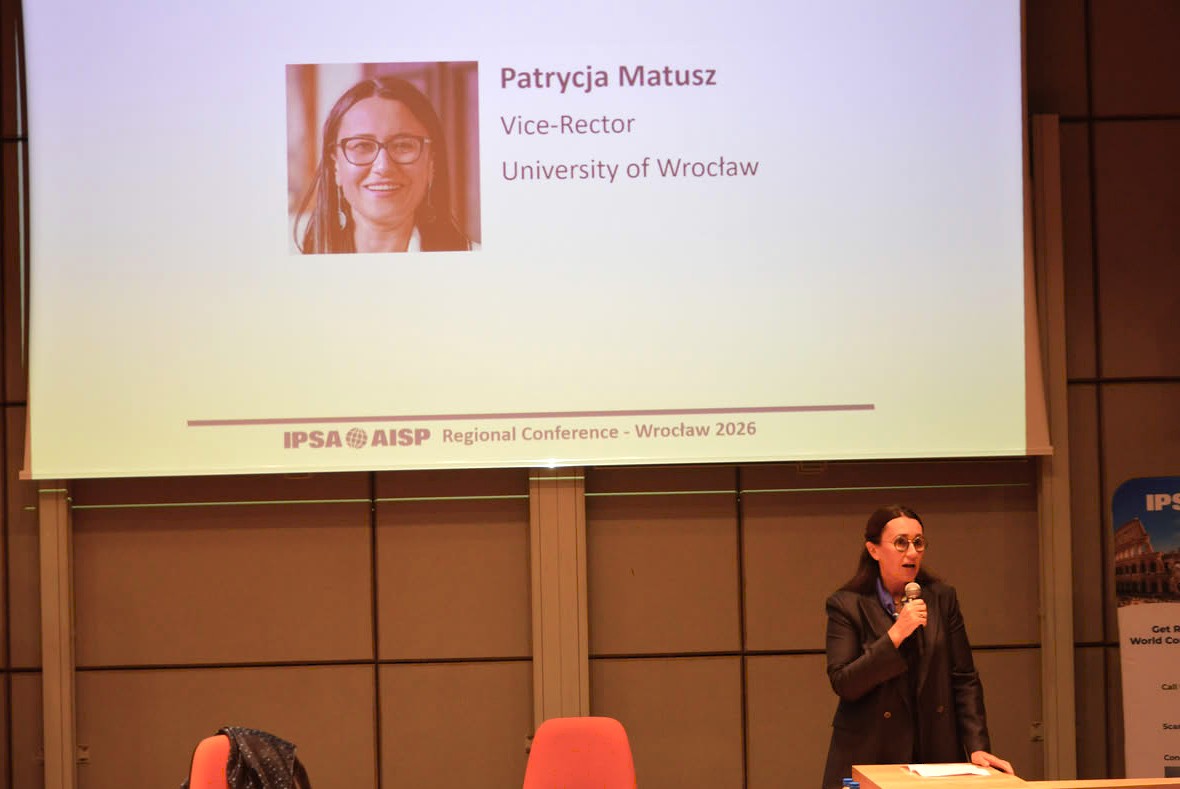
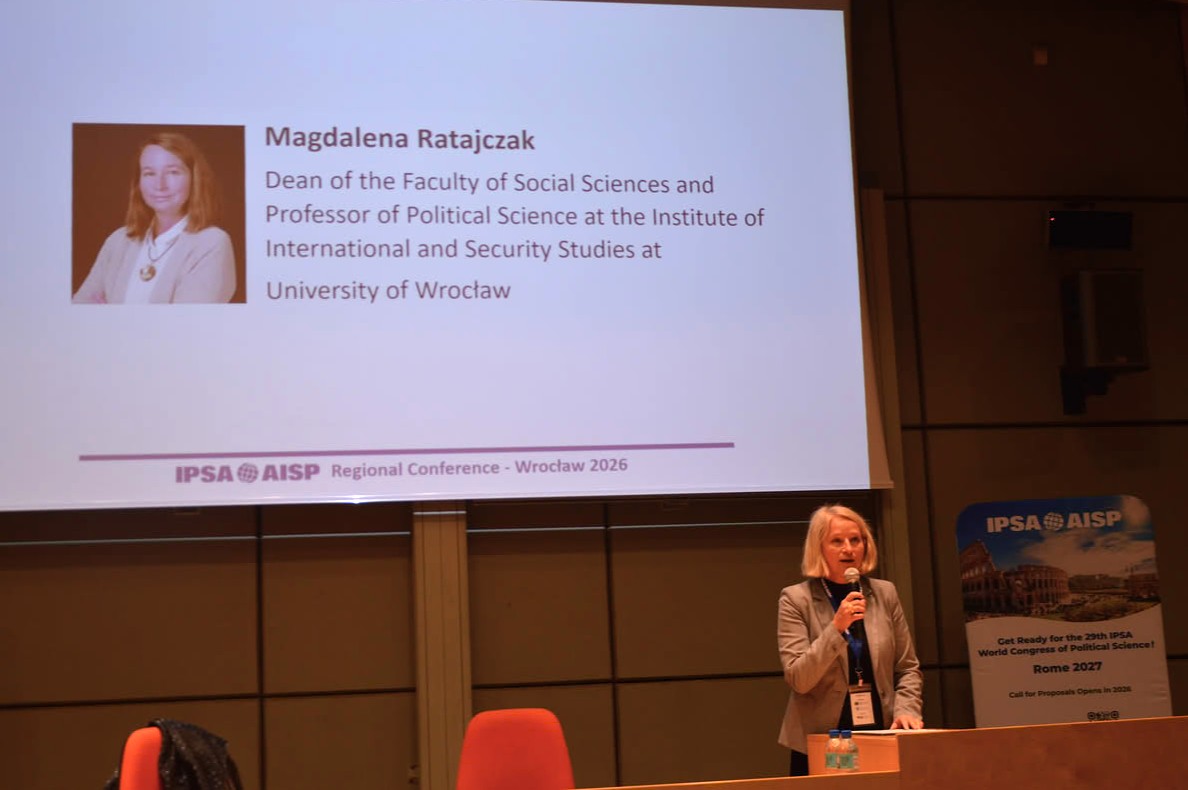
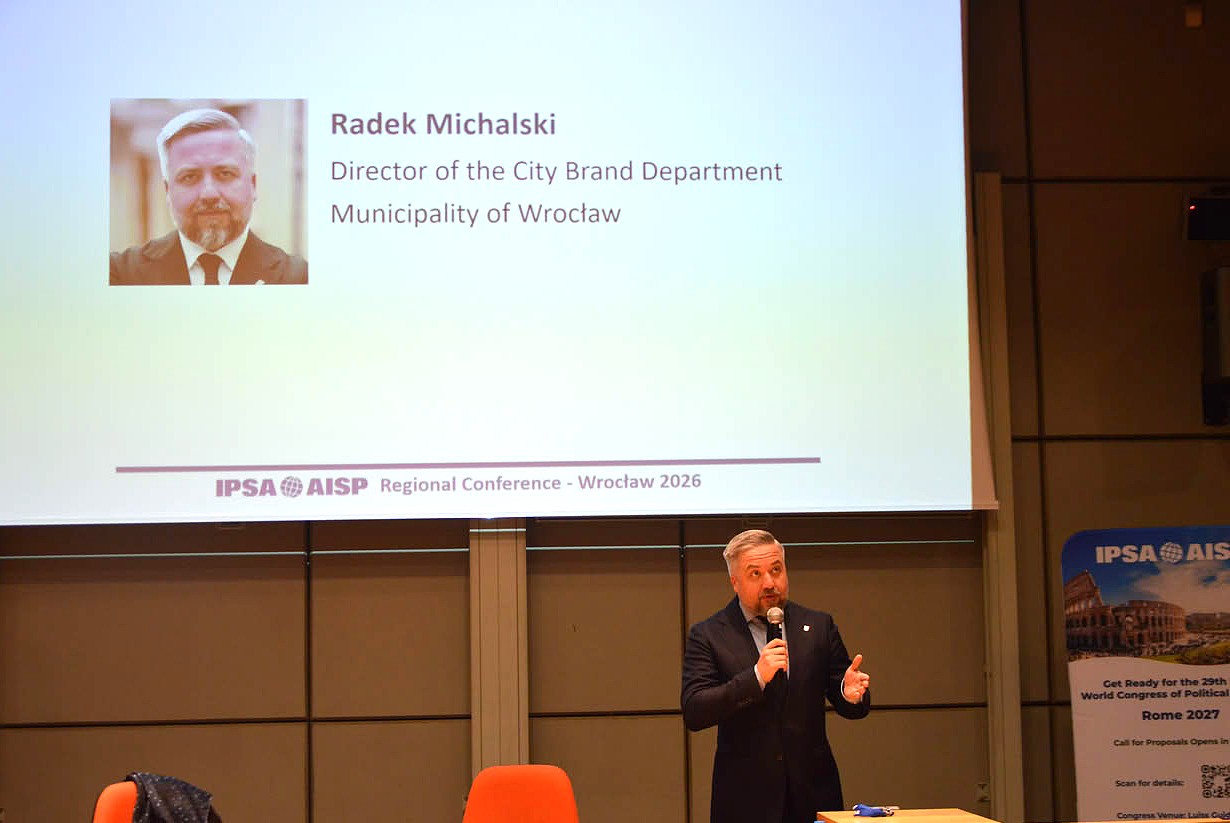
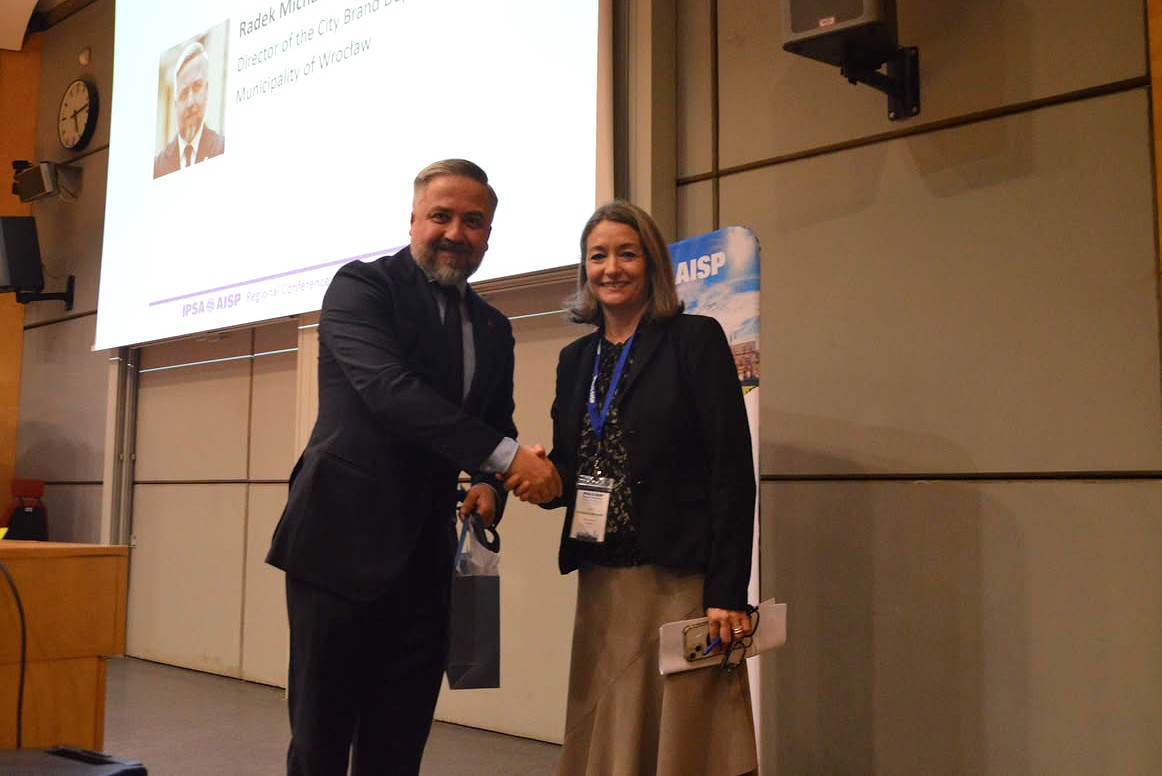
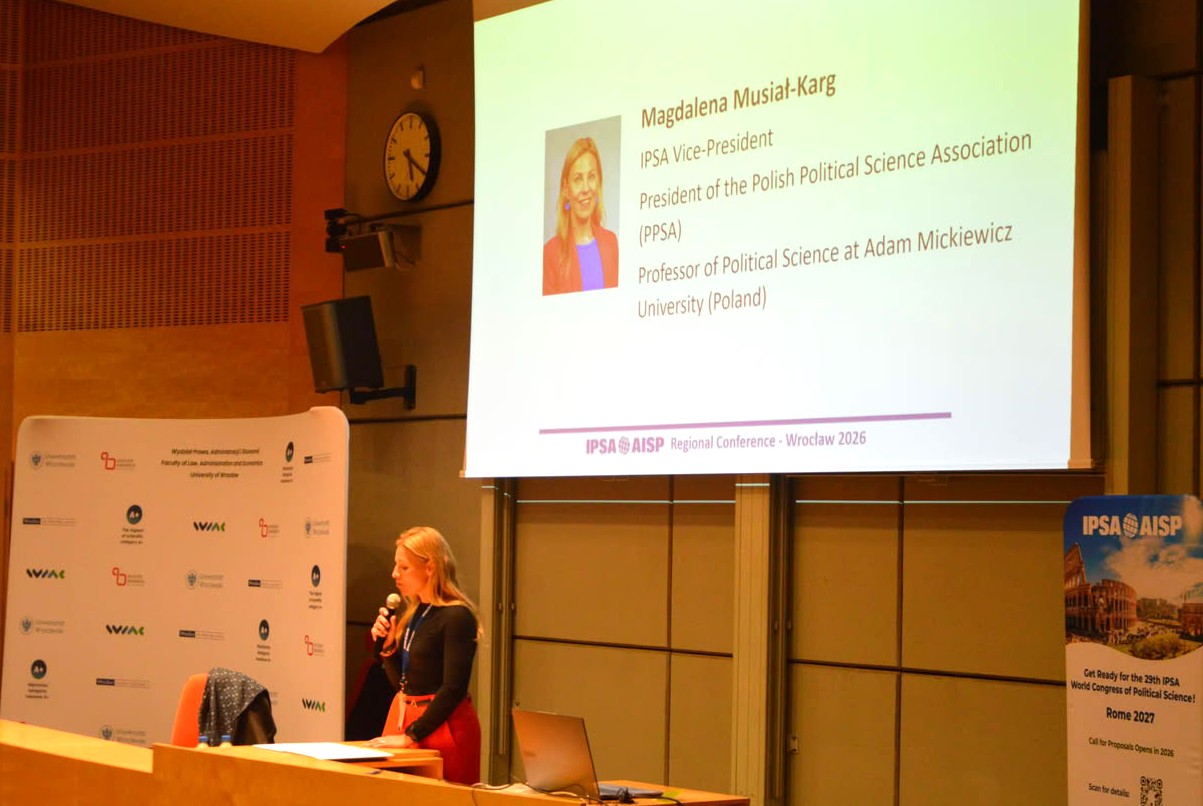
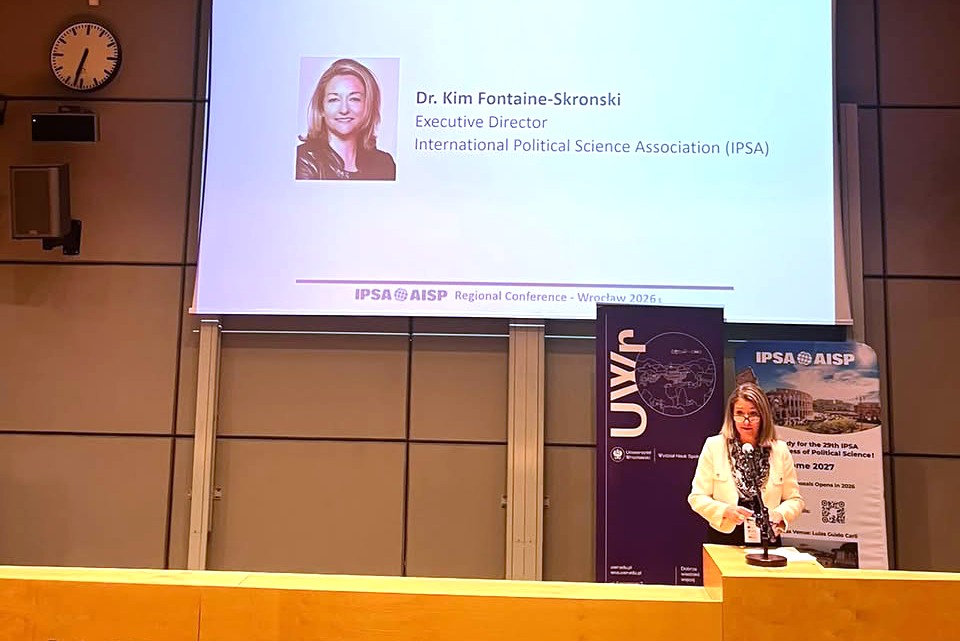
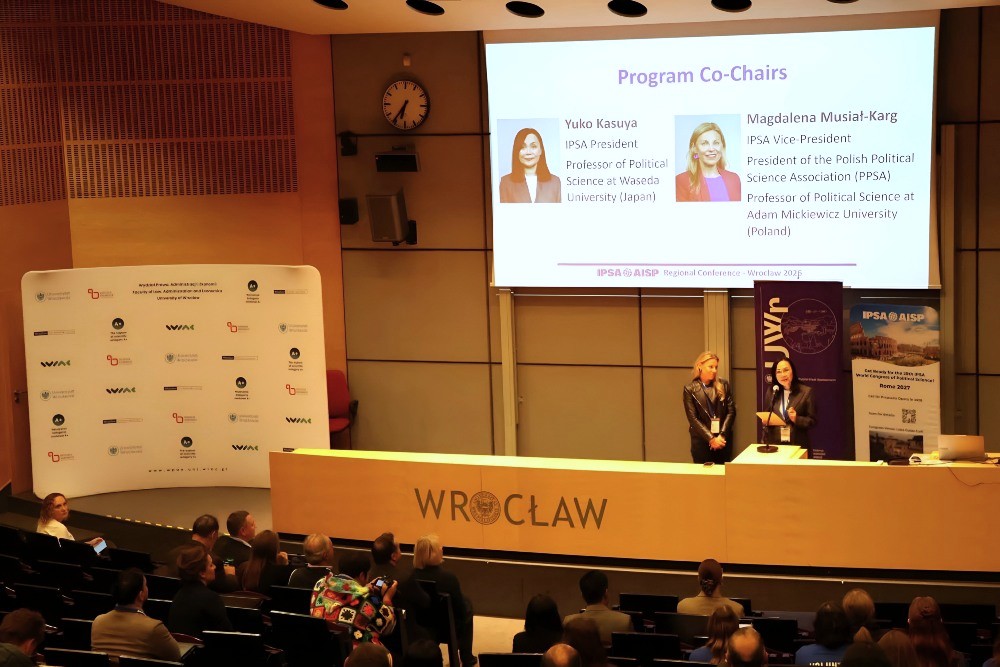
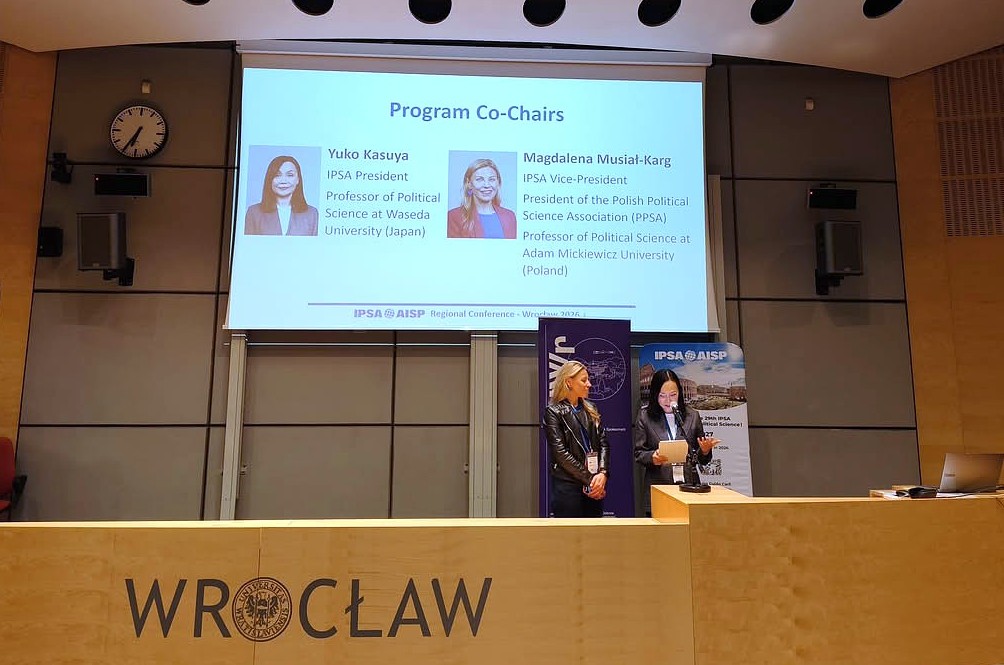
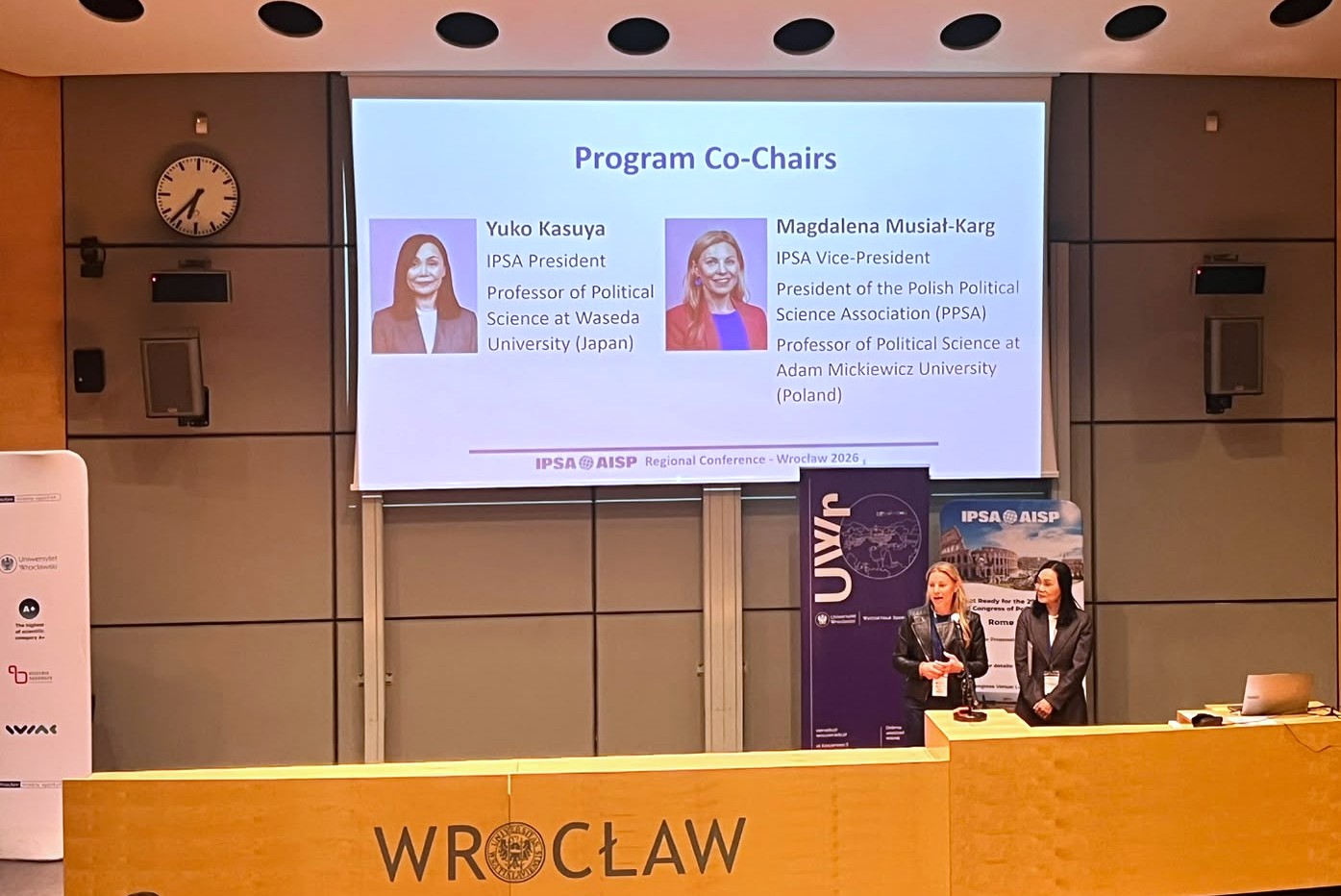
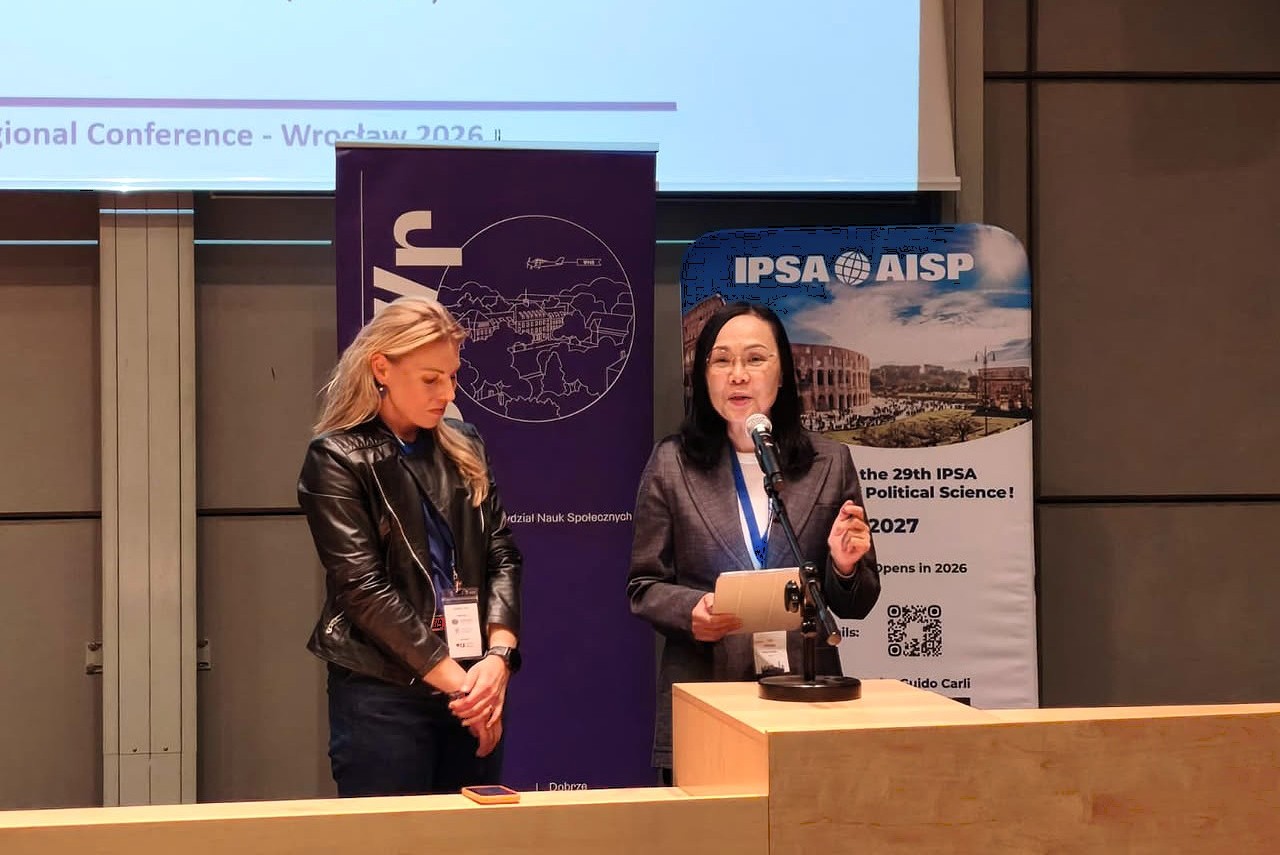
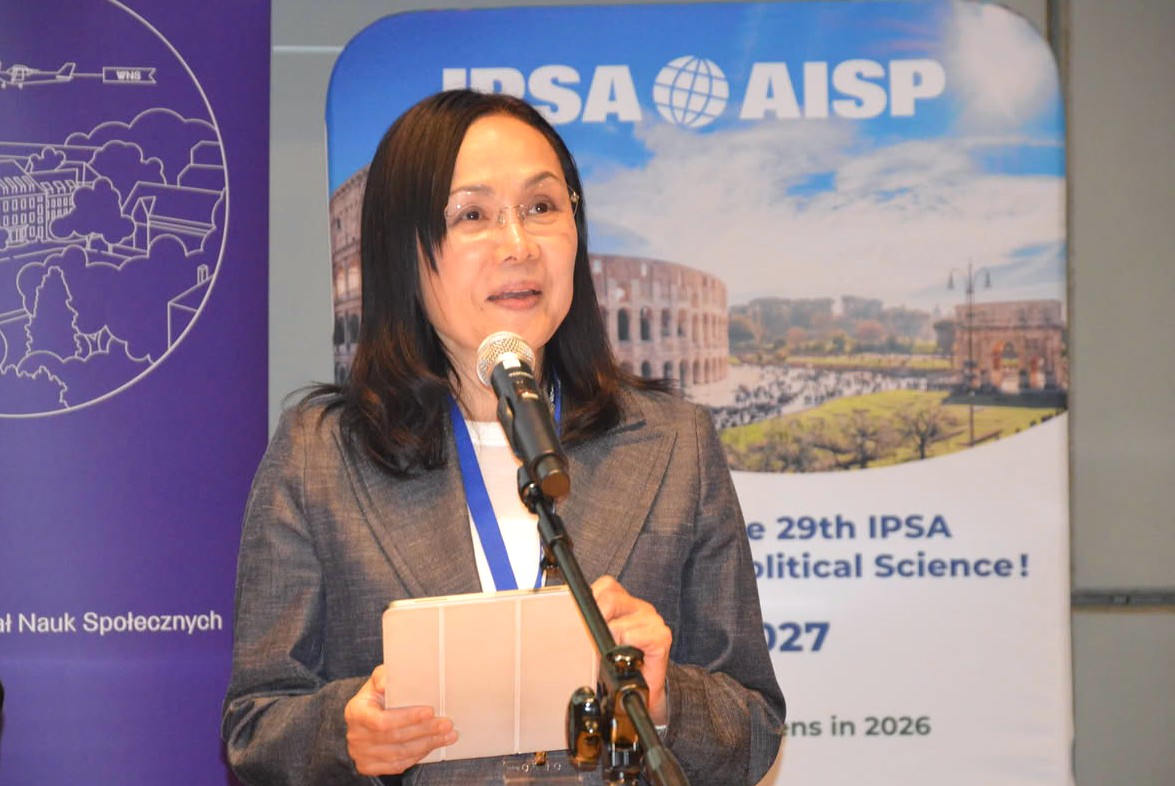
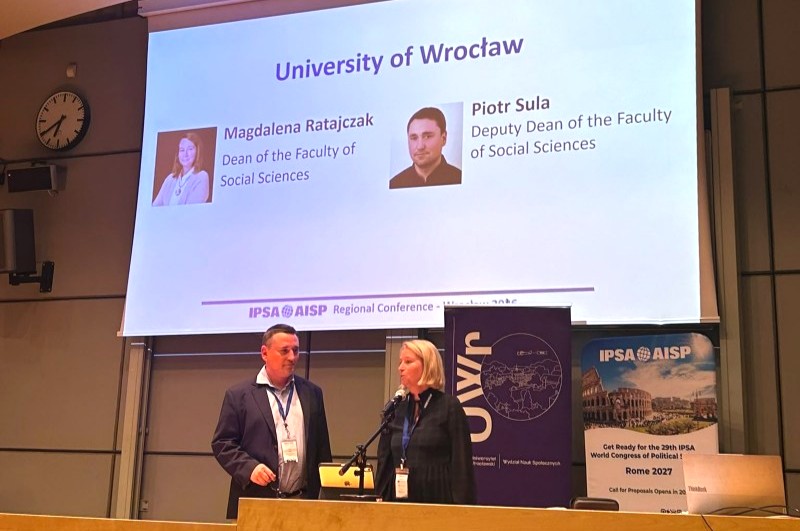
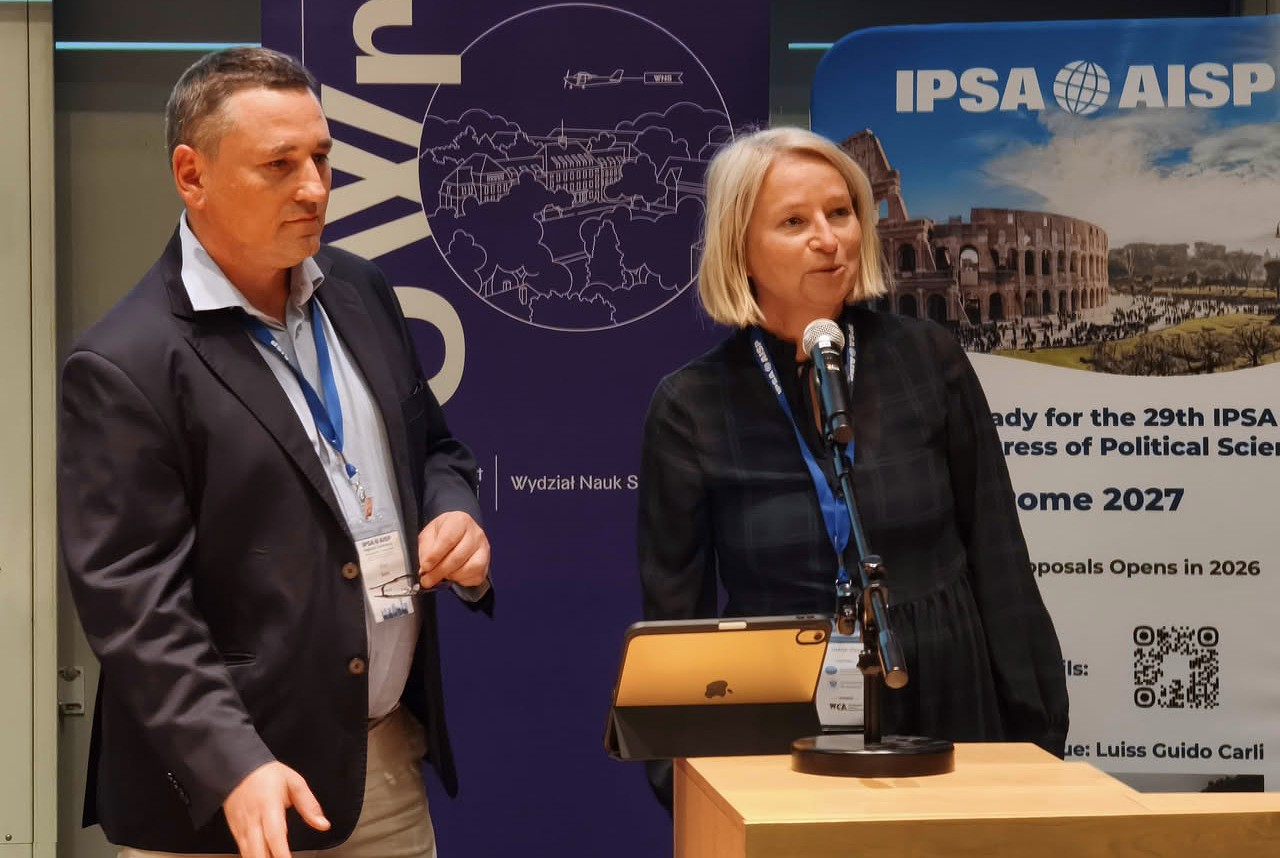
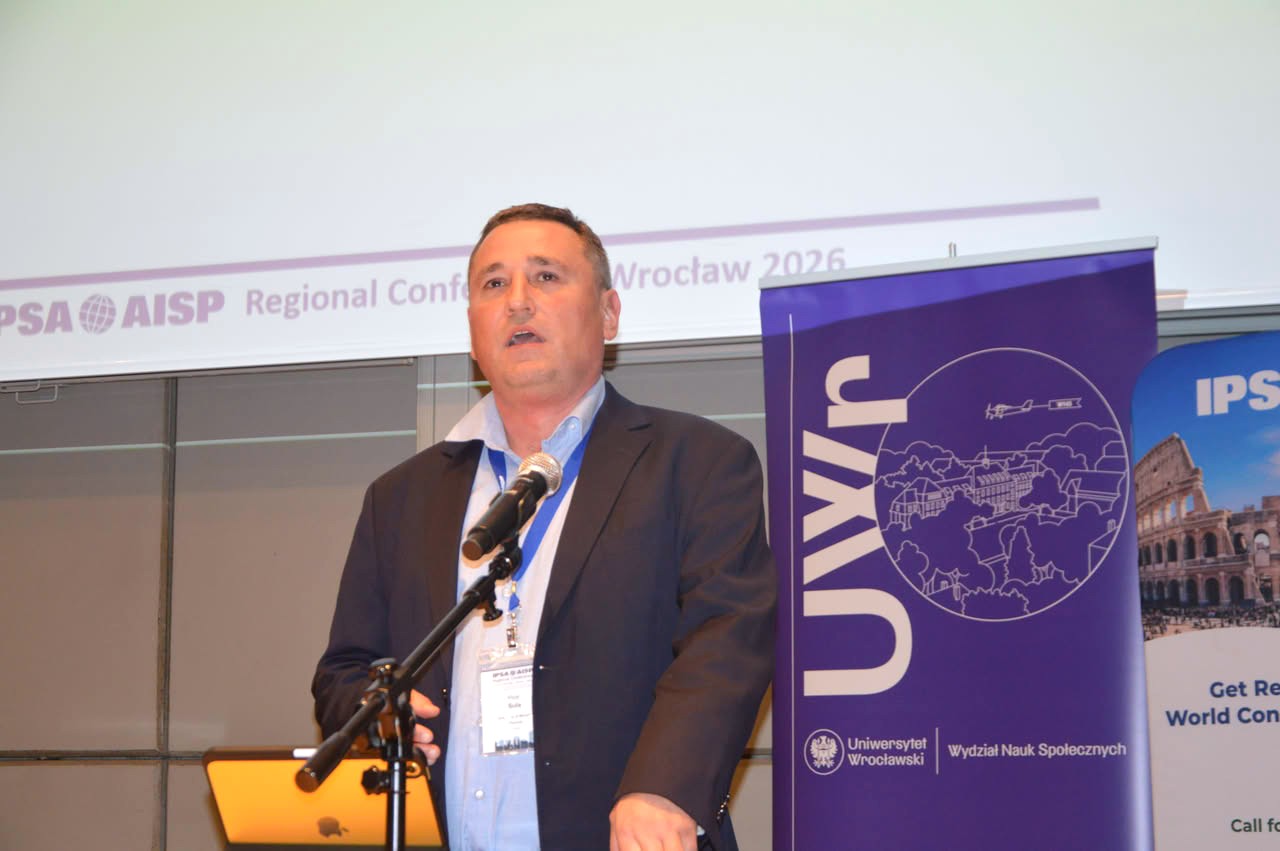
The Regional Conference officially began with opening remarks from Kim Fontaine-Skronski (Executive Director), Yuko Kasuya (IPSA President and Program Co-Chair), Magdalena Musiał-Karg (IPSA Vice-President and Program Co-Chair), Patrycja Matusz (Vice-Rector, University of Wrocław), Magdalena Ratajczak (Dean of the Faculty of Social Sciences, University of Wrocław), Radek Michalski (Director of the City Brand Department, Municipality of Wrocław). The speakers welcomed participants to Wrocław, highlighted the conference program and objectives and discussed the long-standing partnership between IPSA and the Polish Political Science Association.
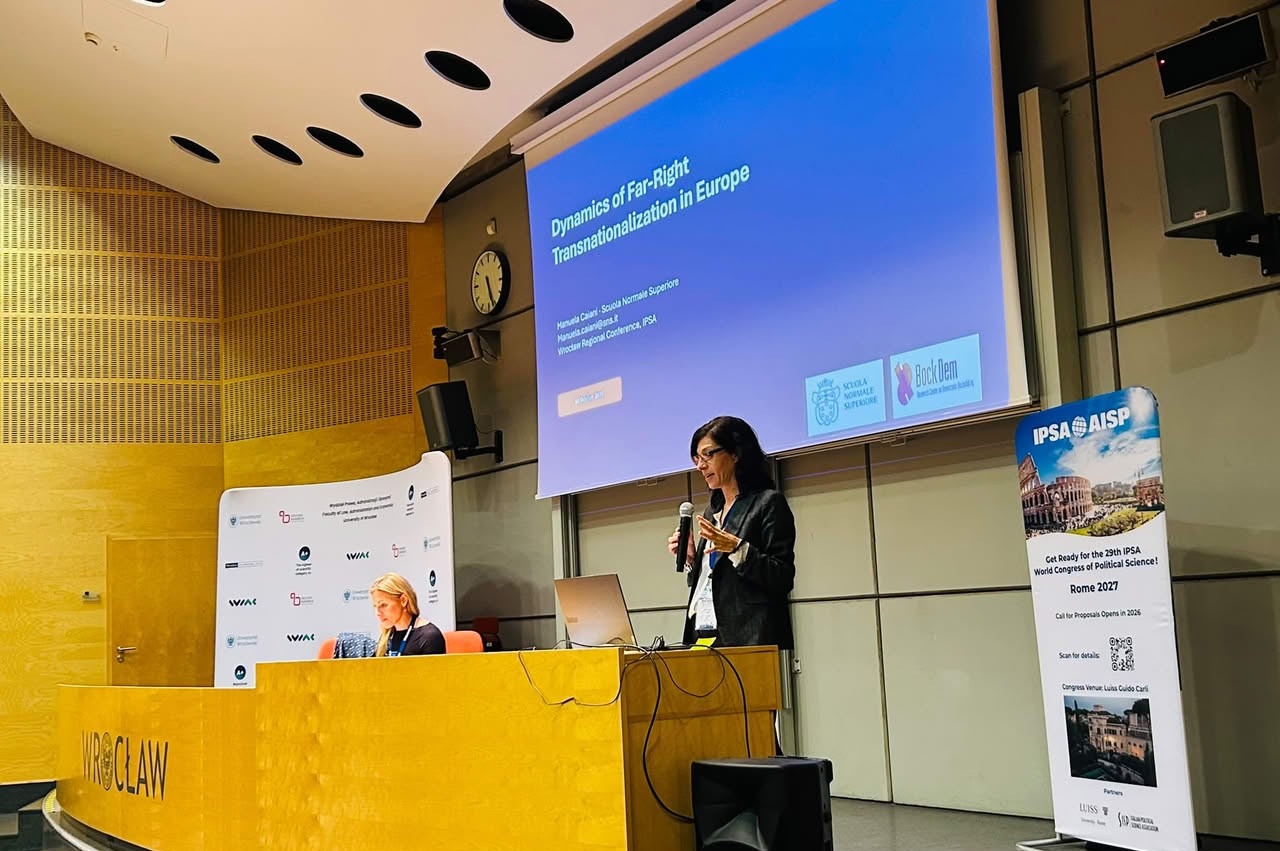
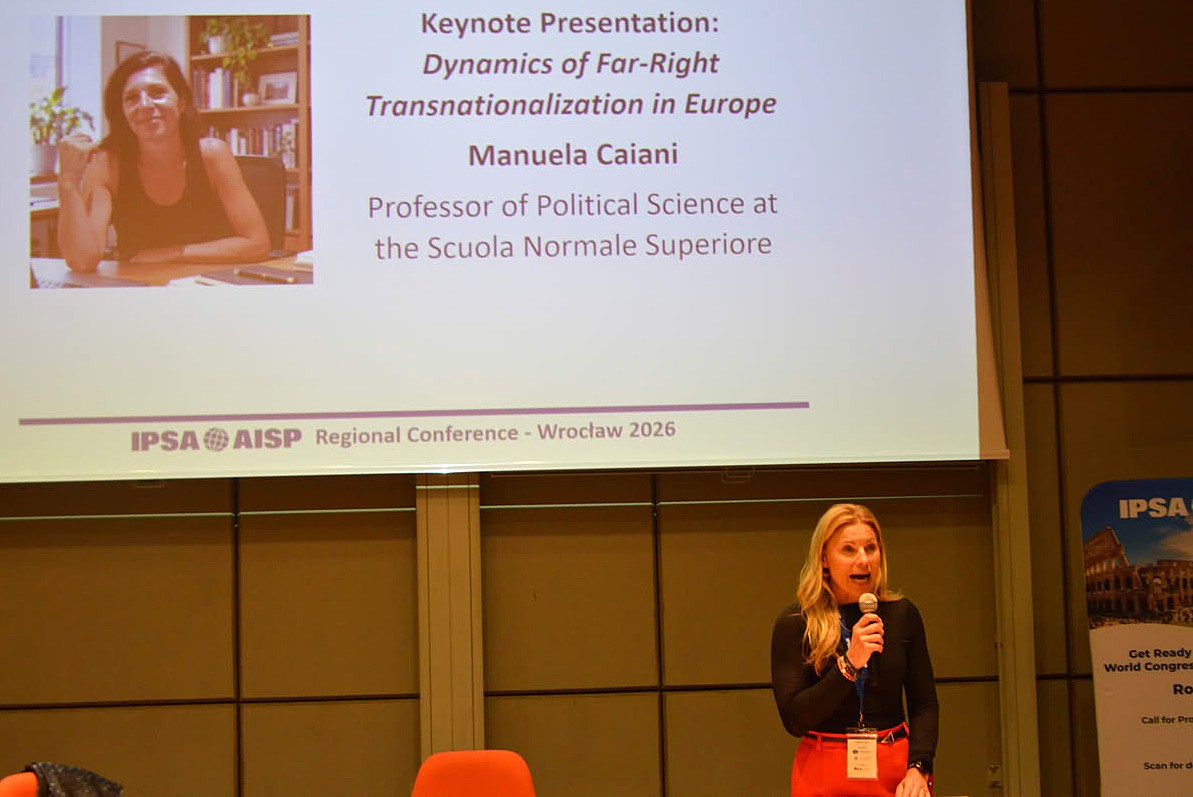
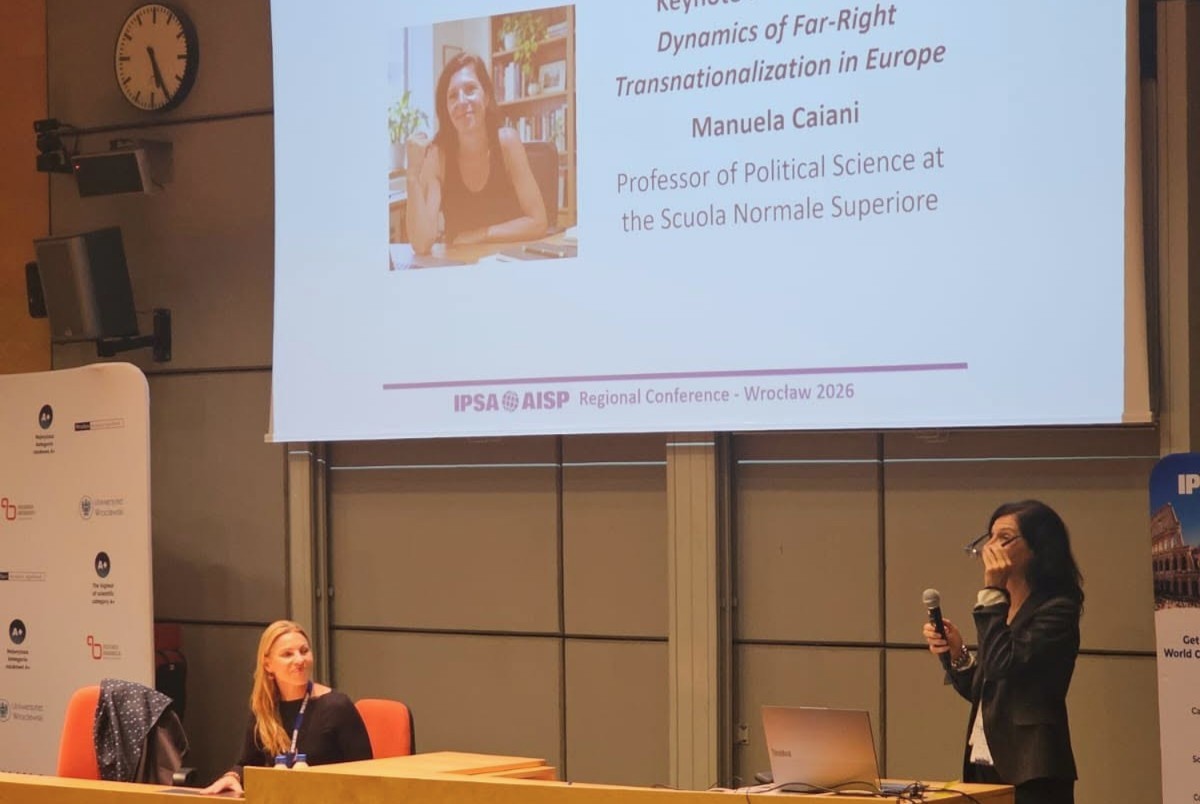
Keynote Address by Manuela Caiani: Dynamics of Far-Right Transnationalization in Europe
One of the highlights of the conference was the keynote address by Manuela Caiani (Associate Professor, Scuola Normale Superiore). IPSA Vice-President Magdalena Musiał-Karg chaired the session and introduced Prof. Caiani. Drawing on research conducted as part of the Neo-authoritarianisms in Europe and the Liberal Democratic Response project (AUTHLIB), Prof. Caiani examined the mechanisms, channels and processes through which illiberal actors and ideas become transnational. The keynote was followed by a lively Q&A session.
Welcome Reception
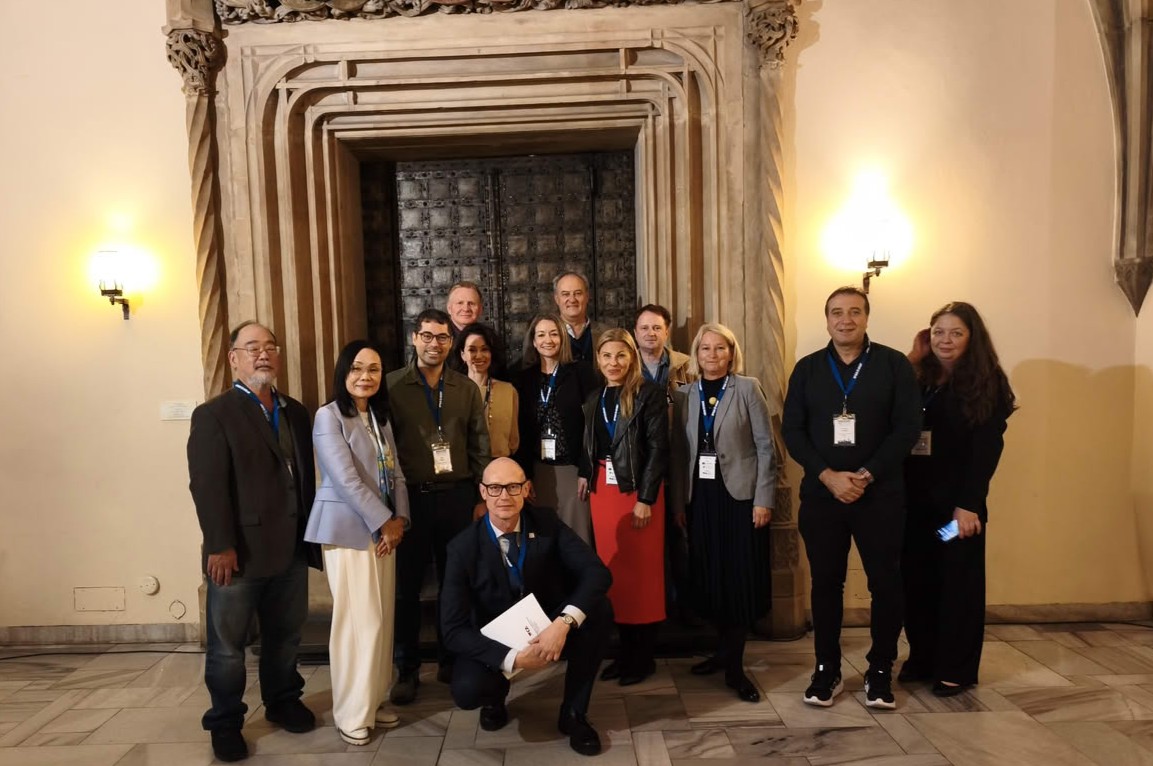
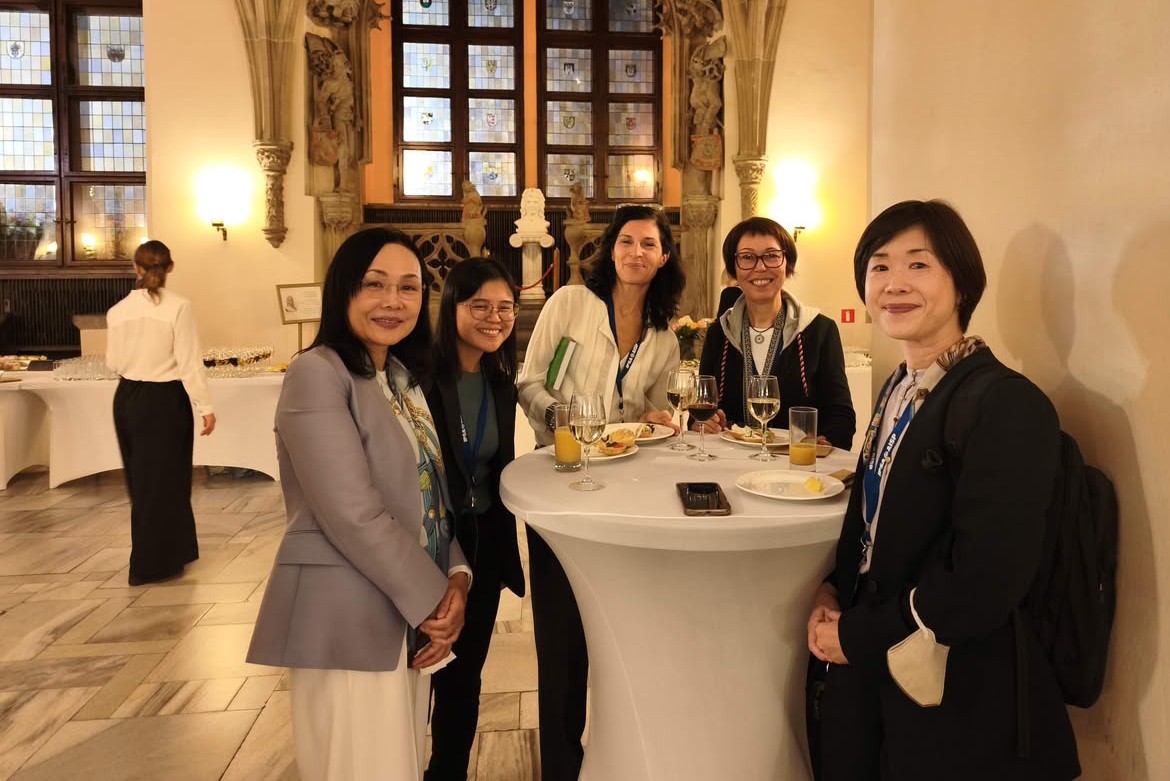
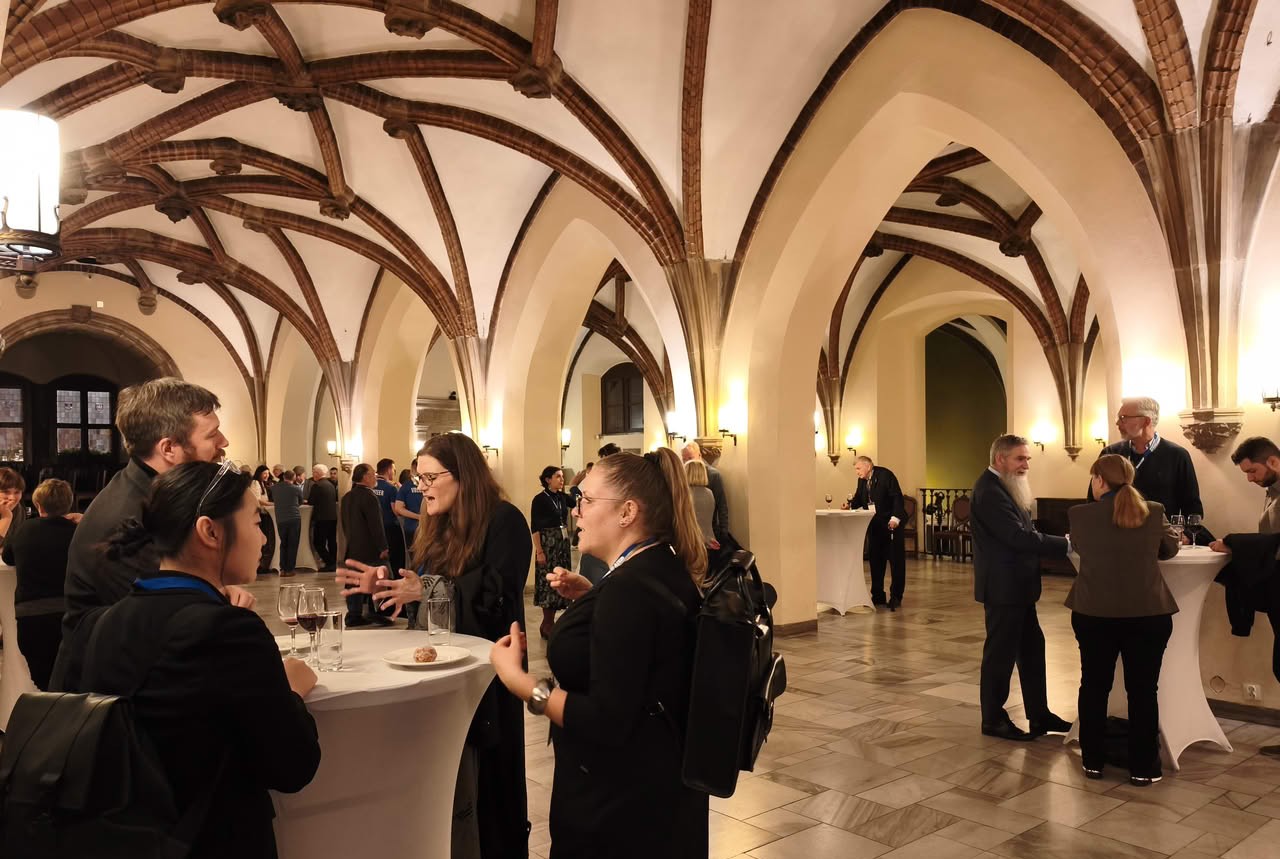
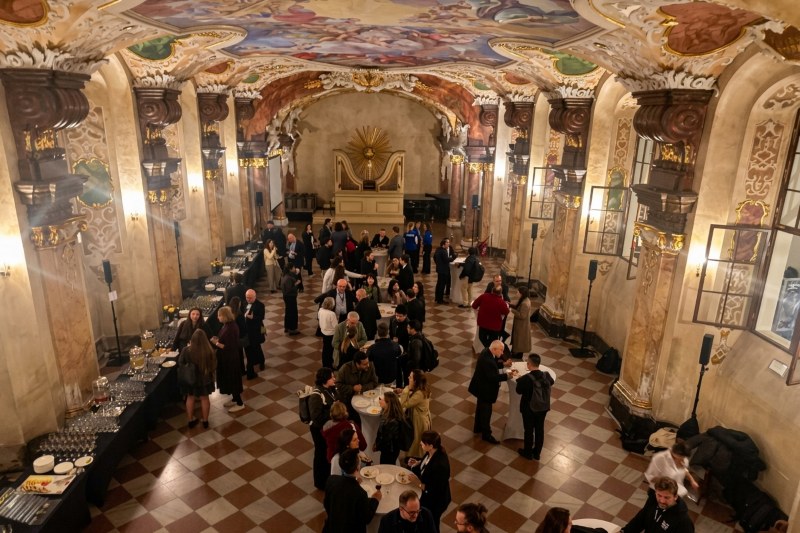
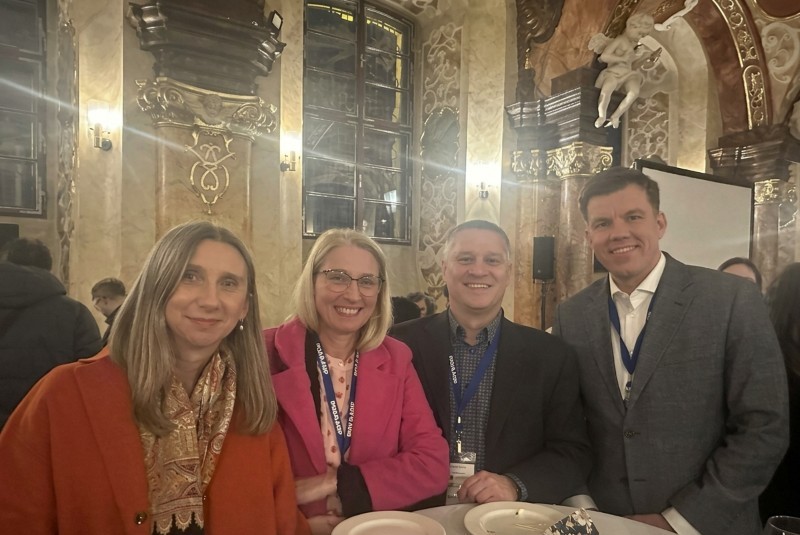
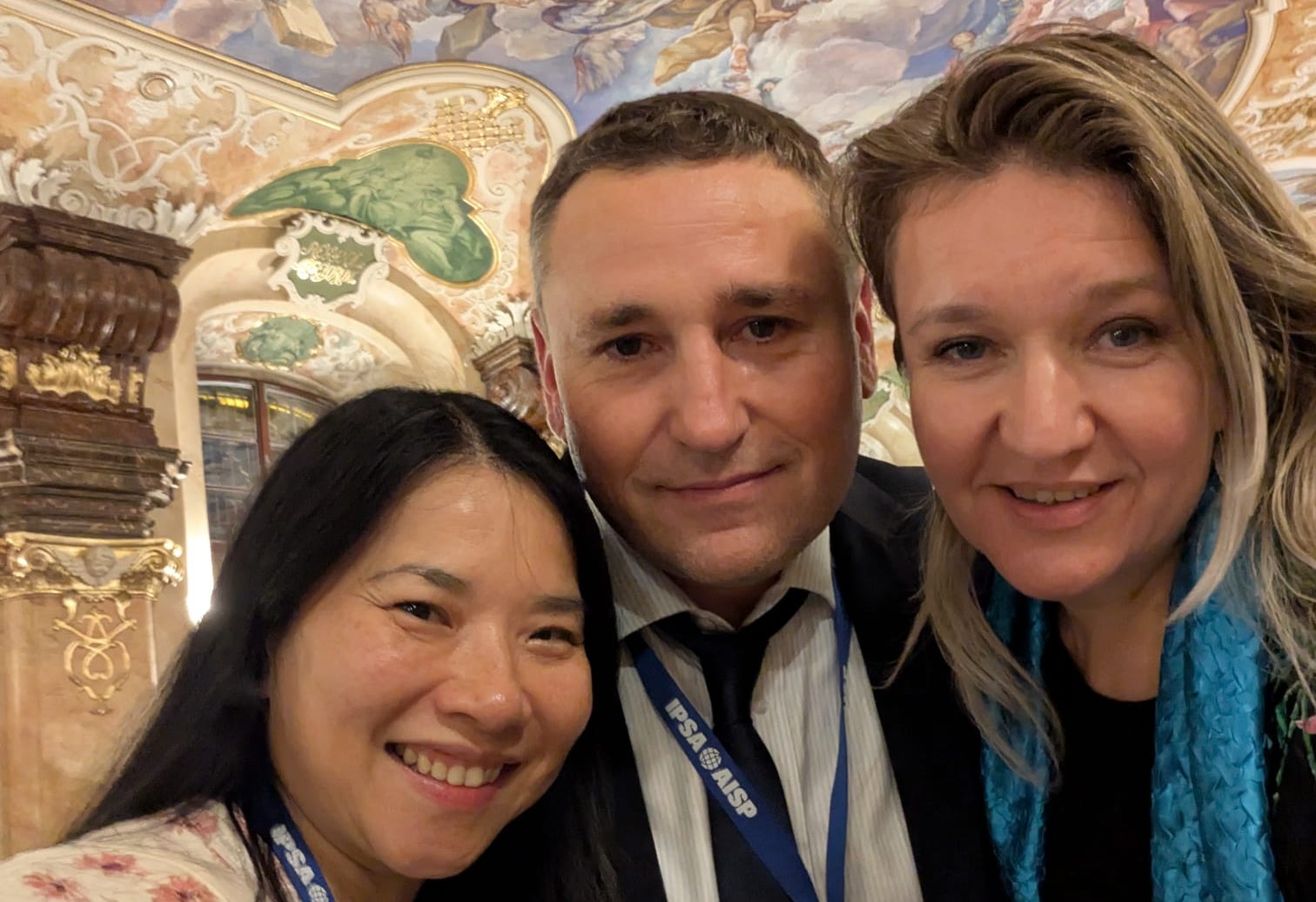
The Opening Reception of the IPSA Regional Conference welcomed participants and special guests at the University of Wrocław. The reception provided an opportunity for conference participants from around the world to meet, reconnect with colleagues and exchange ideas in an informal setting.
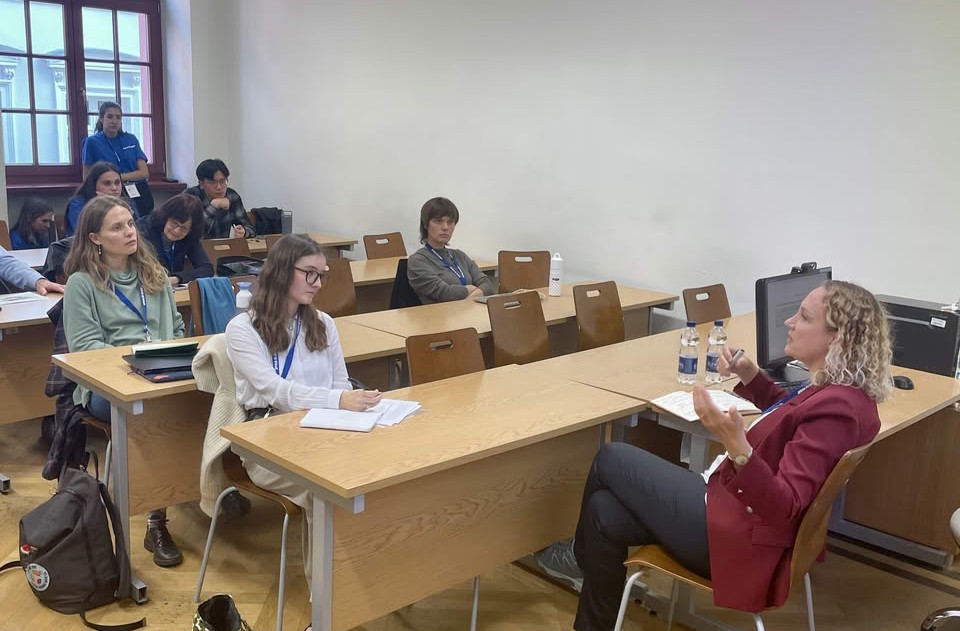
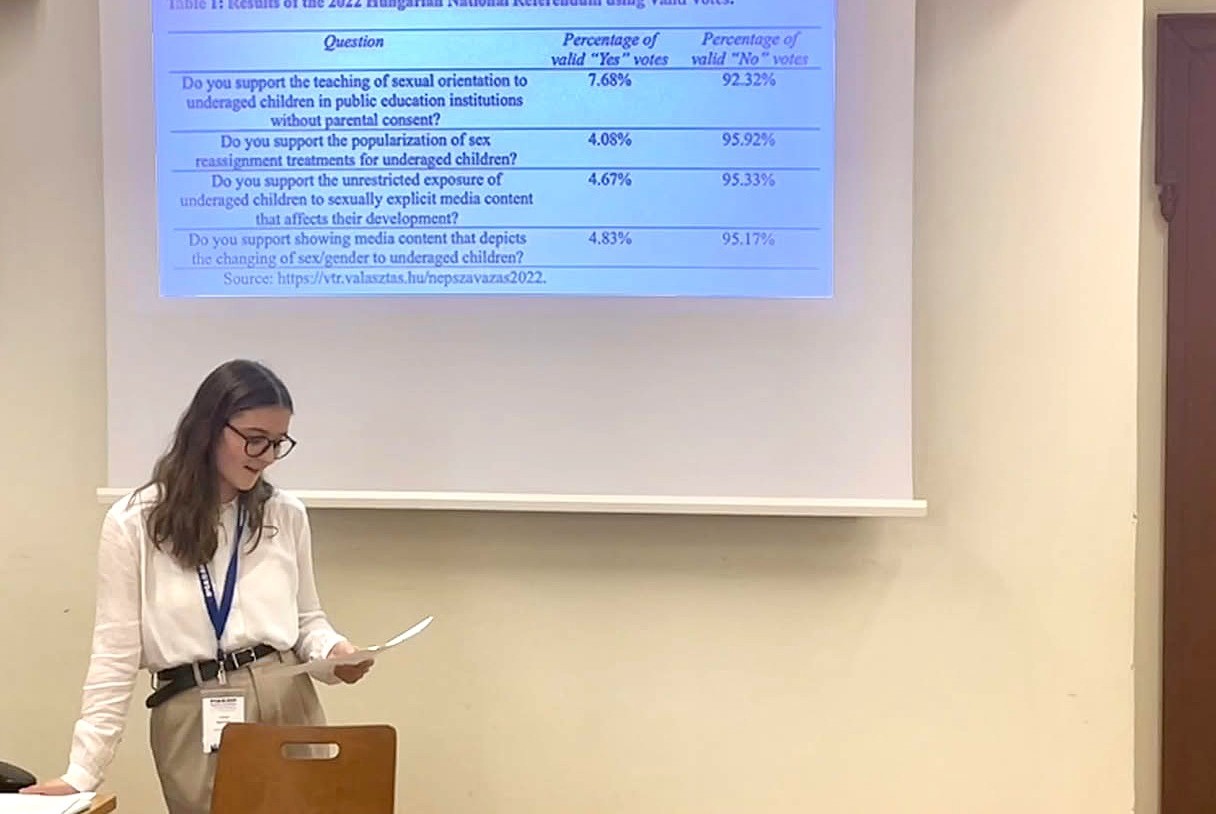
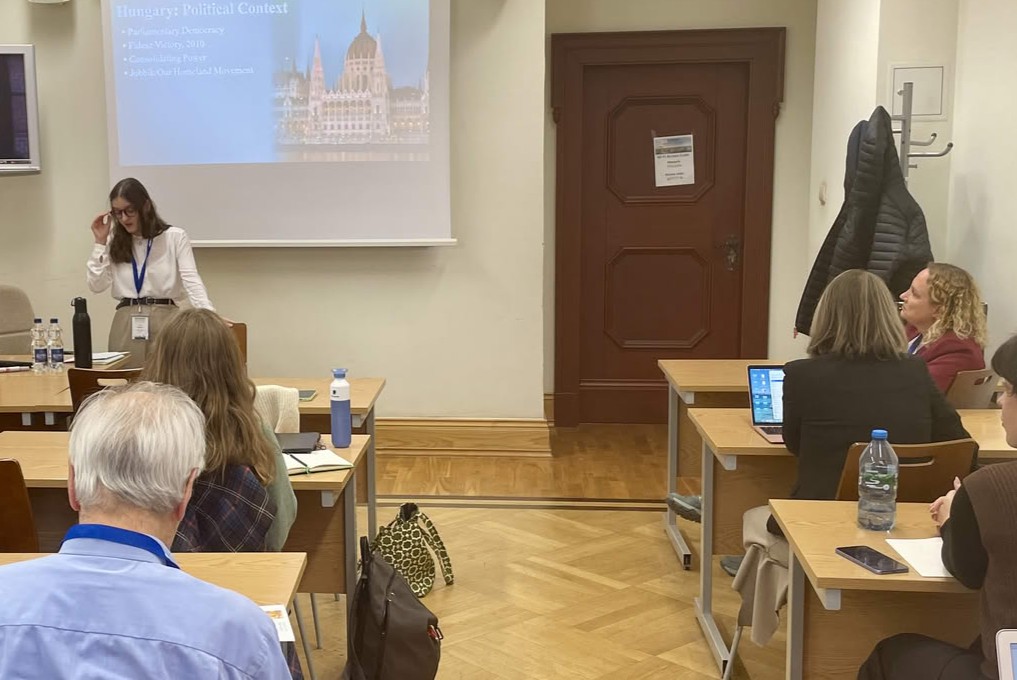
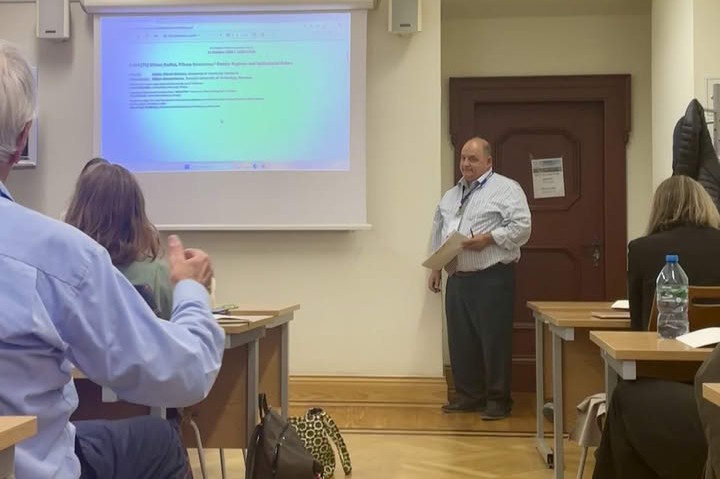
Whose Bodies, Whose Democracy? Gender Regimes and Institutional Failure Panel
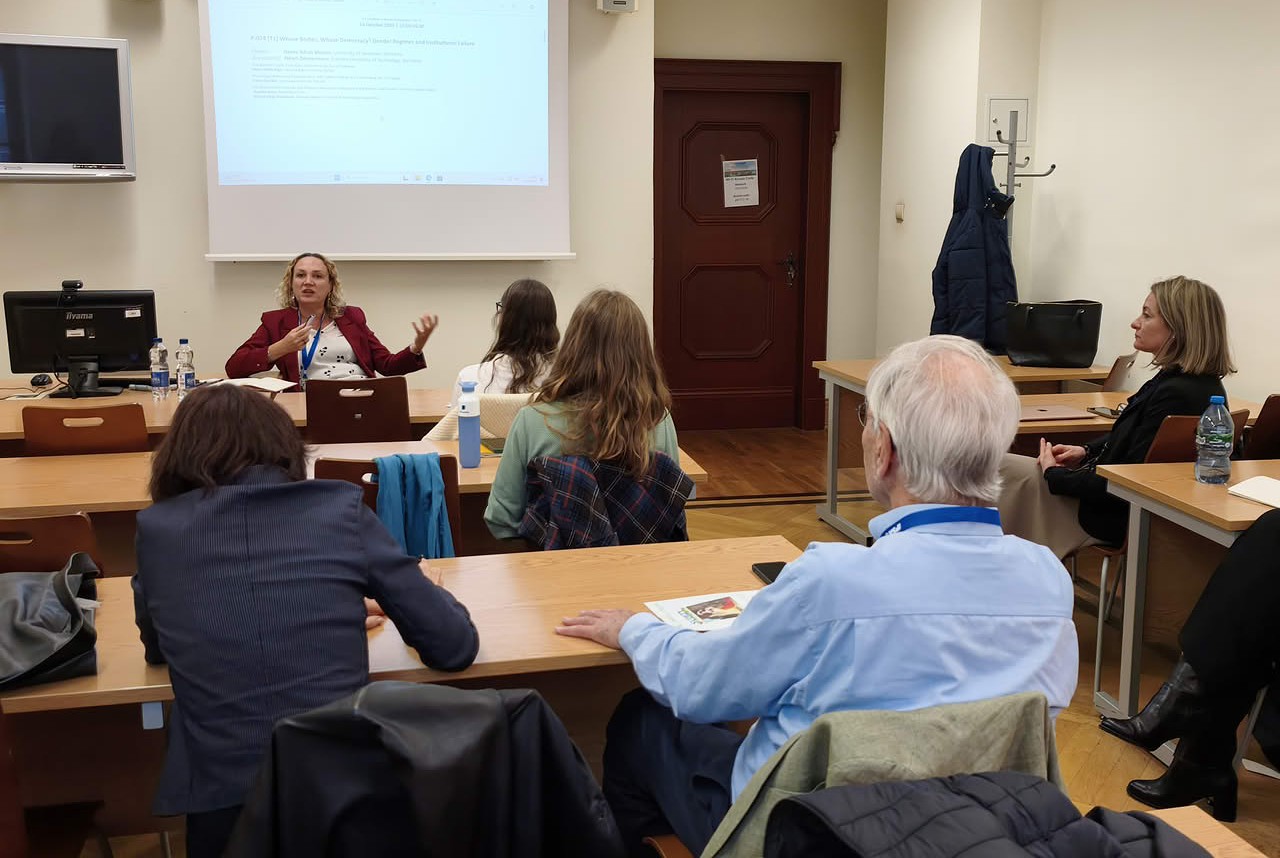
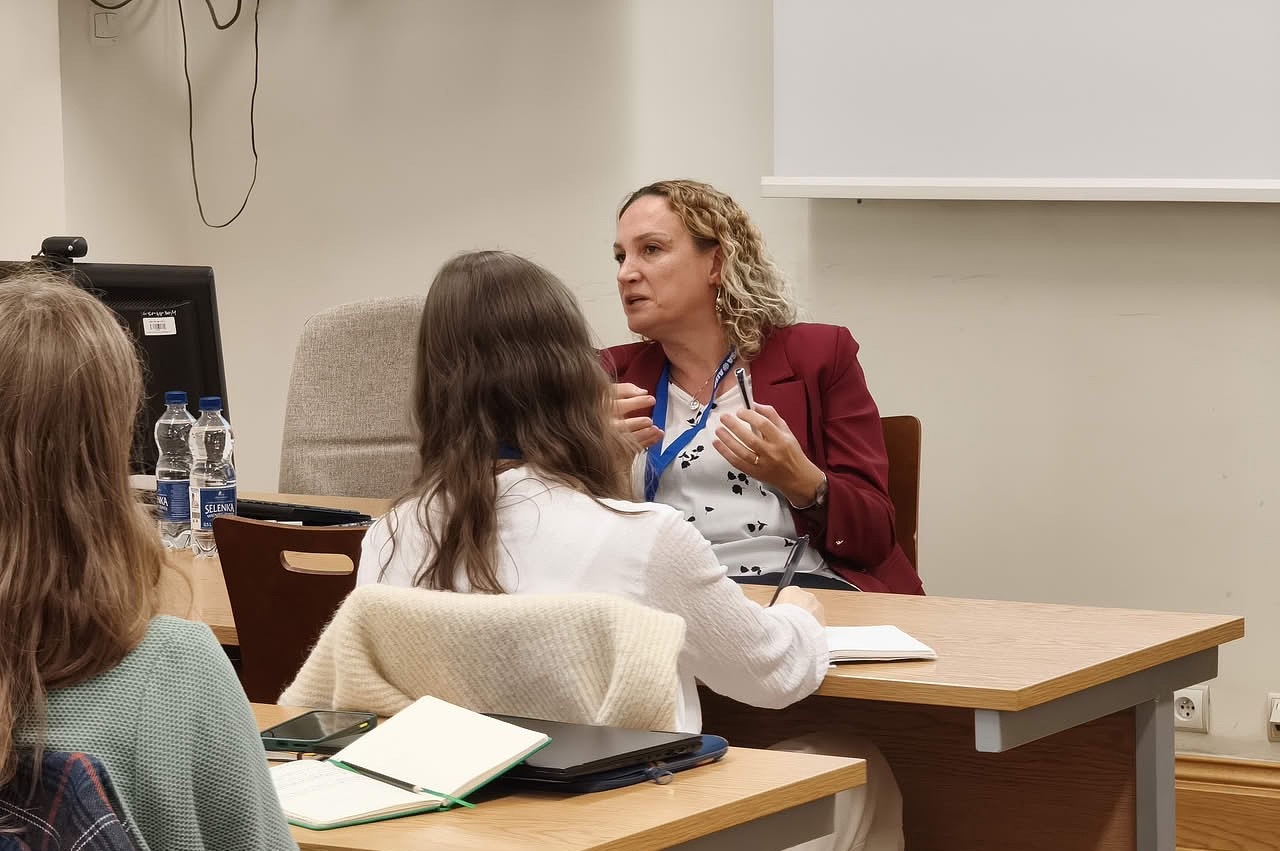
IPSA President-Elect Hasret Dikici Bilgin participated in the Whose Bodies, Whose Democracy? Gender Regimes and Institutional Failure panel to present her paper, Pink but Not Purple: From State Feminism to the Era of Tradwives.
Diplomacy Challenges and the War in Ukraine Panel
Former IPSA EC member Arkadiusz Żukowski was a presenter at the Diplomacy Challenges and the War in Ukraine panel.
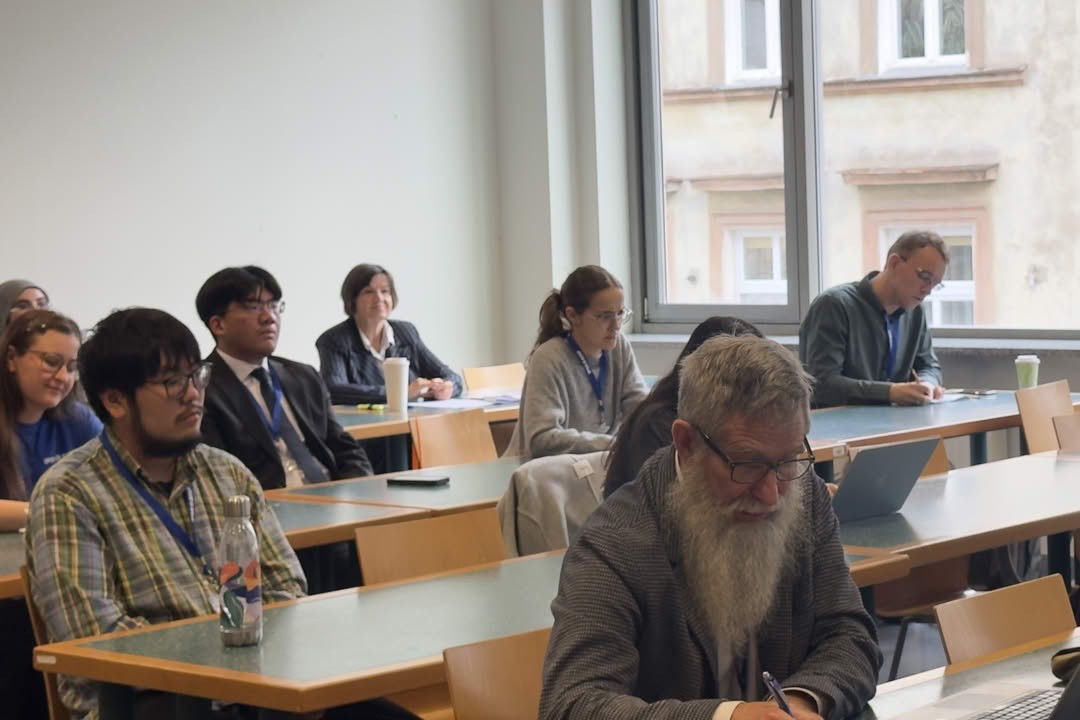
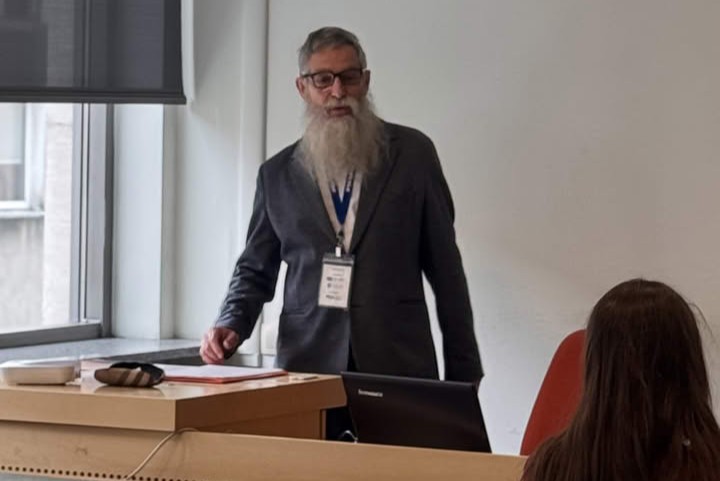
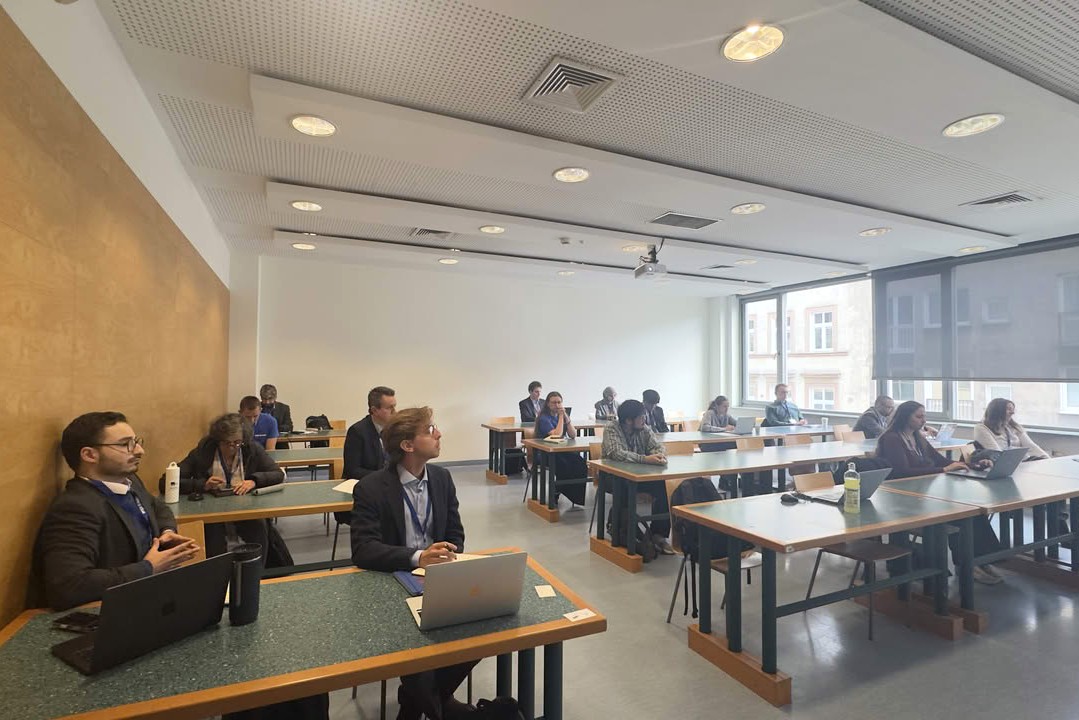
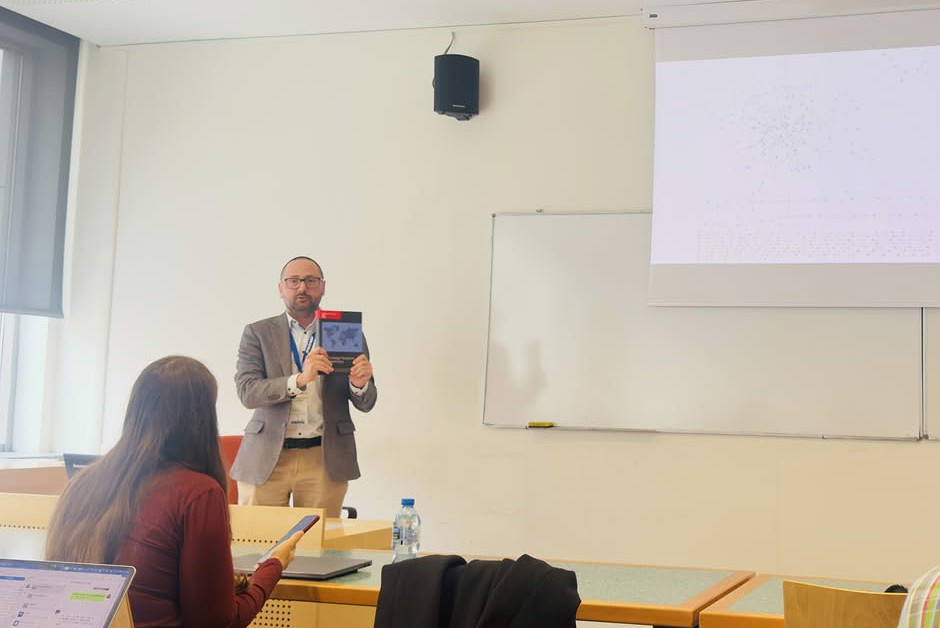
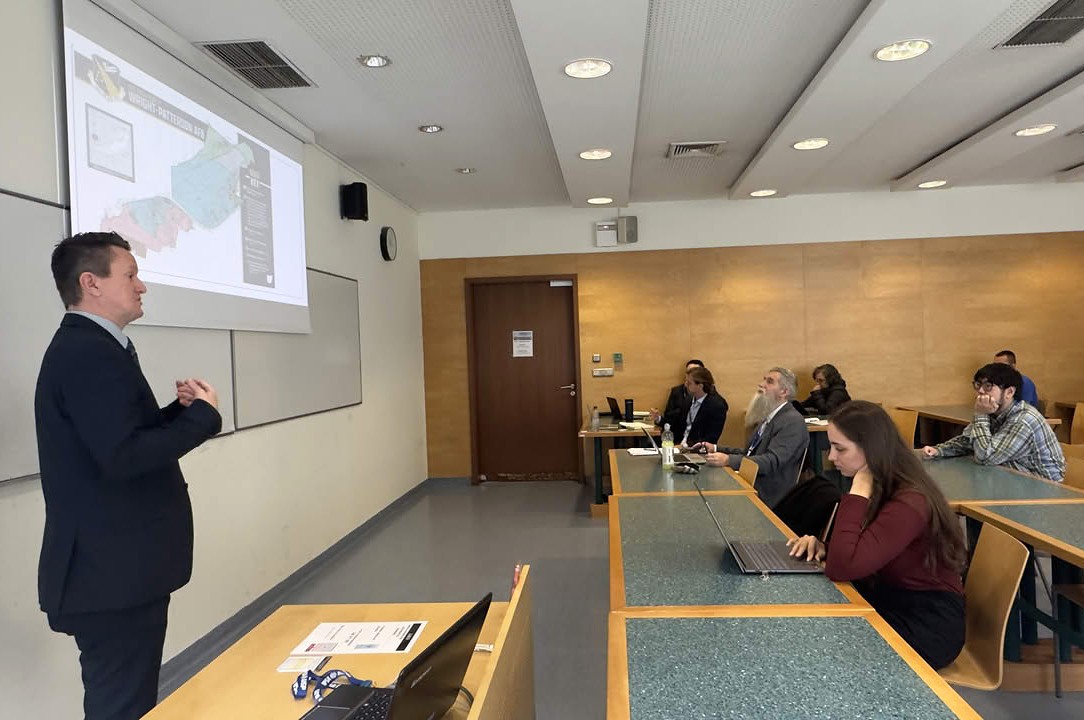
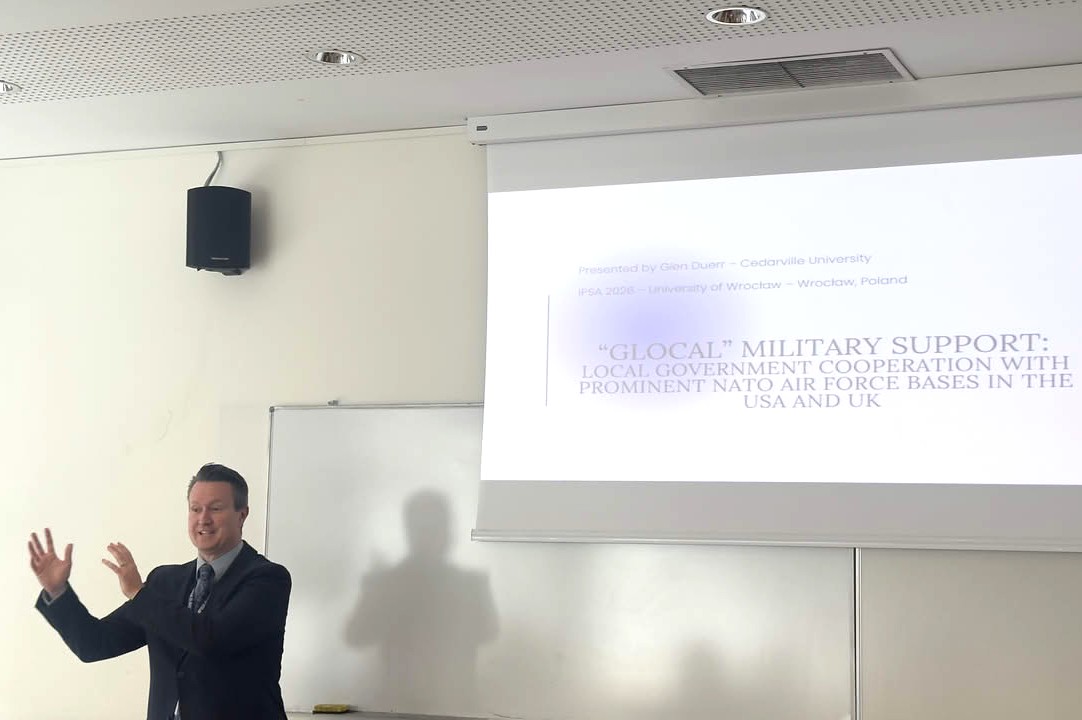
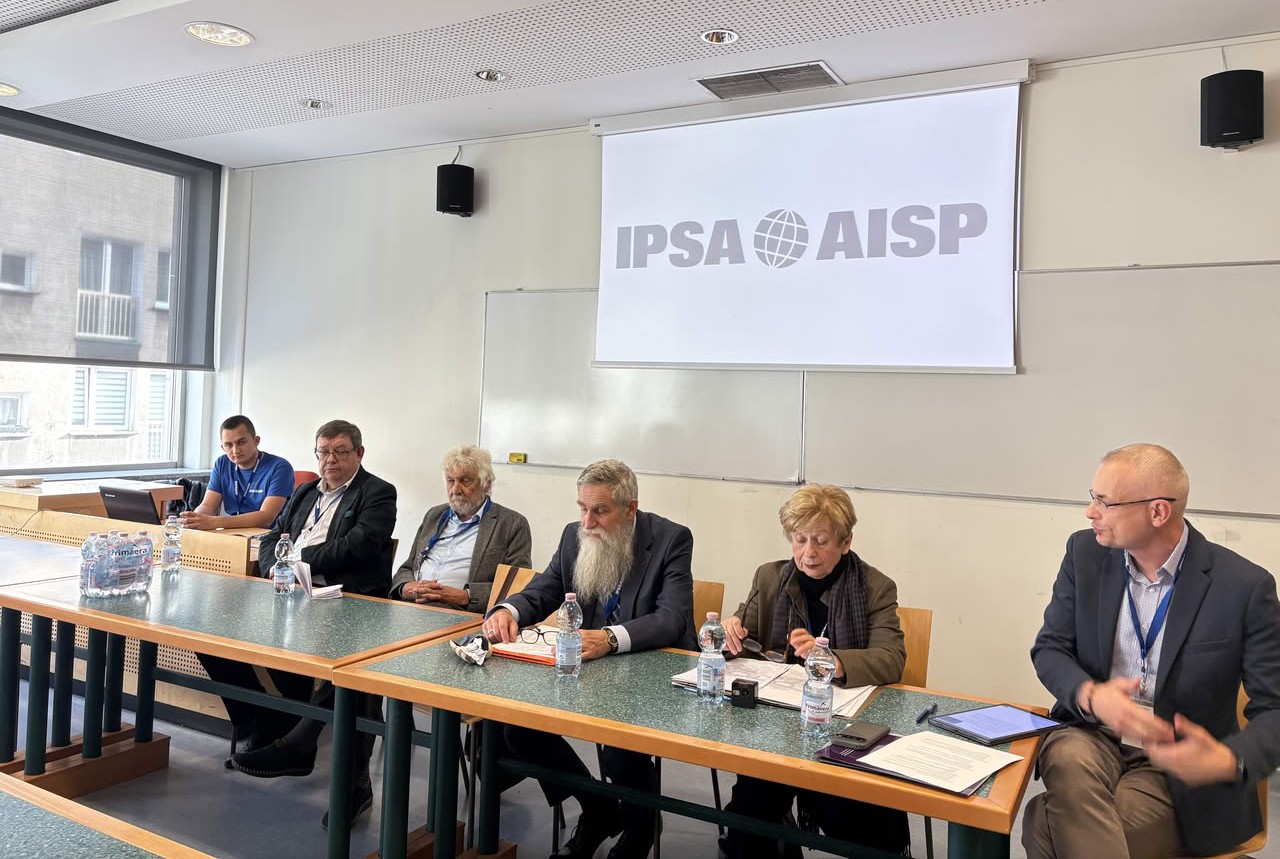
Media, Disinformation and Digital Technologies in the Polish Public Sphere Rountable
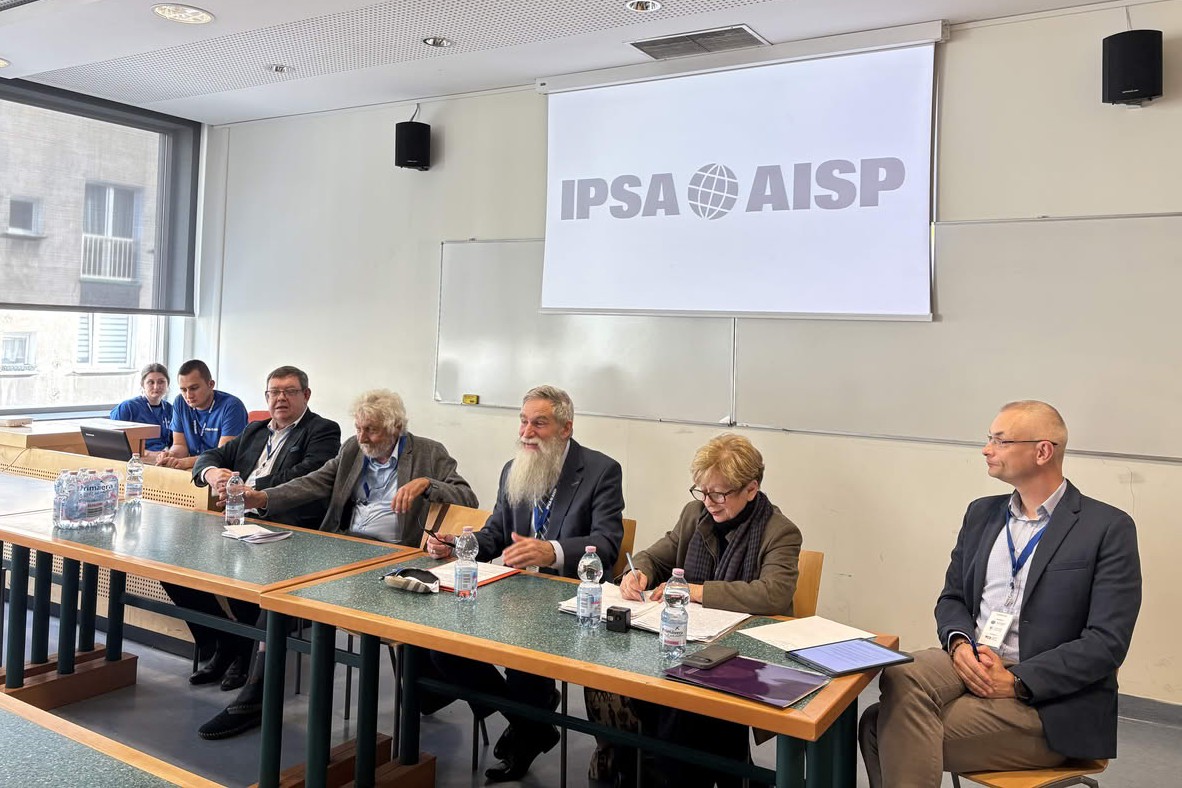
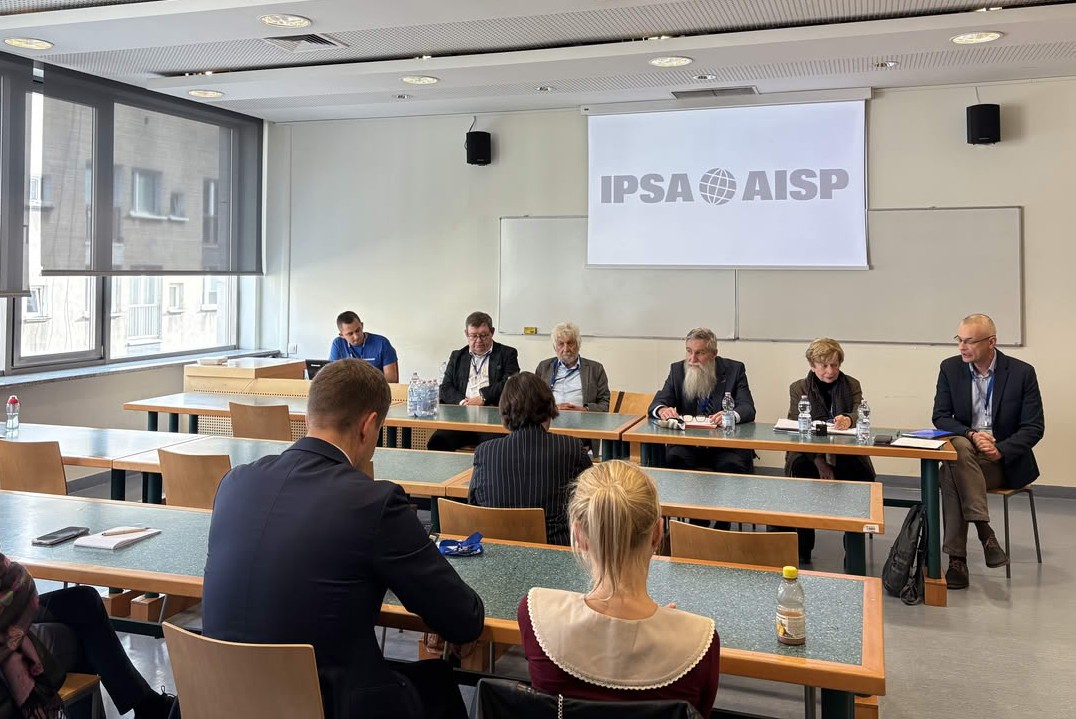
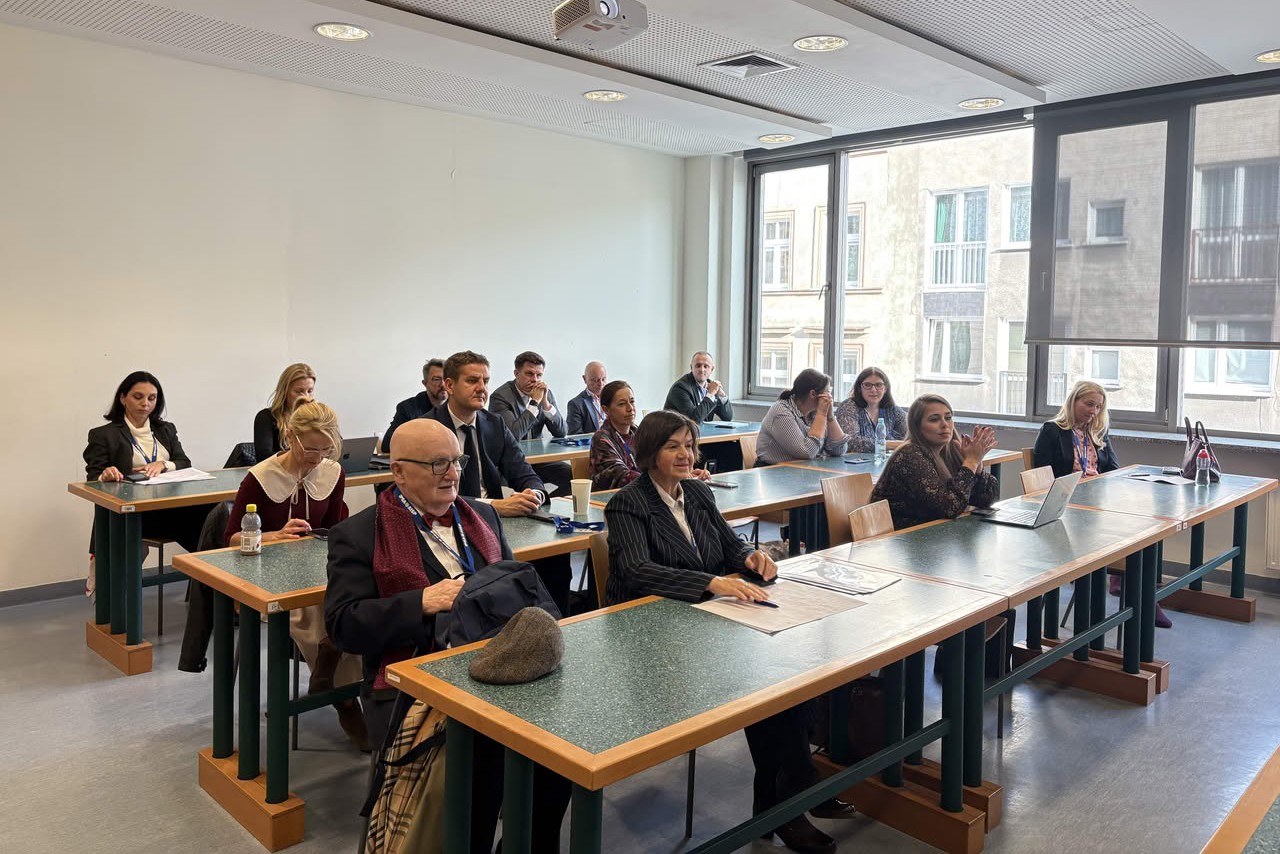
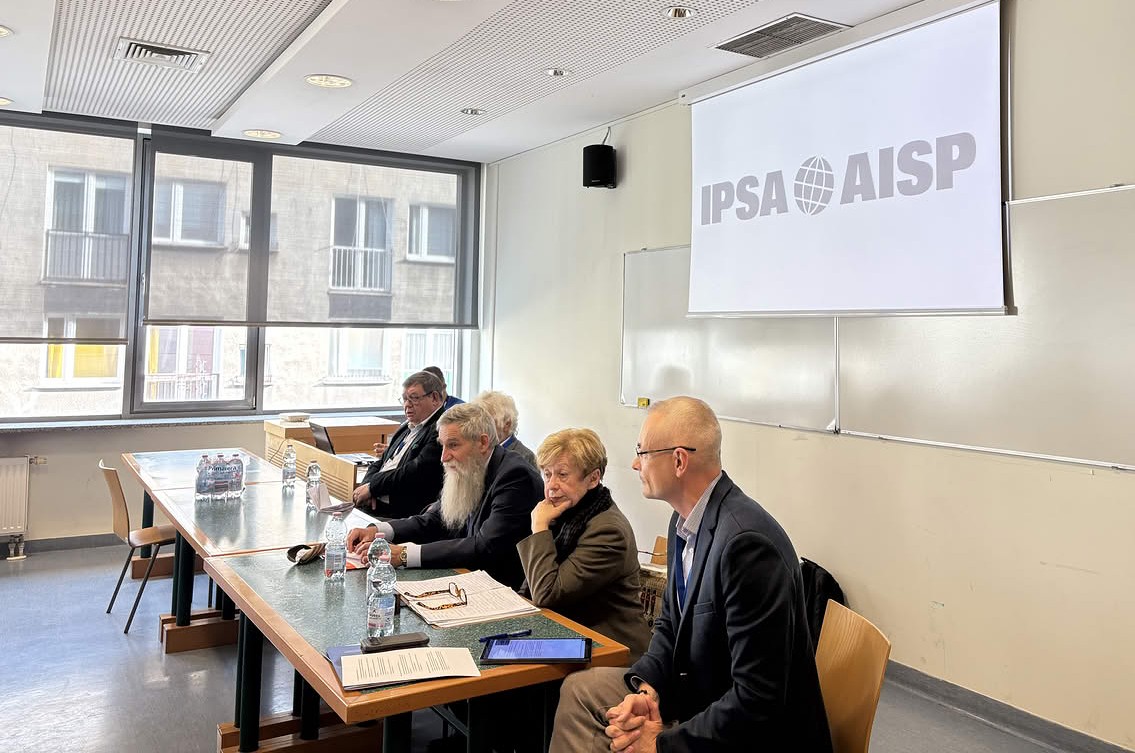
Chaired by Teresa Sasińska-Klas (University of Information Technology and Management), the first LOC roundtable, Media, Disinformation and Digital Technologies in the Polish Public Sphere, brought together experts to discuss the media environment, disinformation, and the impact of digital technologies on public discourse in Poland.
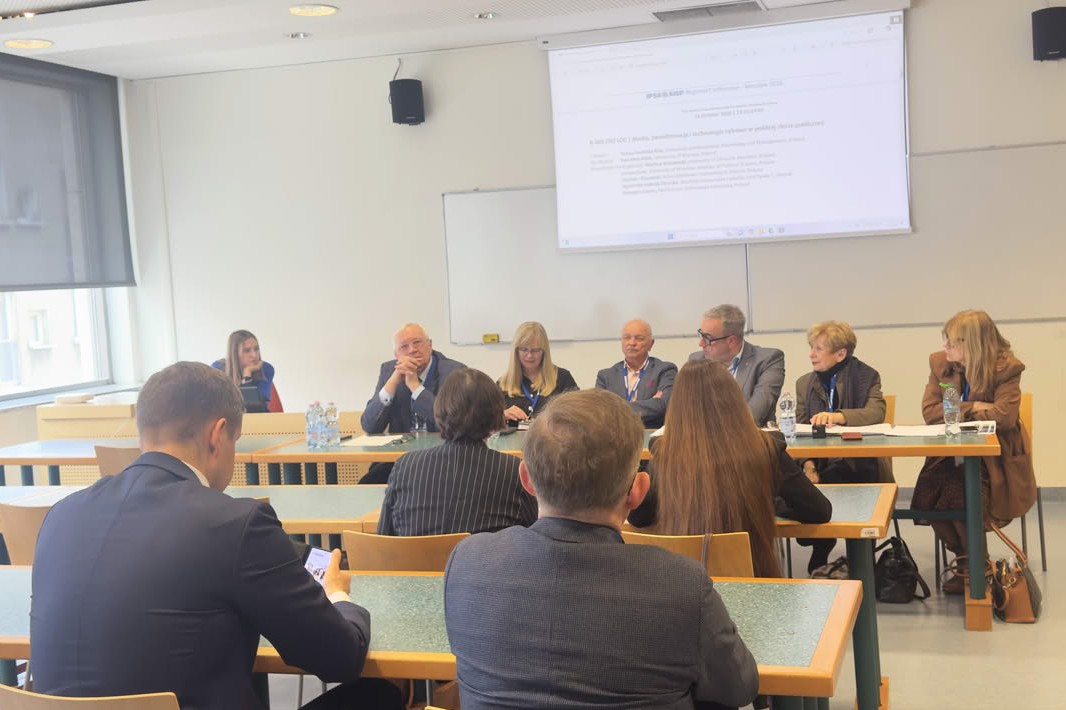
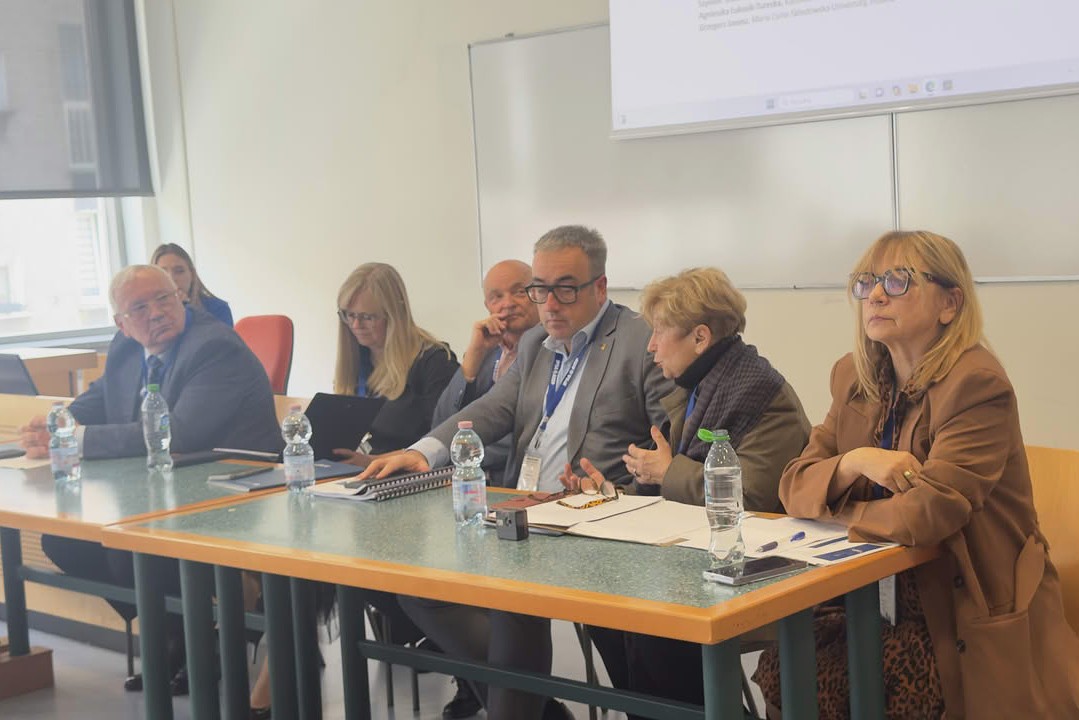
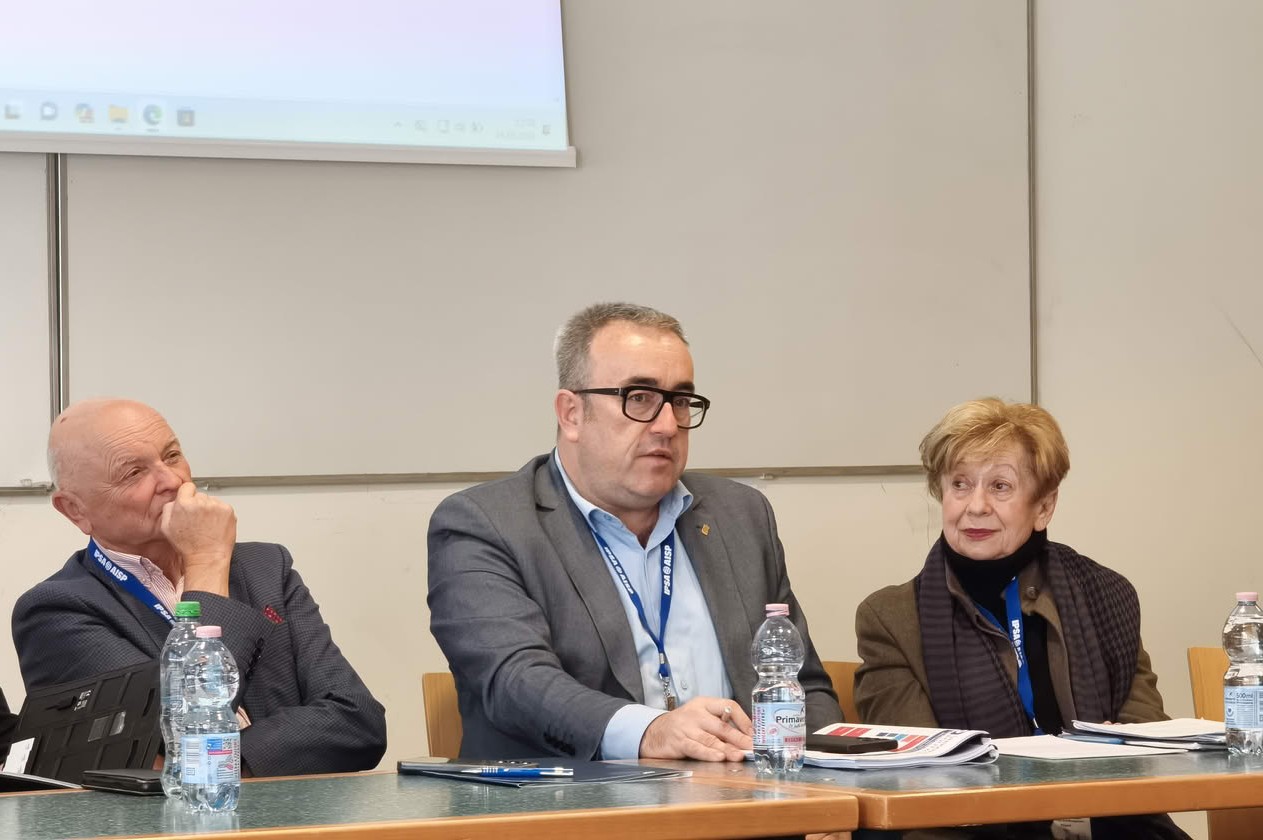
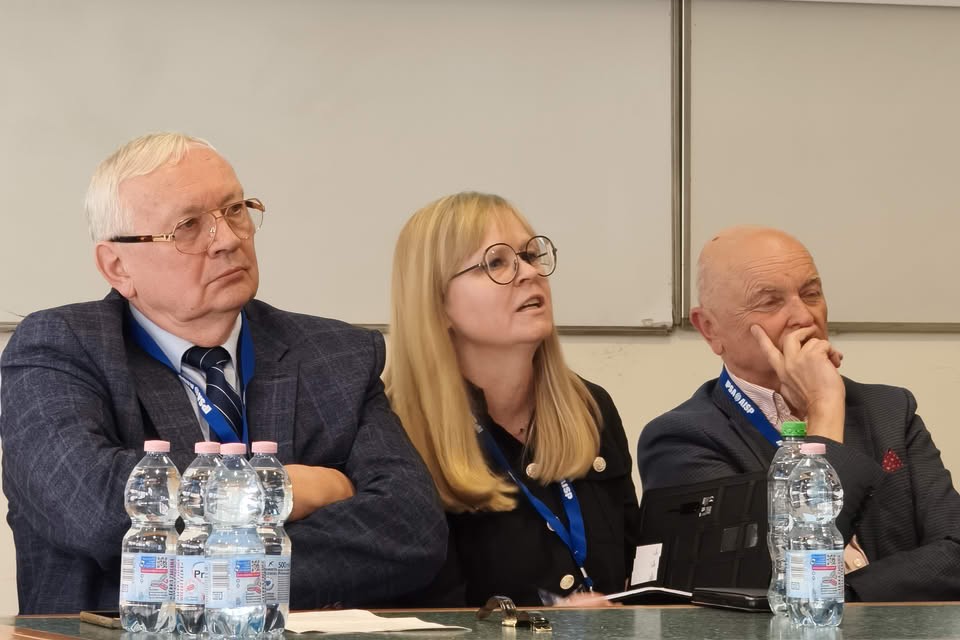
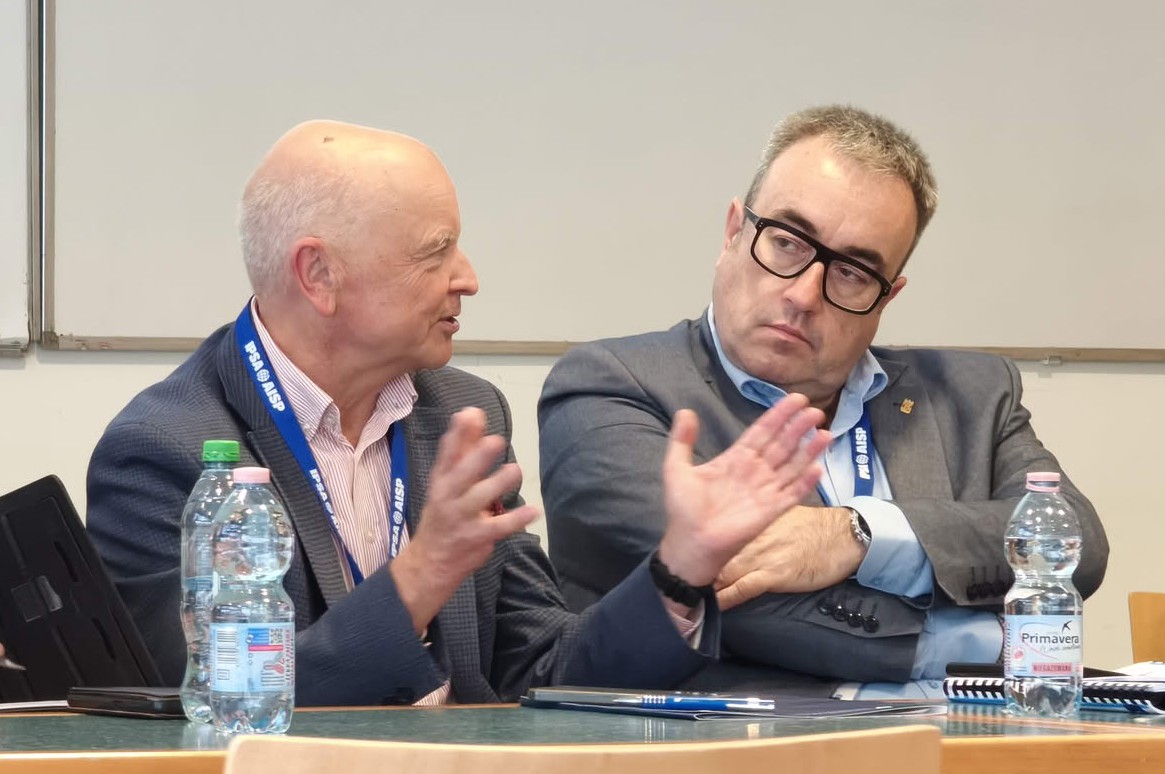
The Resilience of Democracy in Poland Amid Polarization and Populist Pressure Roundtable
Chaired by Jolanta Itrich-Drabarek (University of Warsaw), the second LOC roundtable, The Resilience of Democracy in Poland Amid Polarization and Populist Pressure, examined the challenges facing democratic institutions in Poland. Former IPSA EC member Arkadiusz Żukowski also participated in this roundtable.
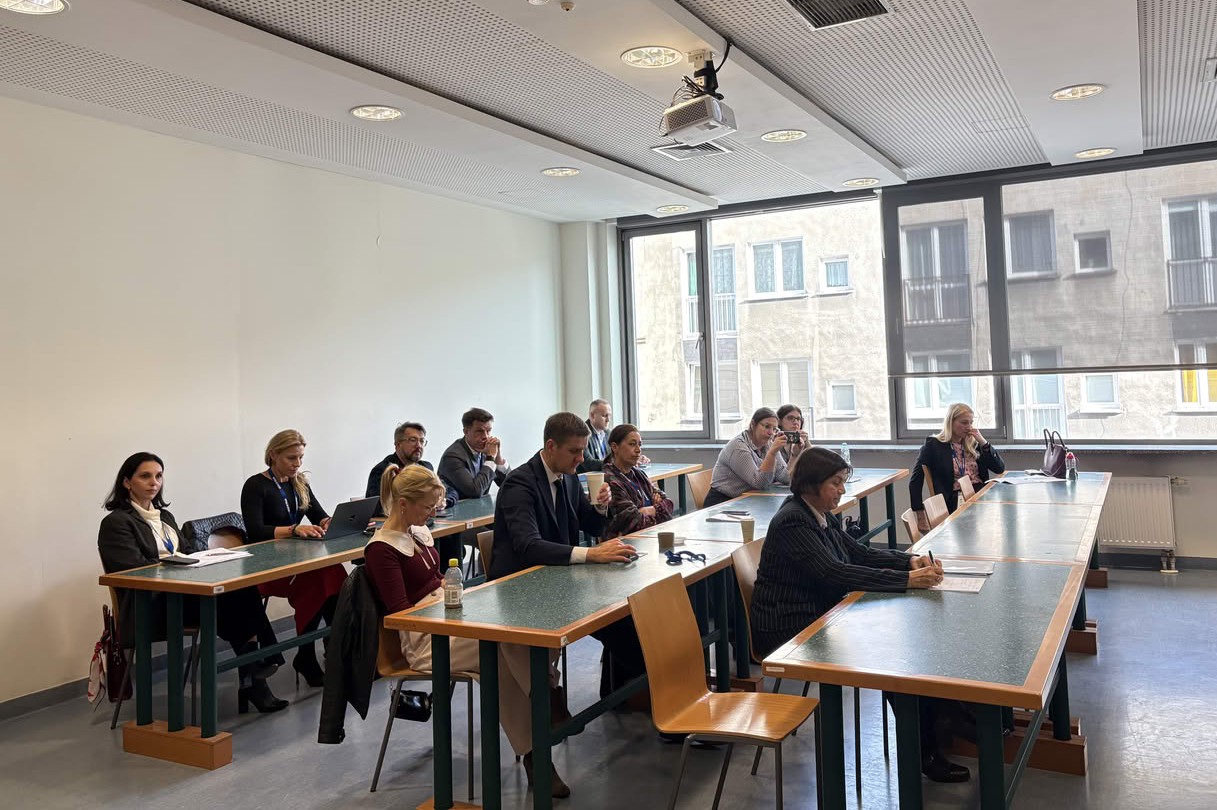
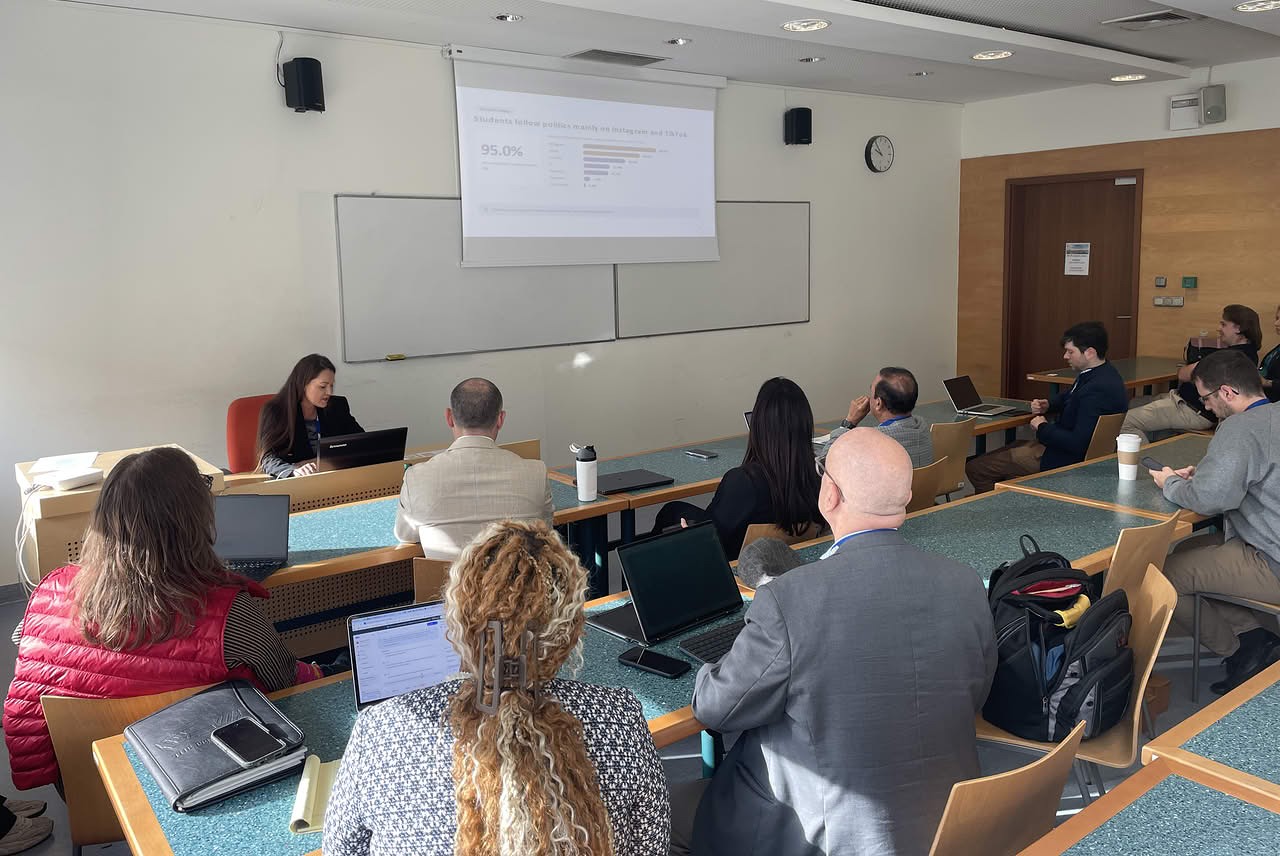
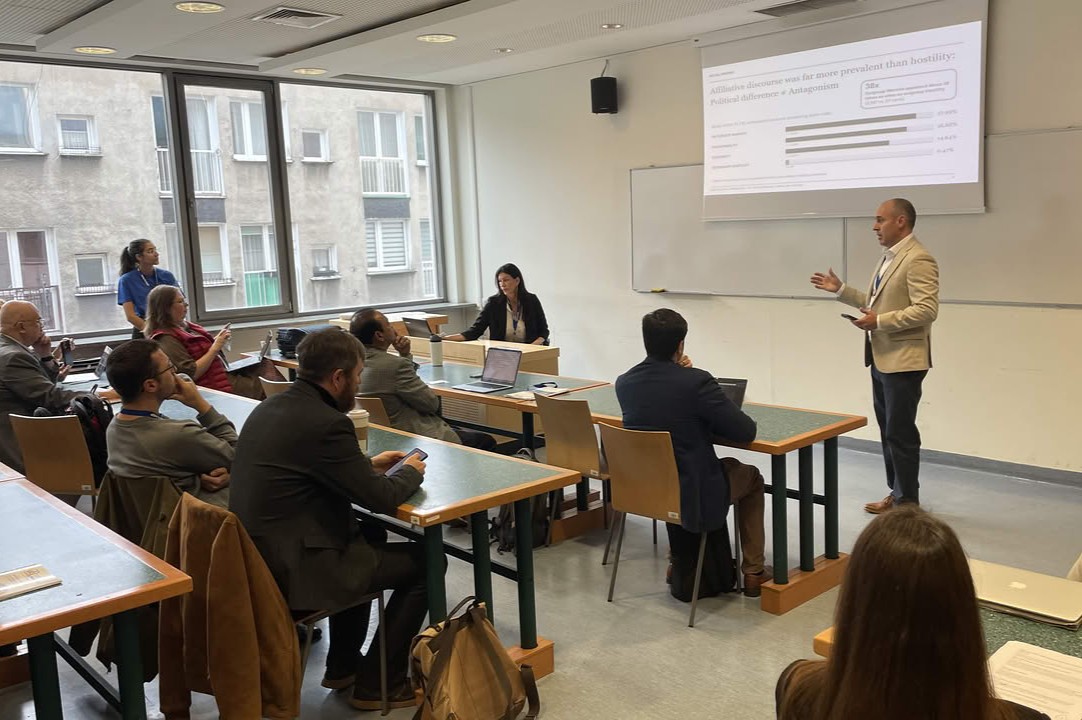
Political Media Exposure and Digital Mobilization Panel
Former IPSA EC member Emilia Palonen chaired the Political Media Exposure and Digital Mobilization panel.
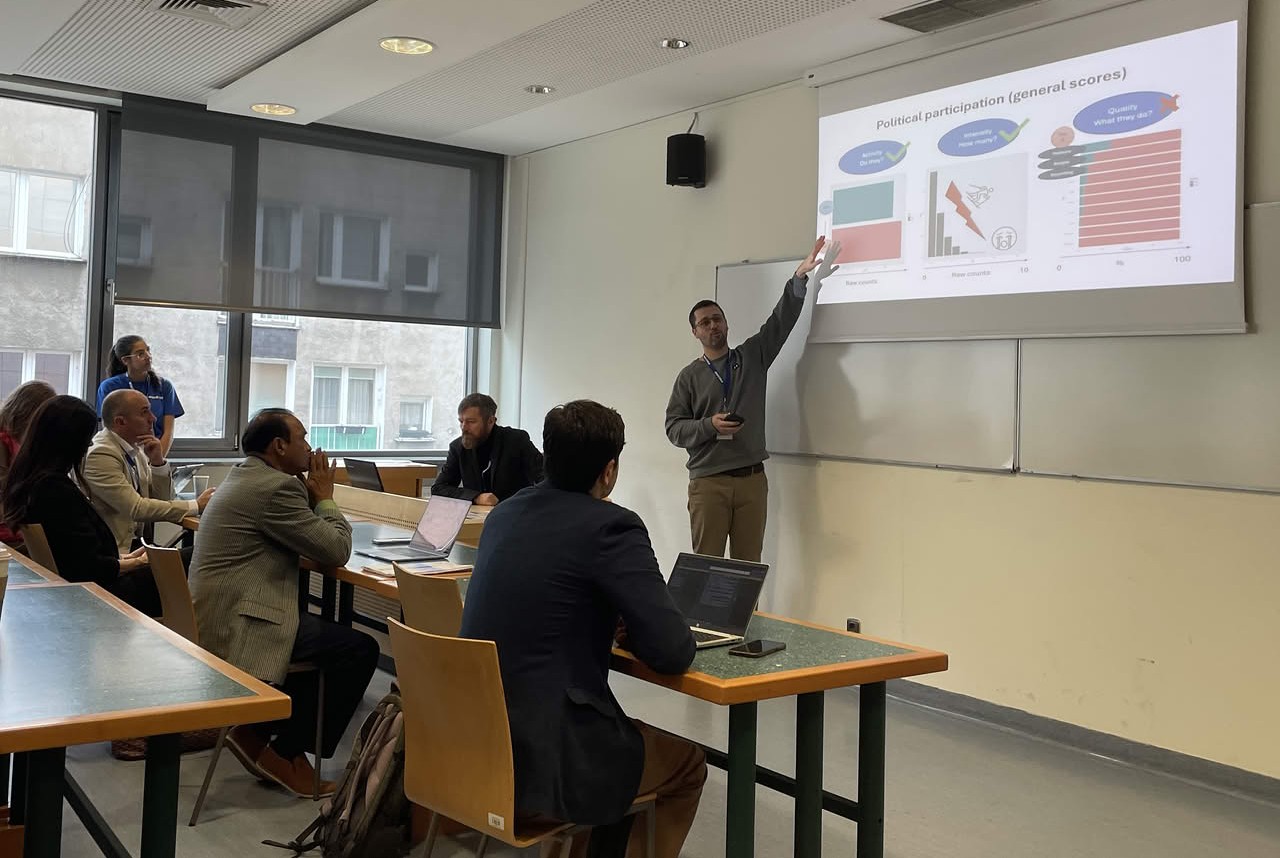
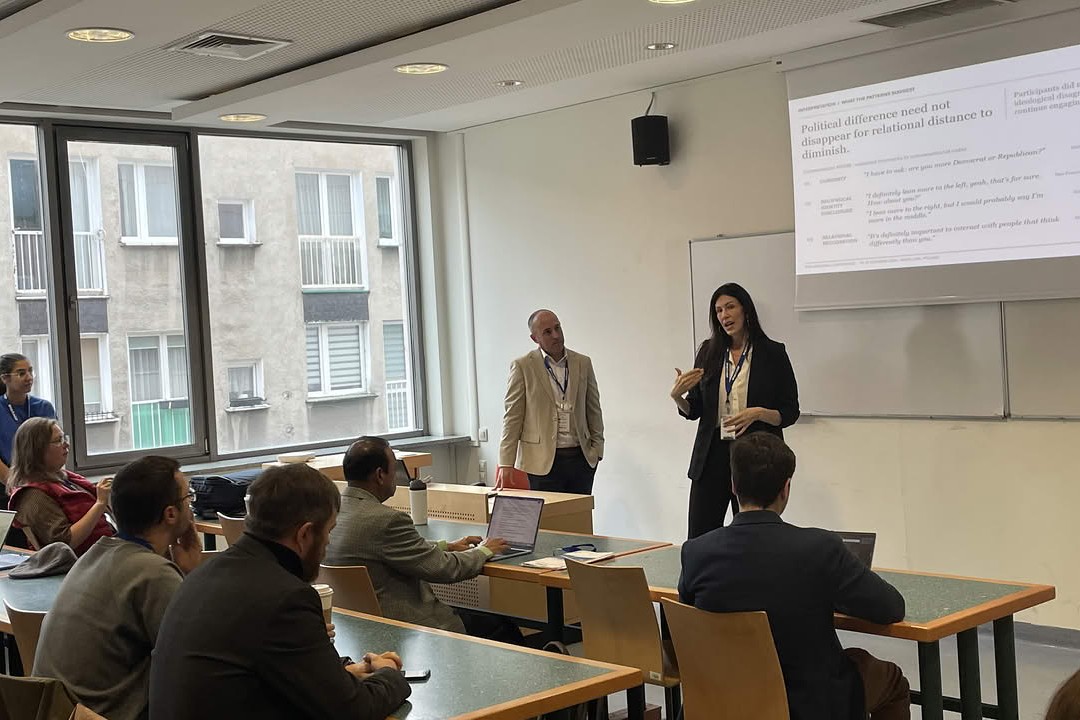
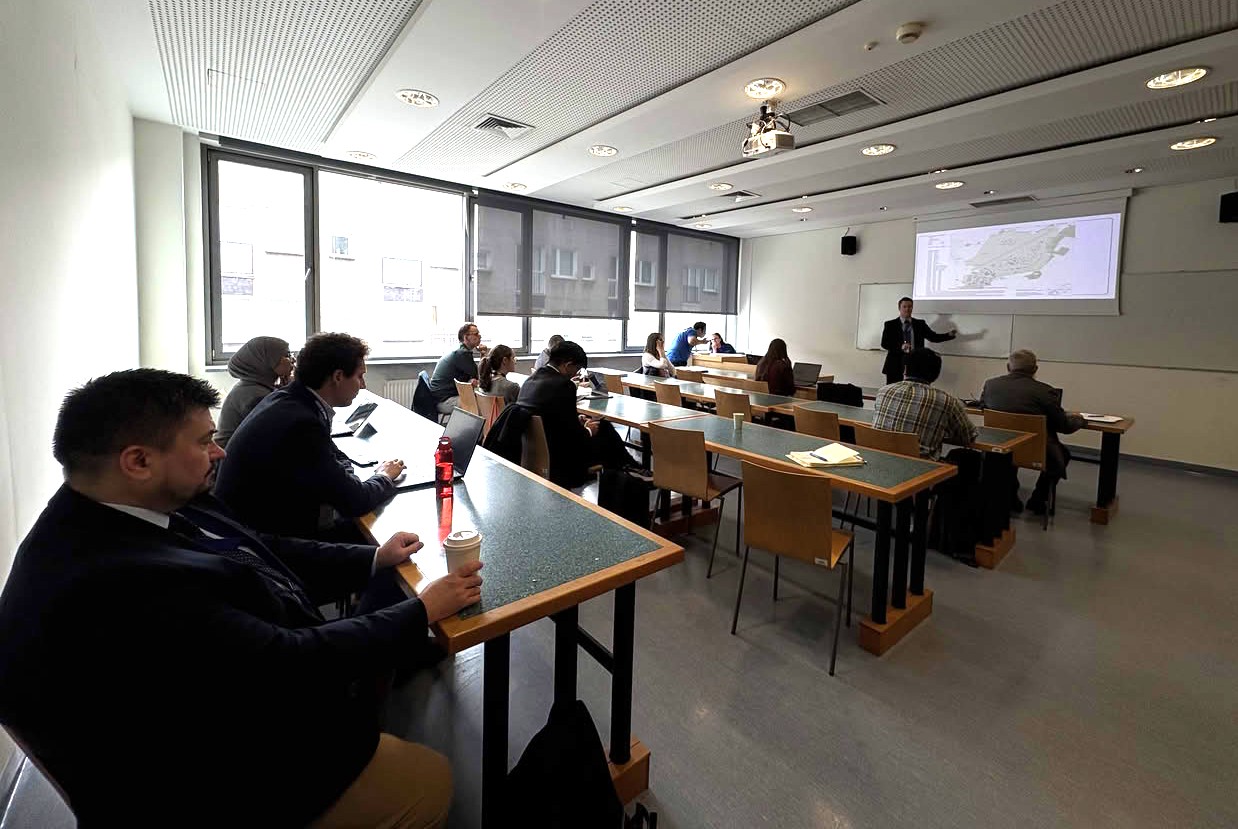
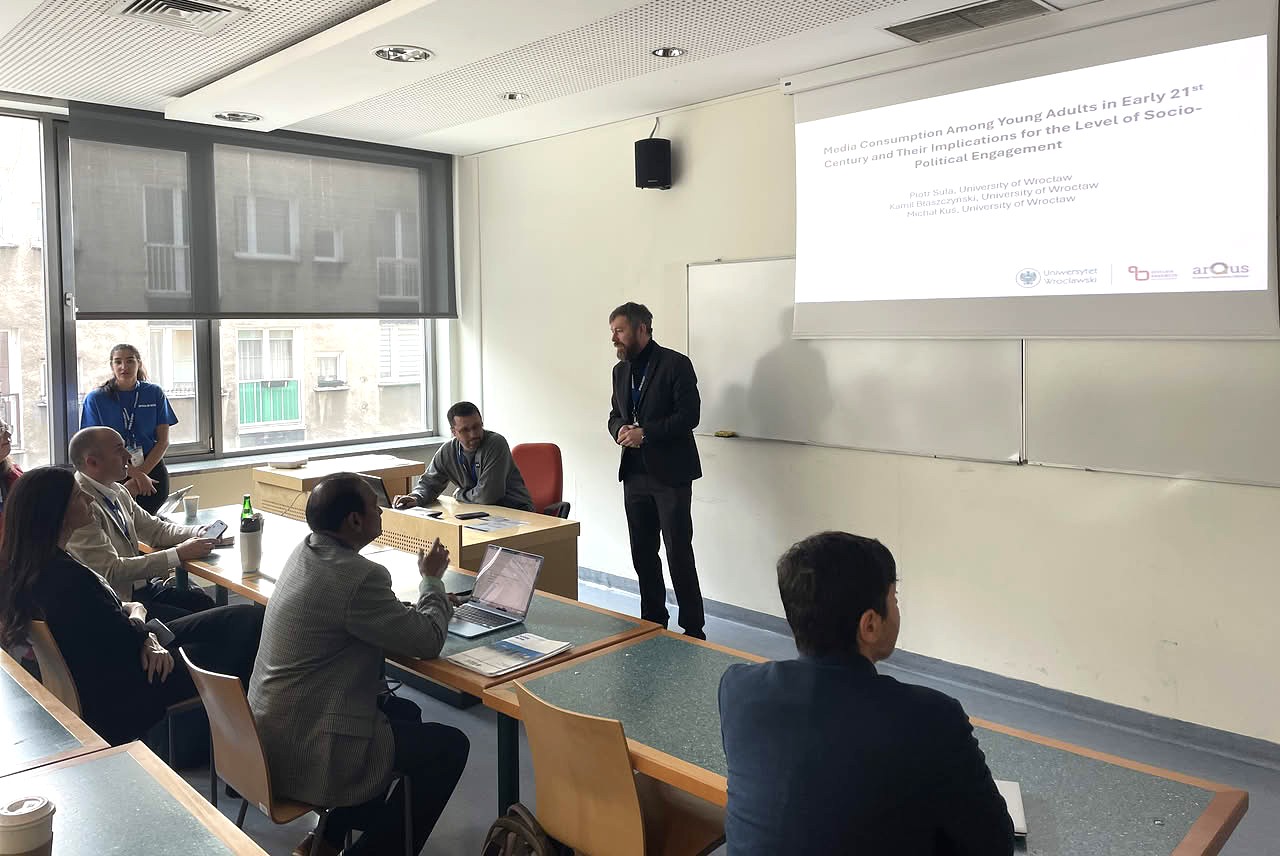
IPSA’s Regional Conference on the theme Resilience of Democracy in a Polarized World: Populism, Autocratization and Global Challenges continued on 15 October 2026 with a second day of engaging academic discussions.
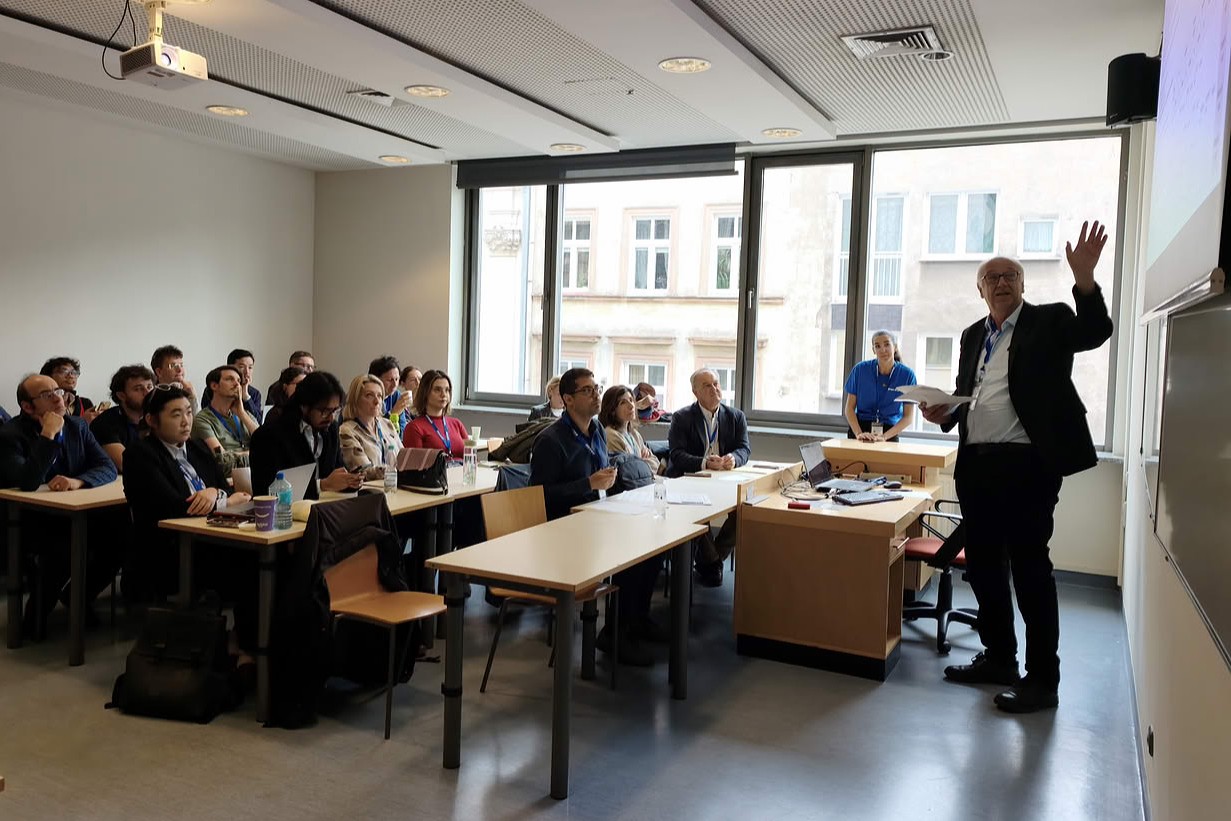
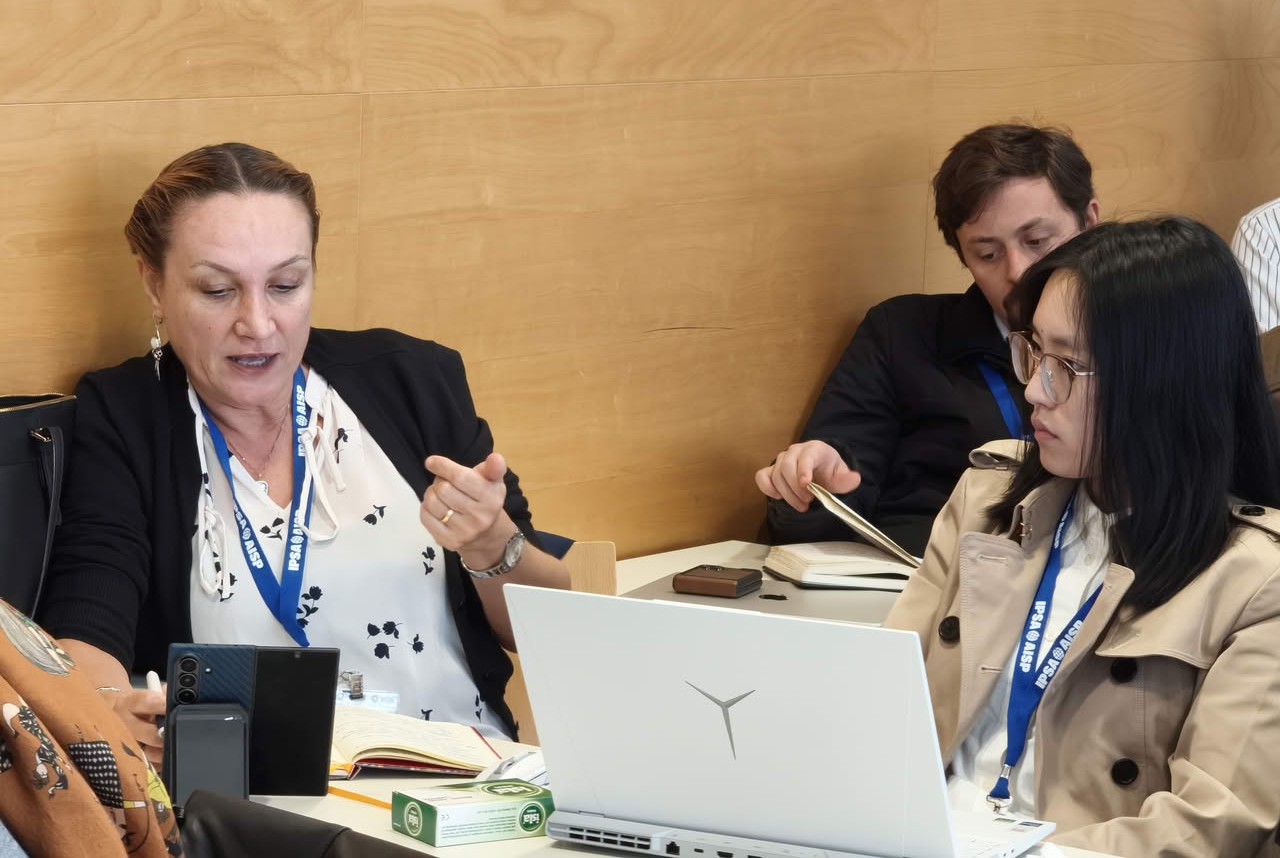
Populism, Polarization, Autocratization and Democratic Resilience
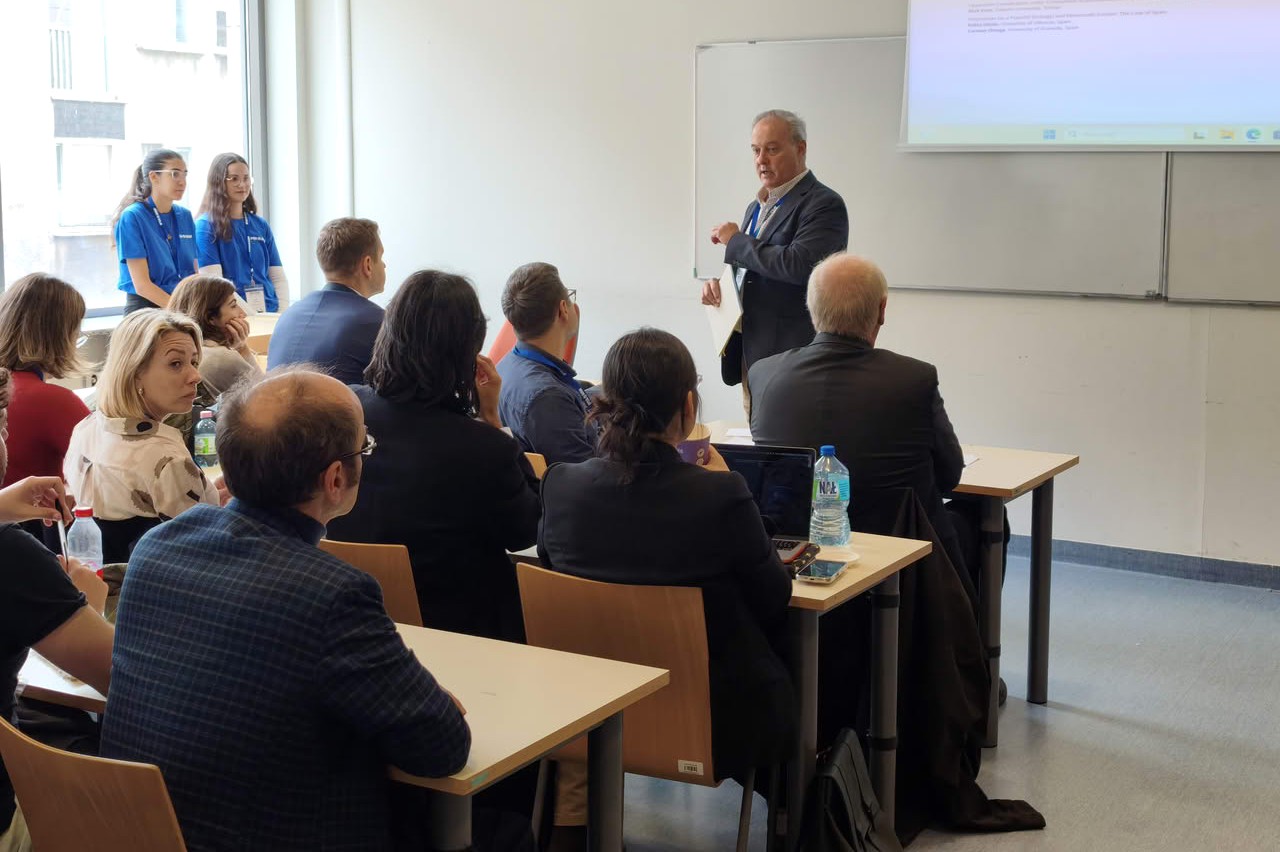
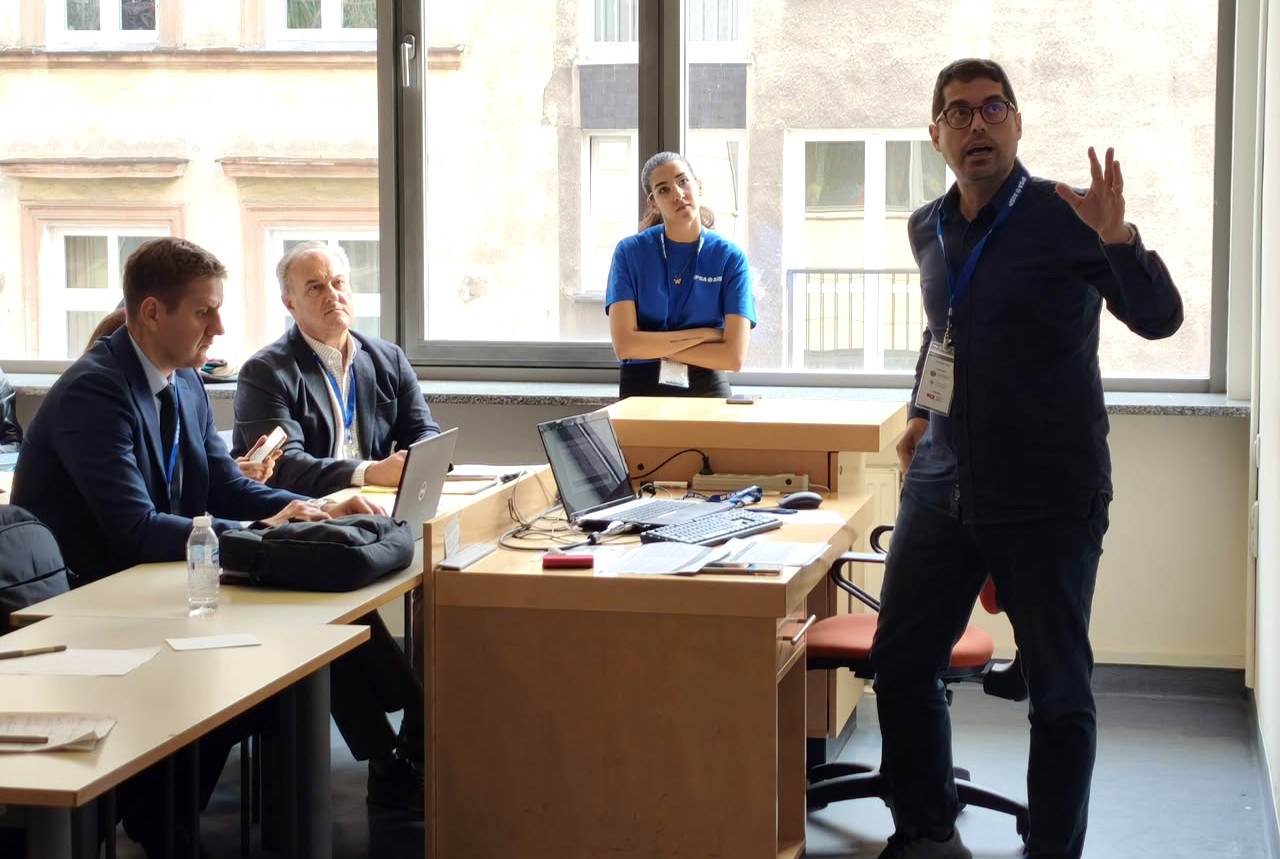
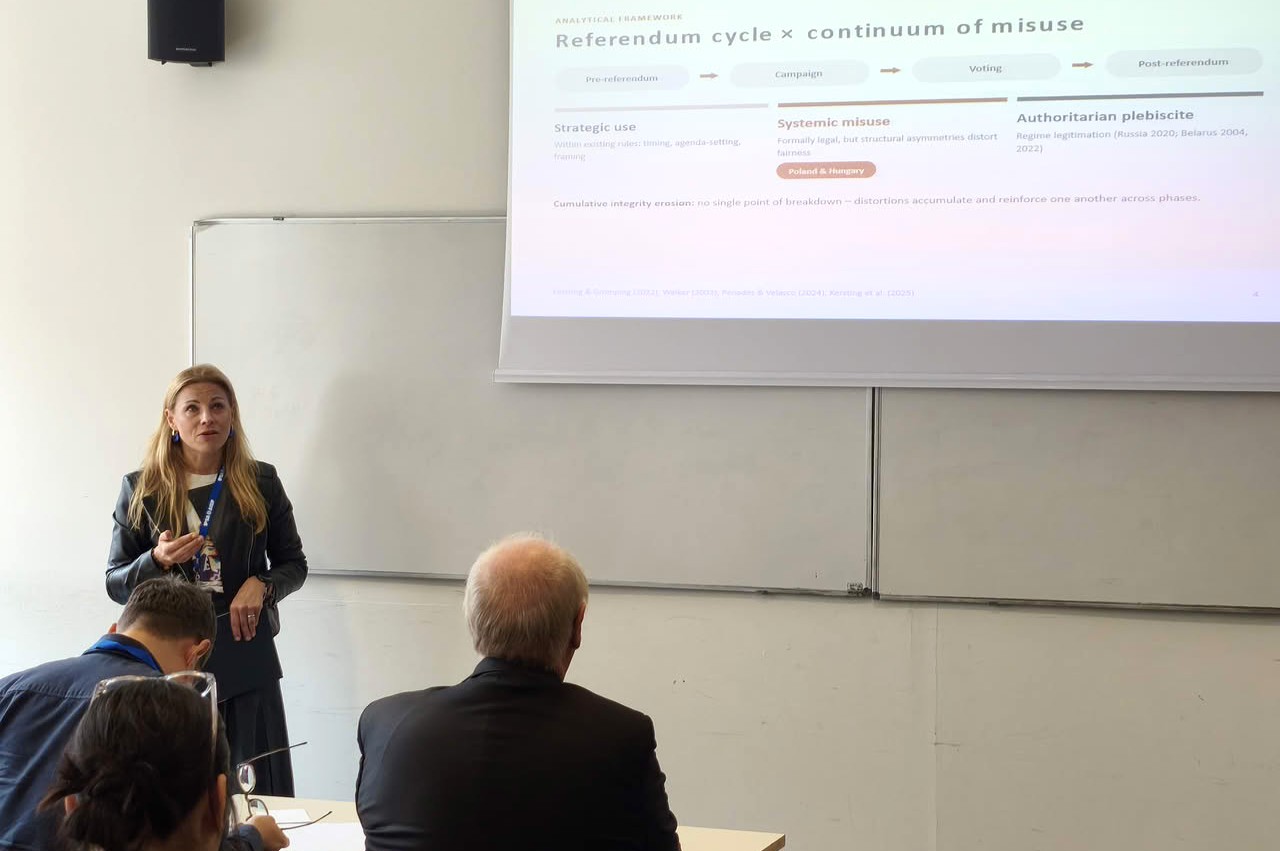
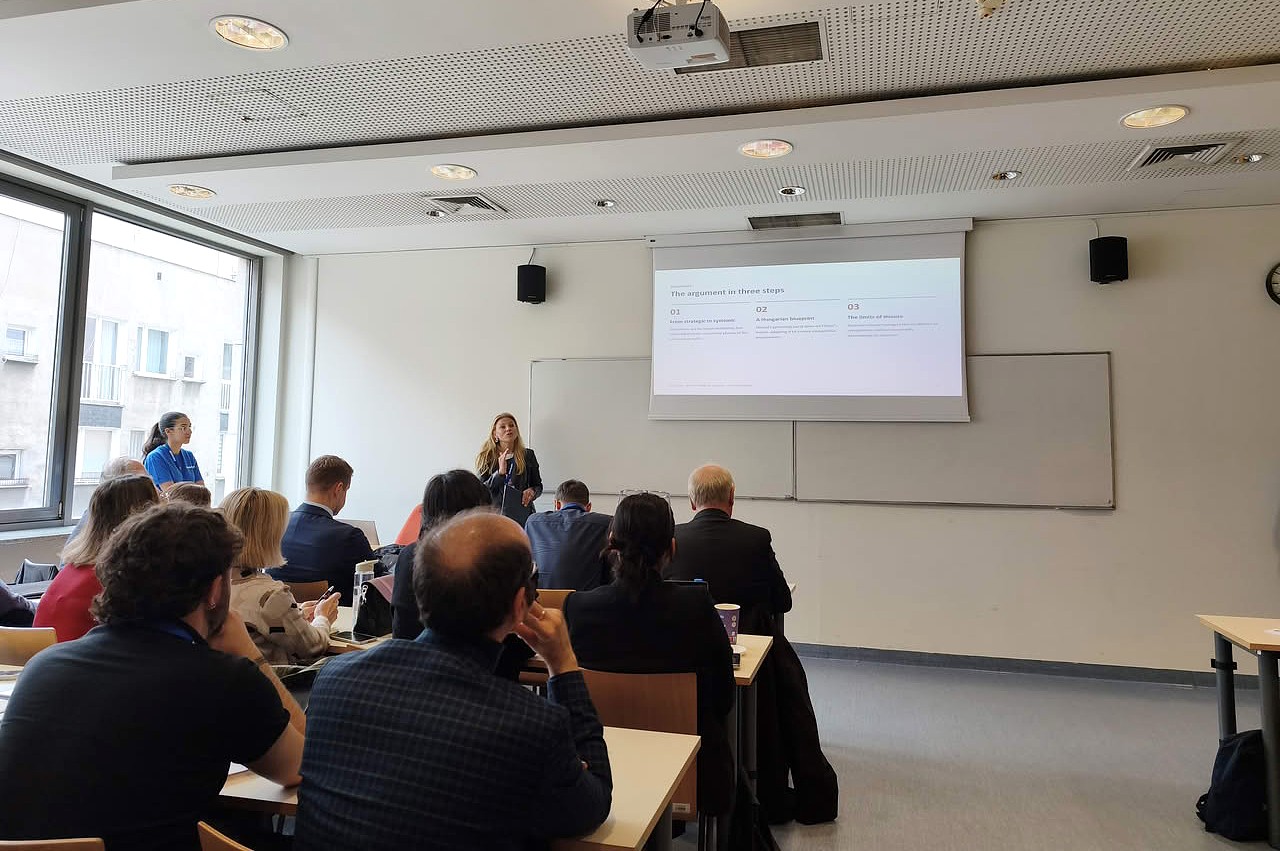
Chaired by IPSA Past President Pablo Oñate, the Populism, Polarization, Autocratization and Democratic Resilience panel brought together prominent scholars to examine contemporary challenges to democracy. The panel featured several IPSA Executive Committee members, including IPSA President-Elect Hasret Dikici Bilgin as a discussant, while IPSA Vice-President Magdalena Musial-Karg, EC member Berk Esen and IPSA Past President Pablo Oñate presented papers on populism, polarization, democratic erosion, referendums, and migration policy.
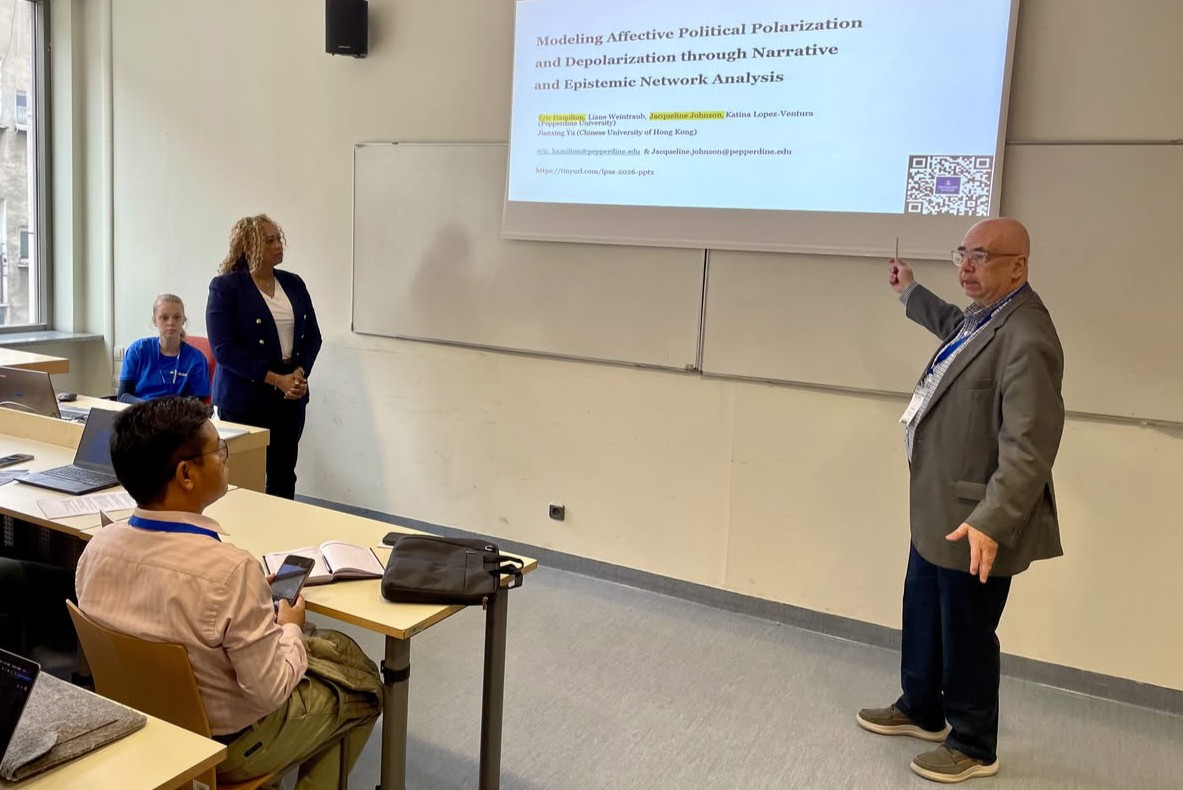
Political Polarization and Ideological Consolidation Panel
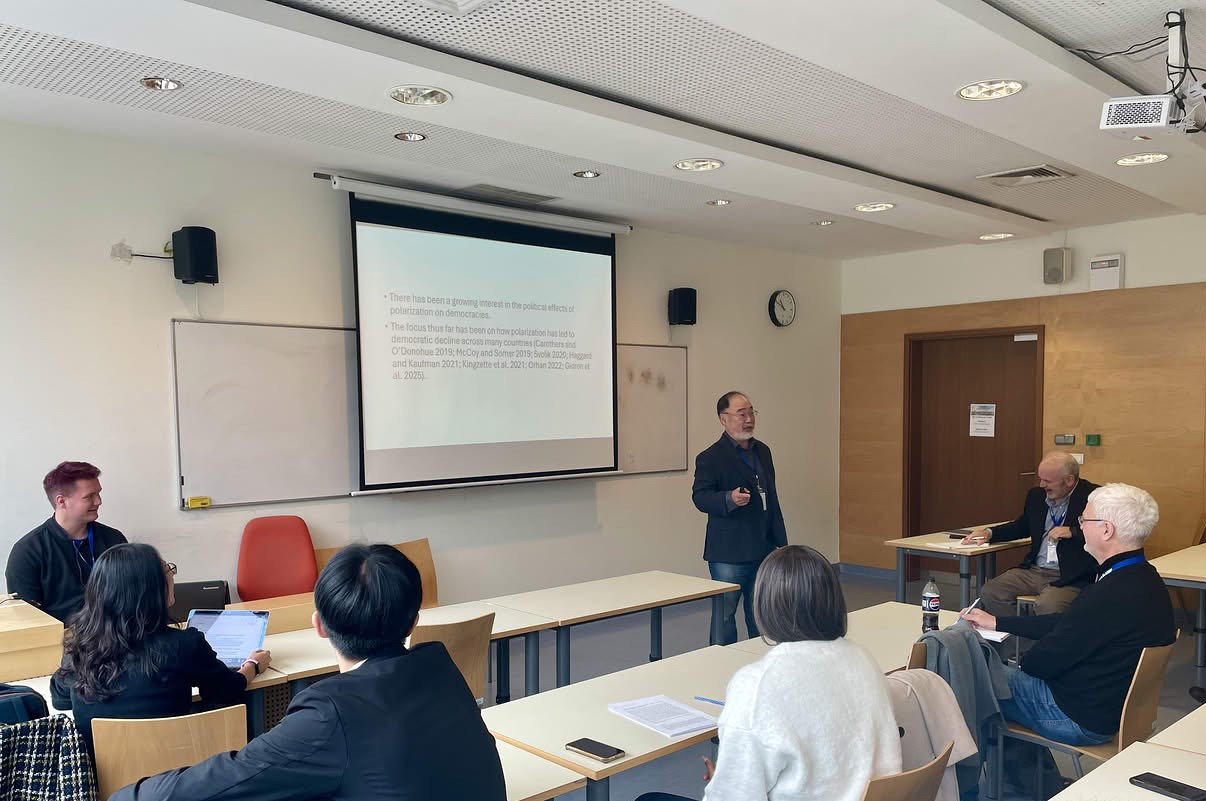
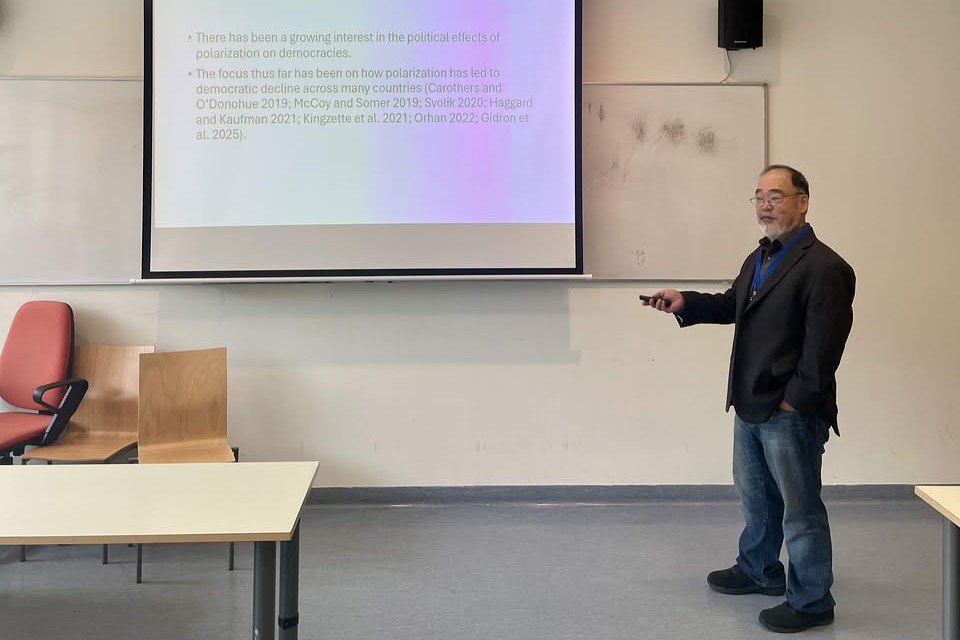
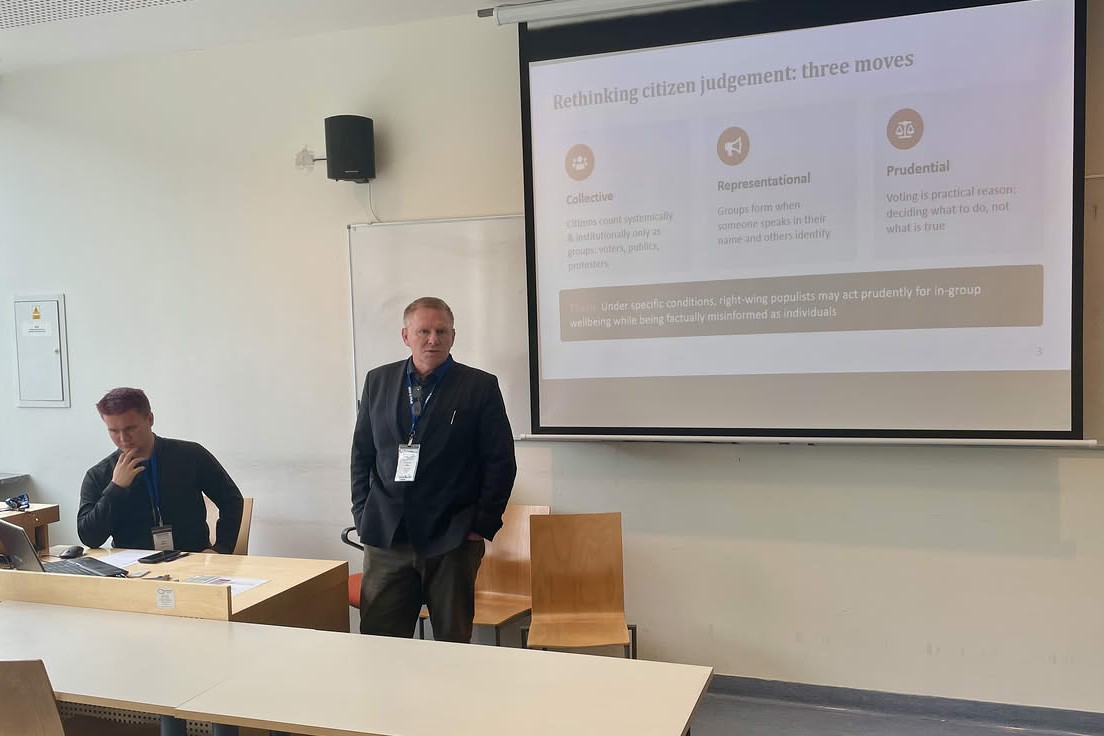
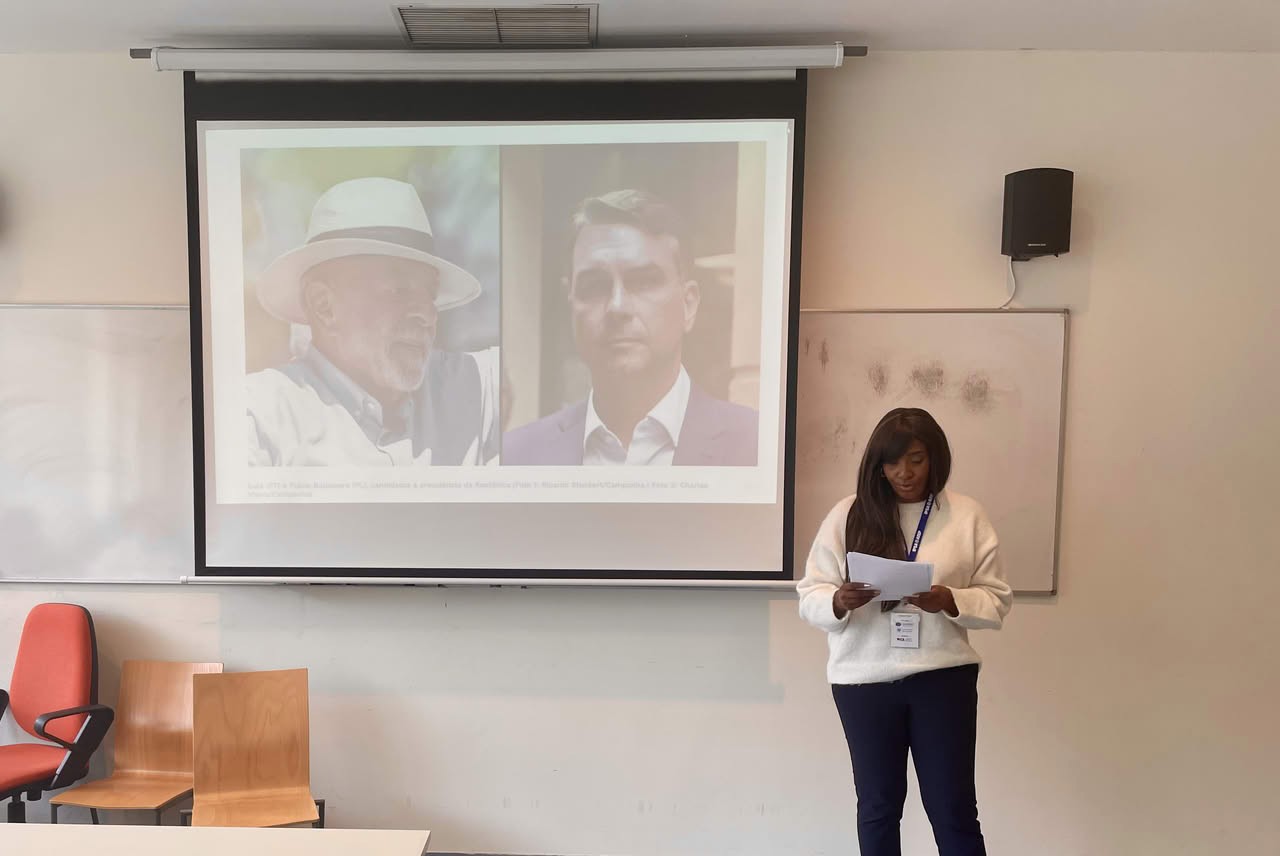
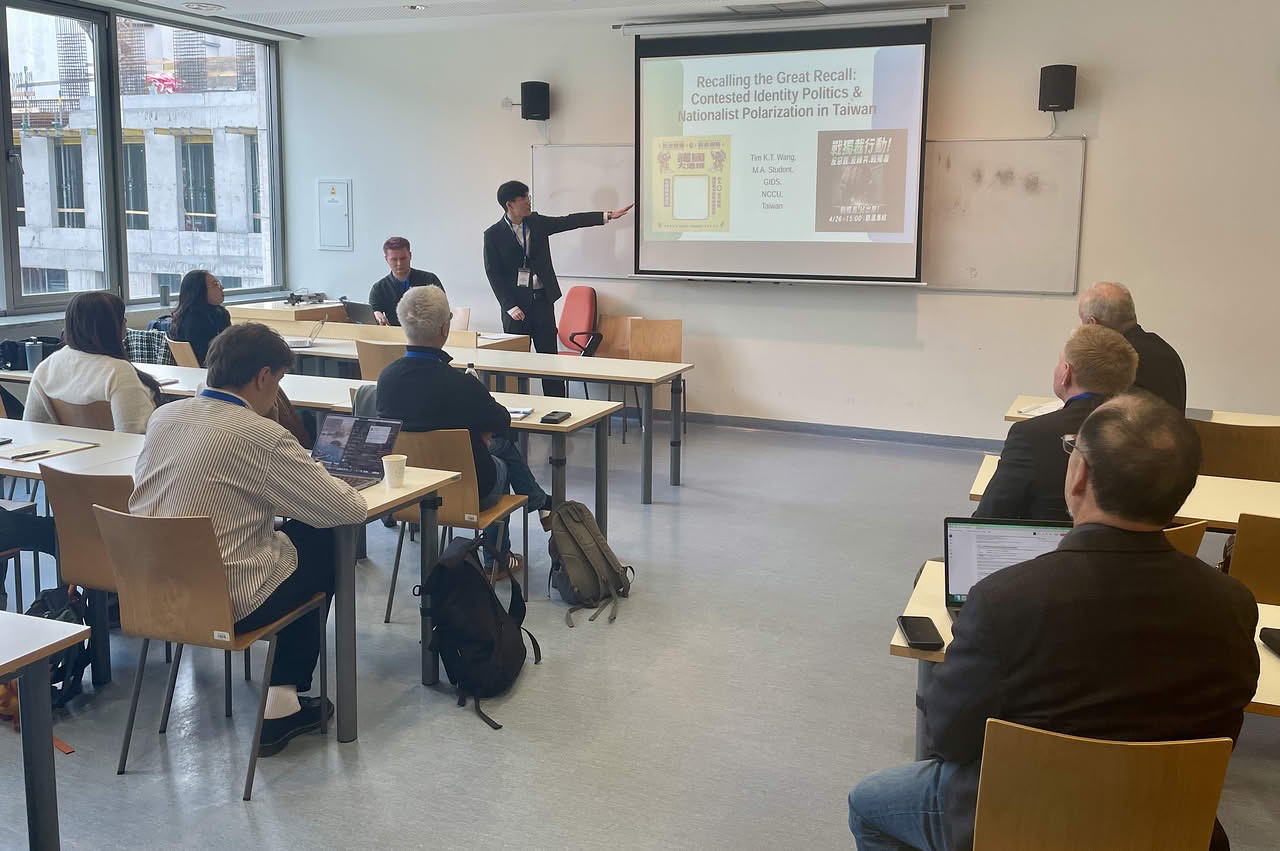
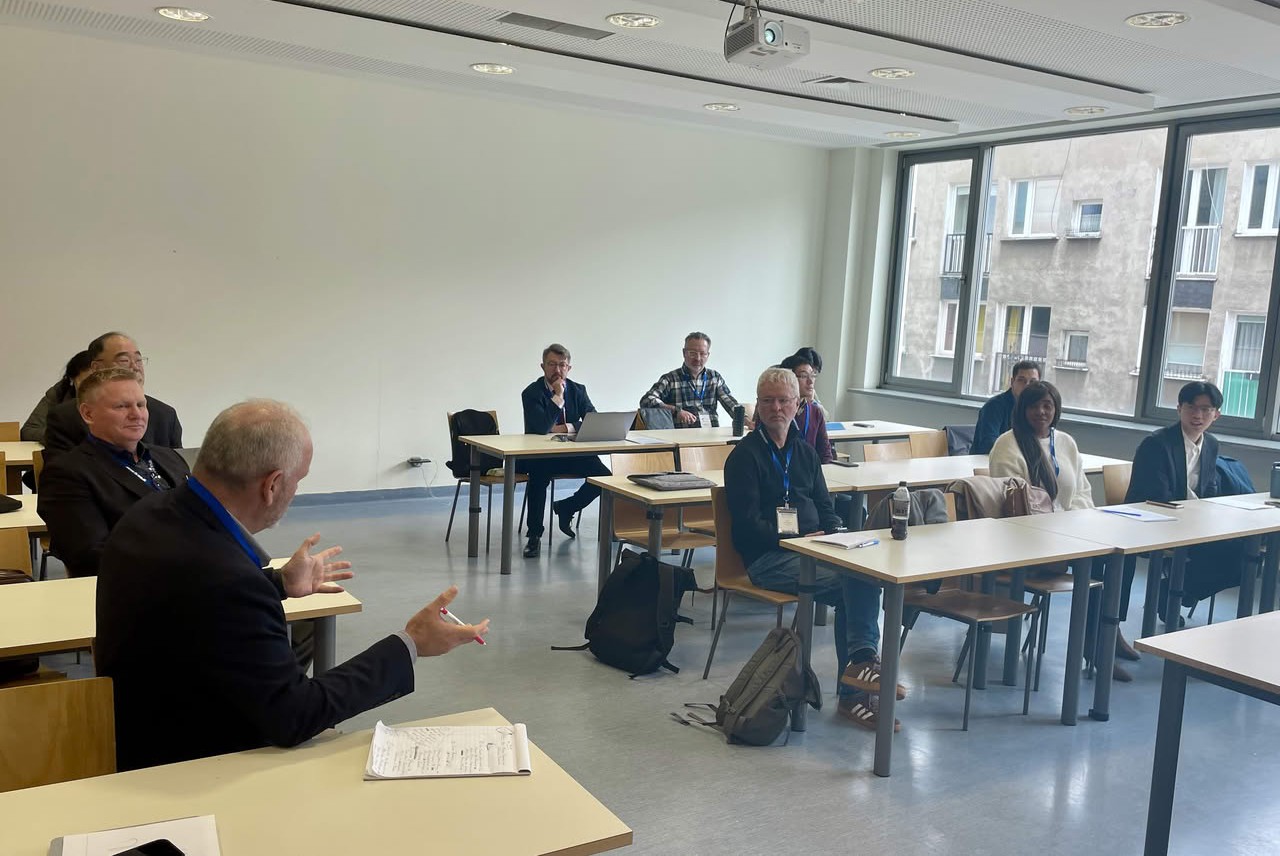
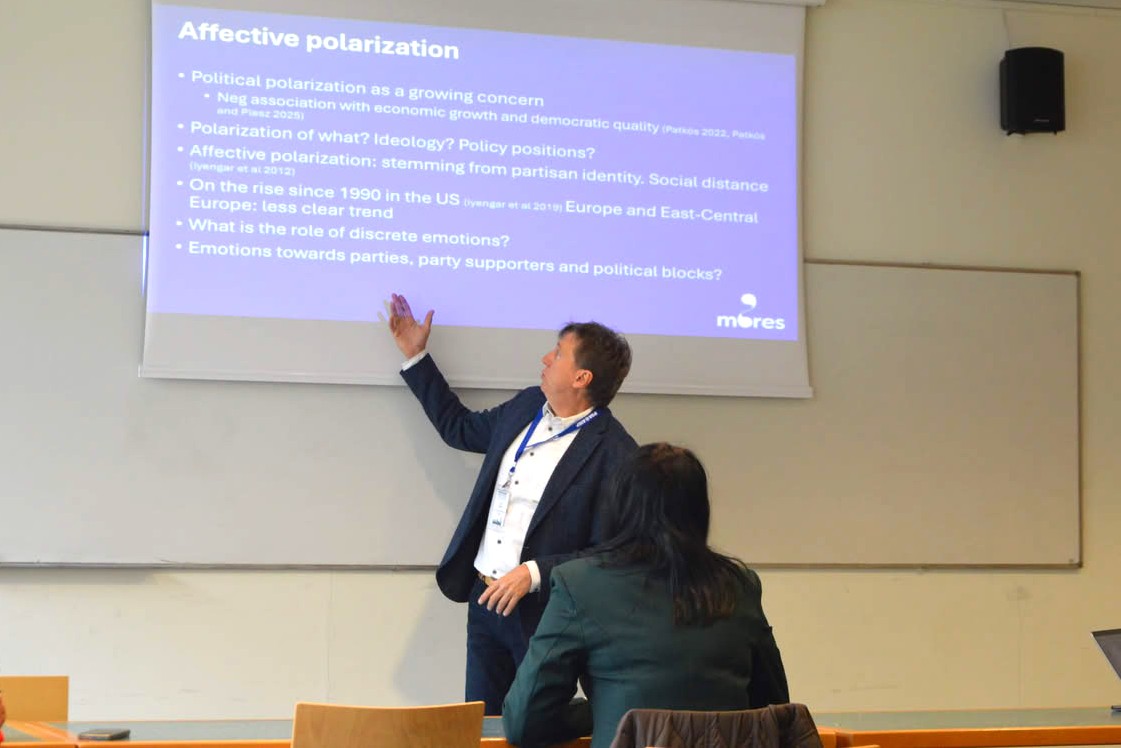
Chaired by John Forren (Miami University), the Political Polarization and Ideological Consolidation panel included IPSA EC members John Ishiyama and Laurence Piper, who presented their research papers.
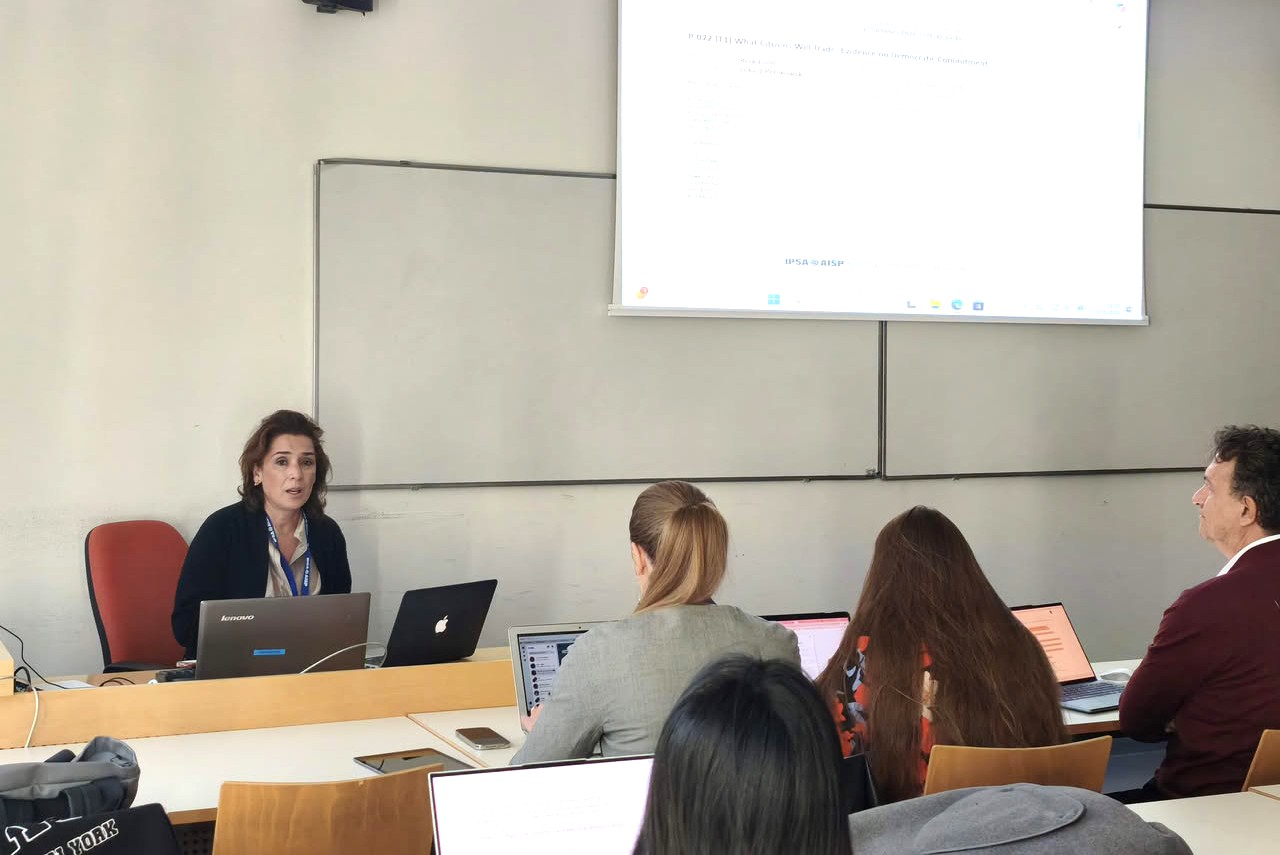
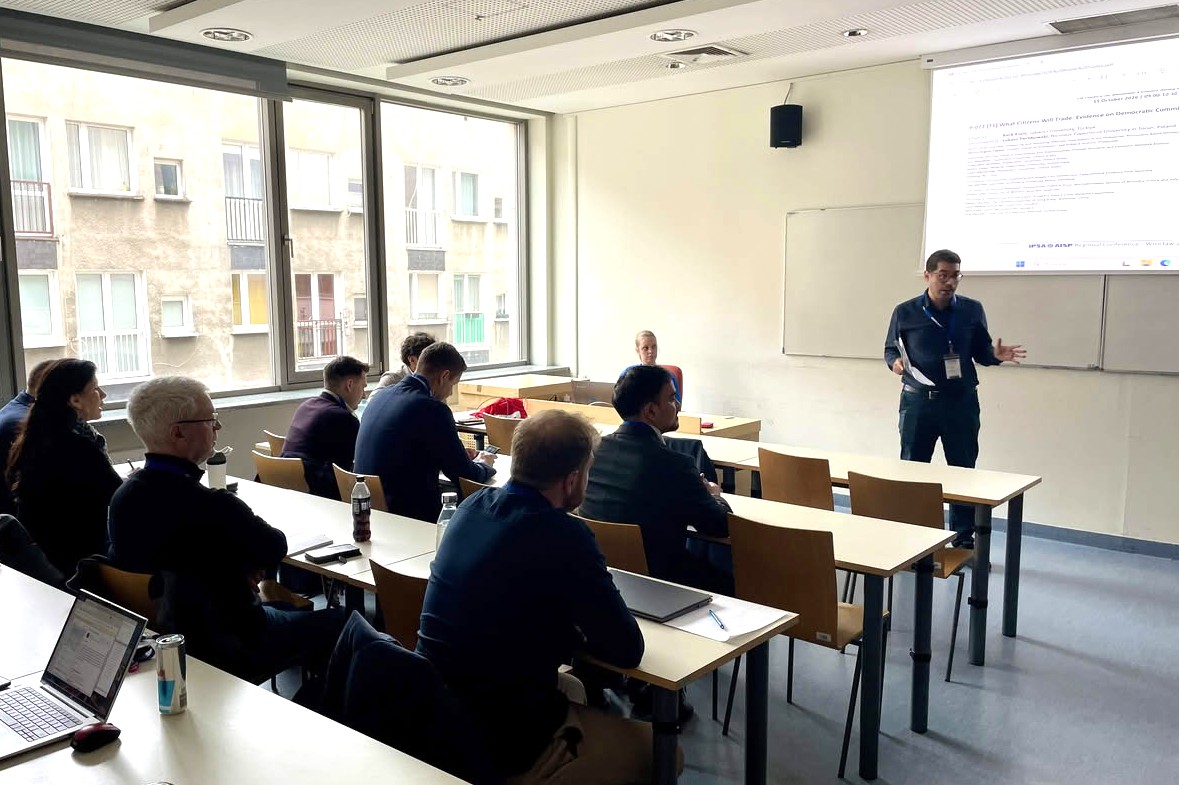
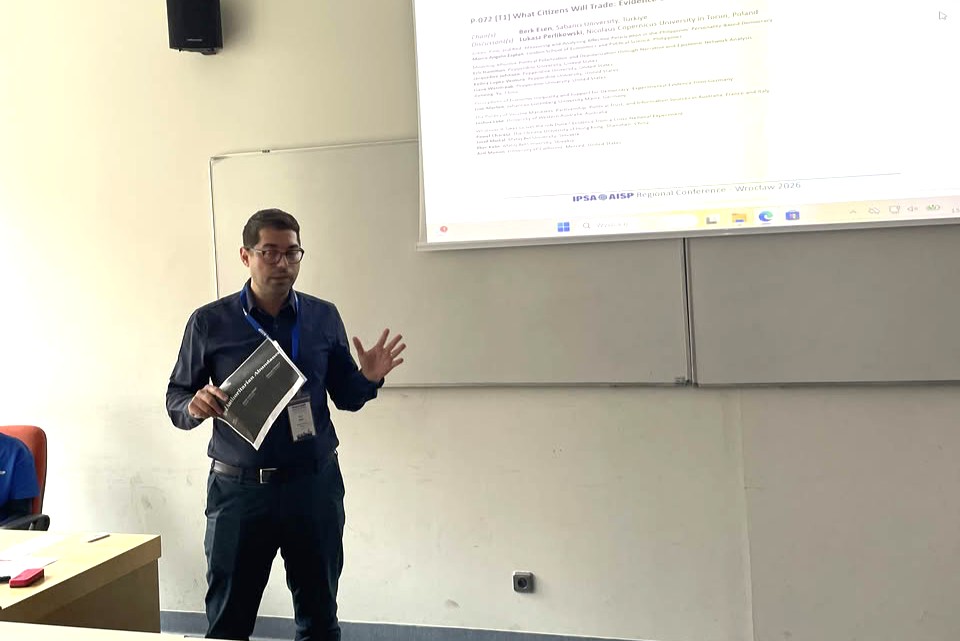
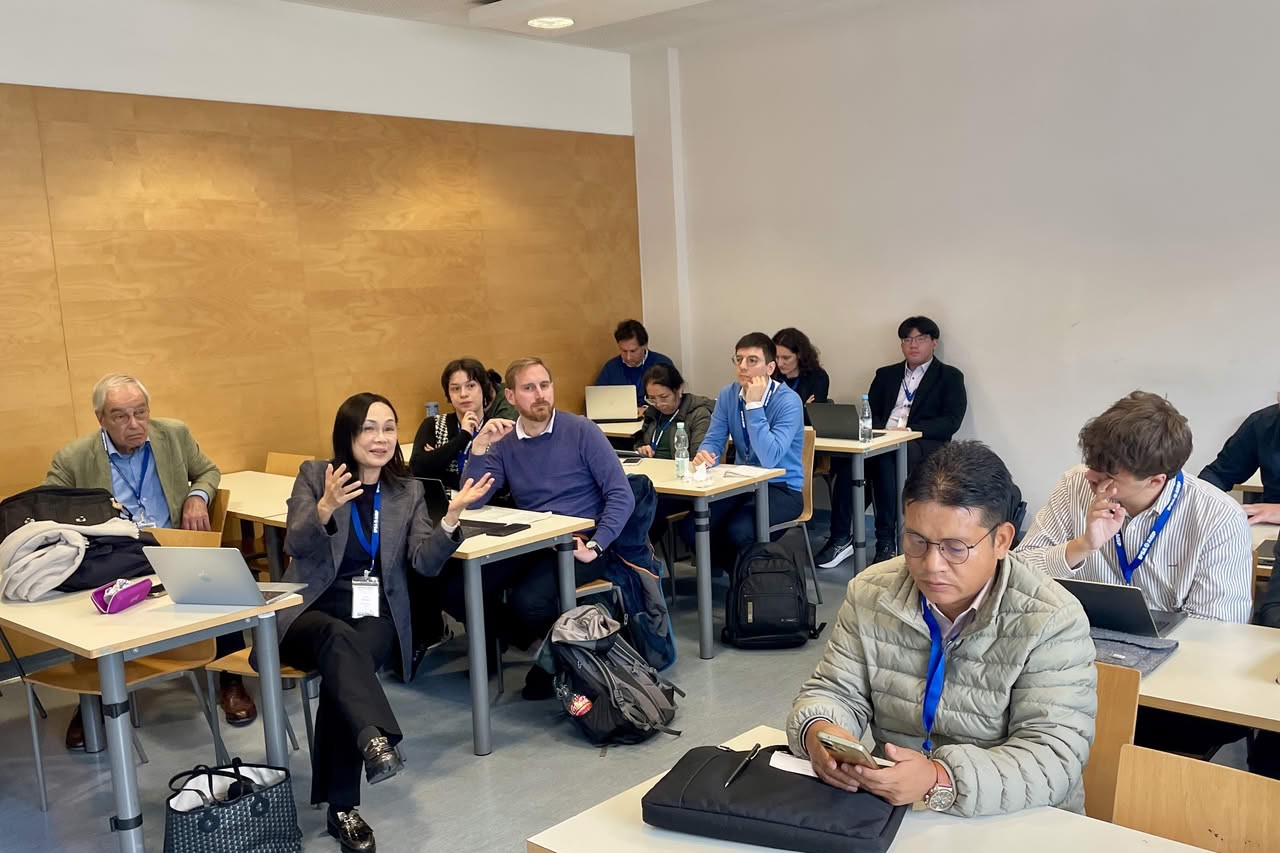
What Citizens Will Trade: Evidence on Democratic Commitment Panel
IPSA EC member Berk Esen chaired the What Citizens Will Trade: Evidence on Democratic Commitment panel, which brought together researchers examining the factors shaping citizens’ commitment to democracy.
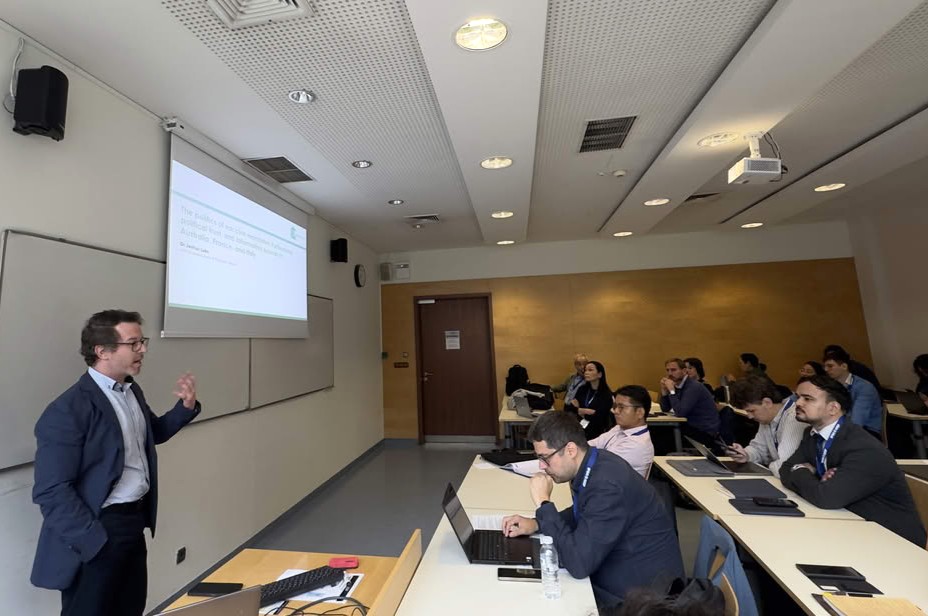
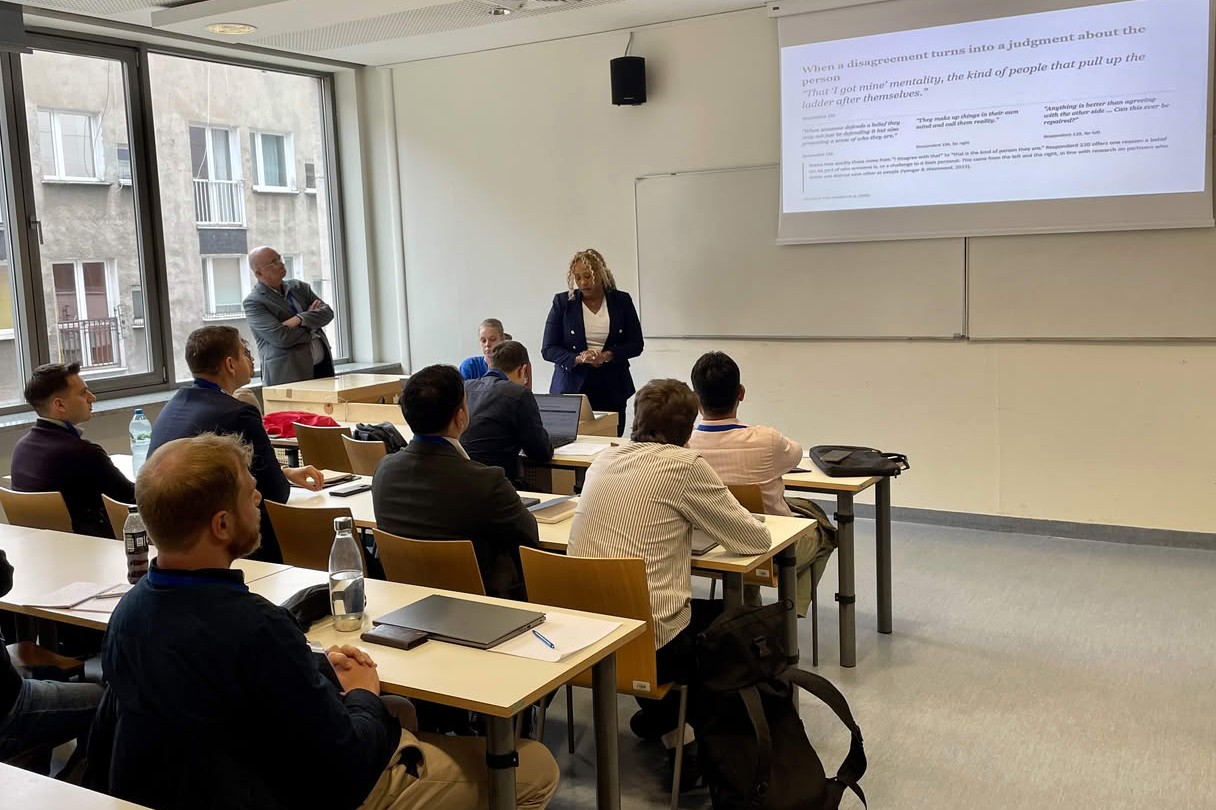
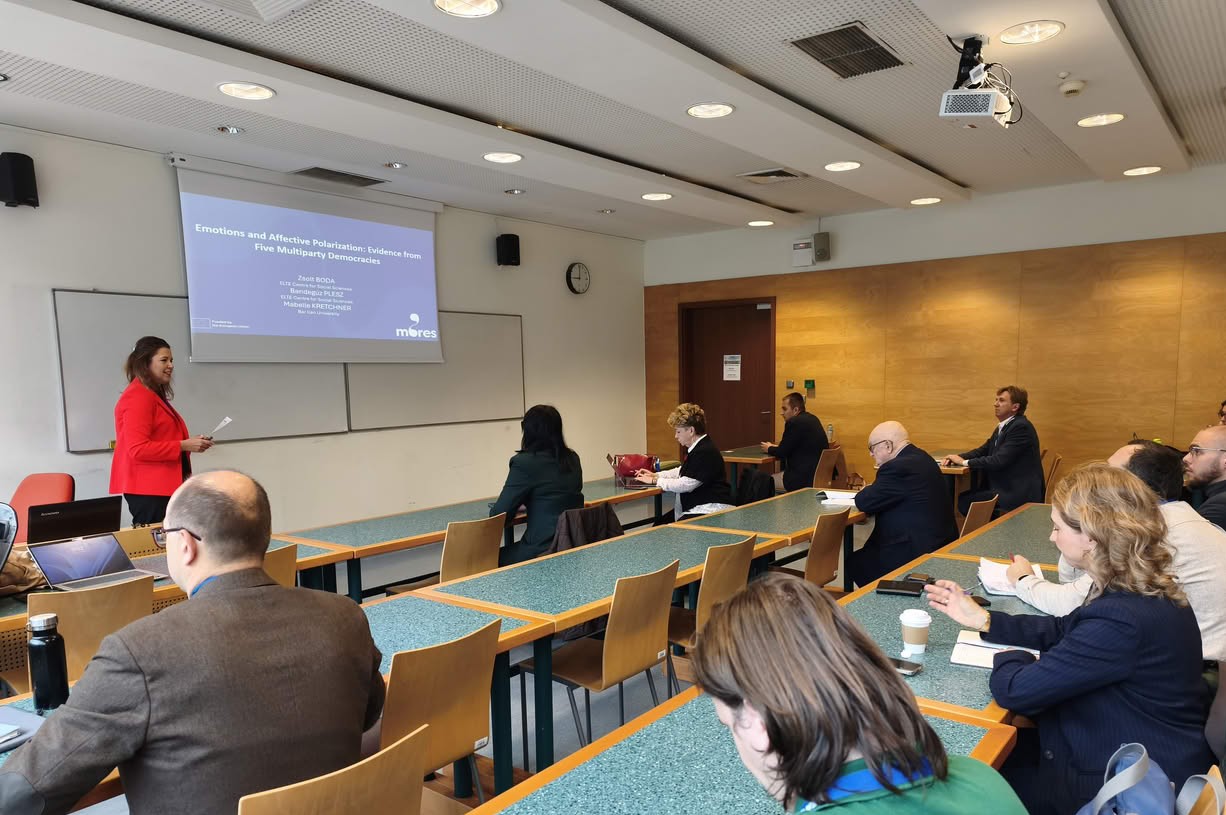
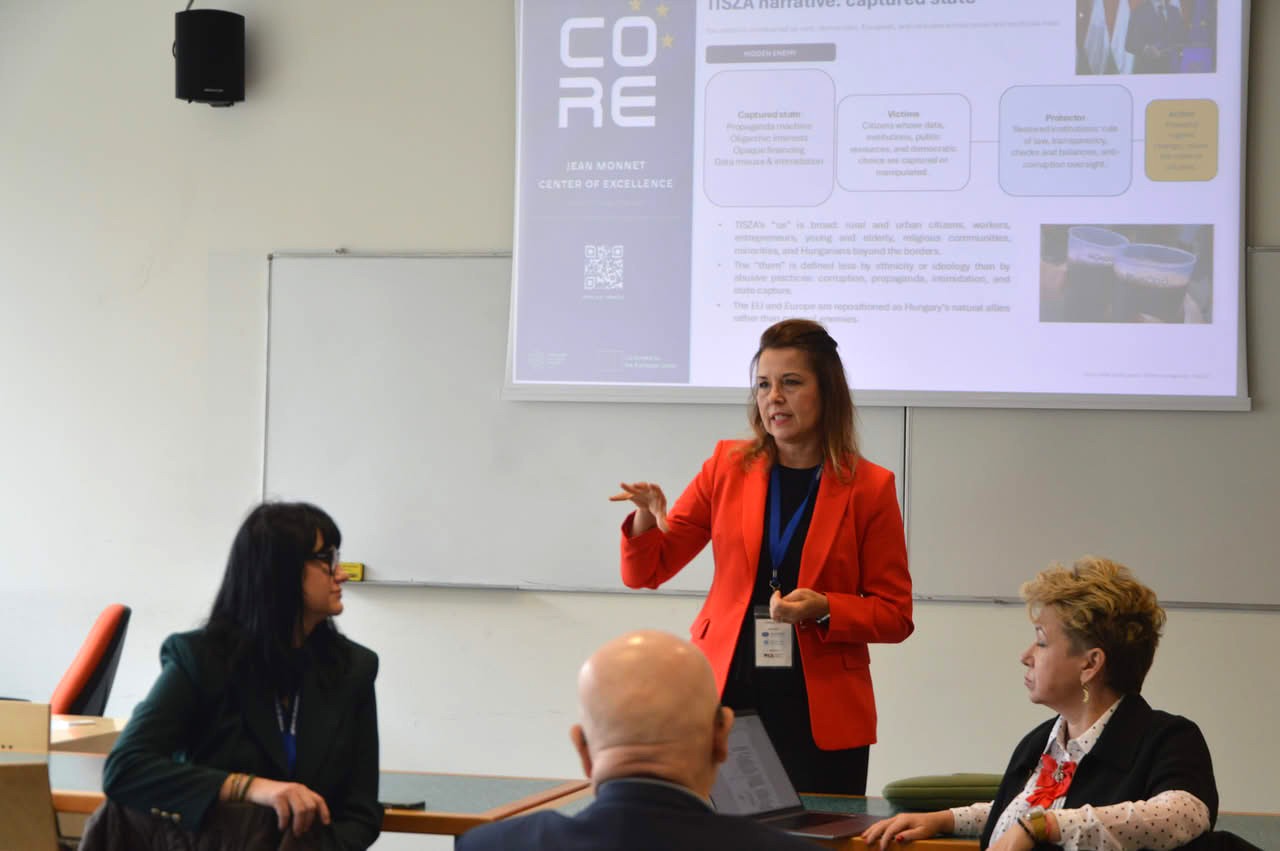
Democratic Resilience and Processes of Autocratization in Central and Eastern Europe and Beyond Panel
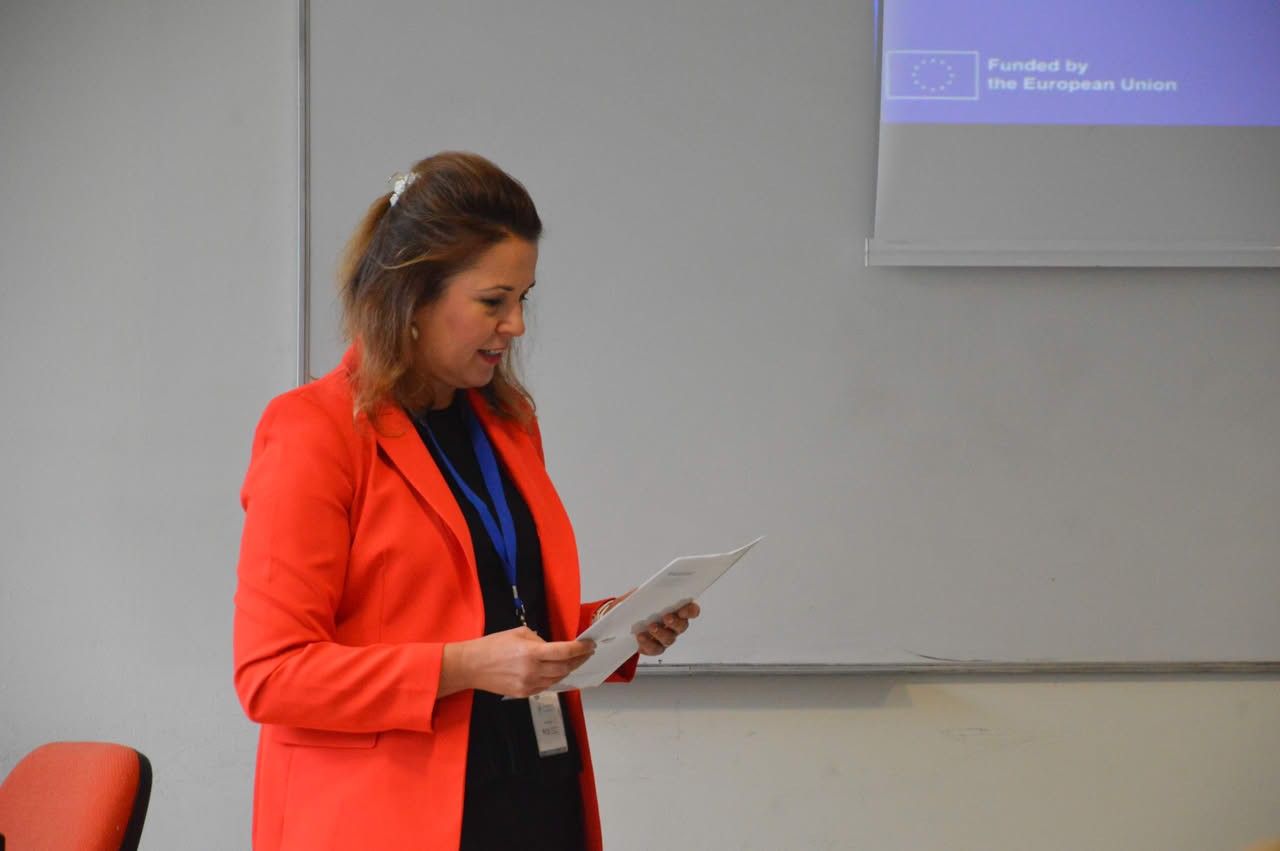
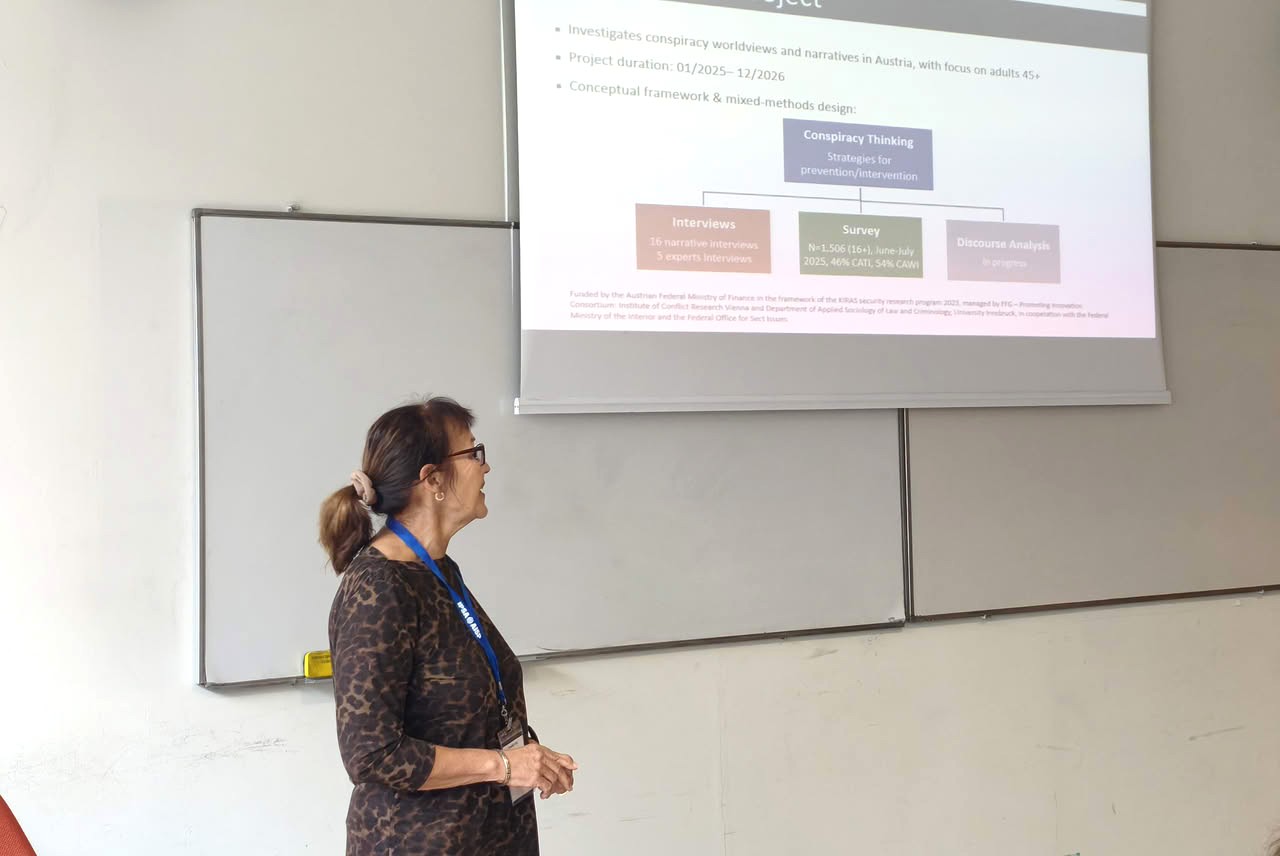
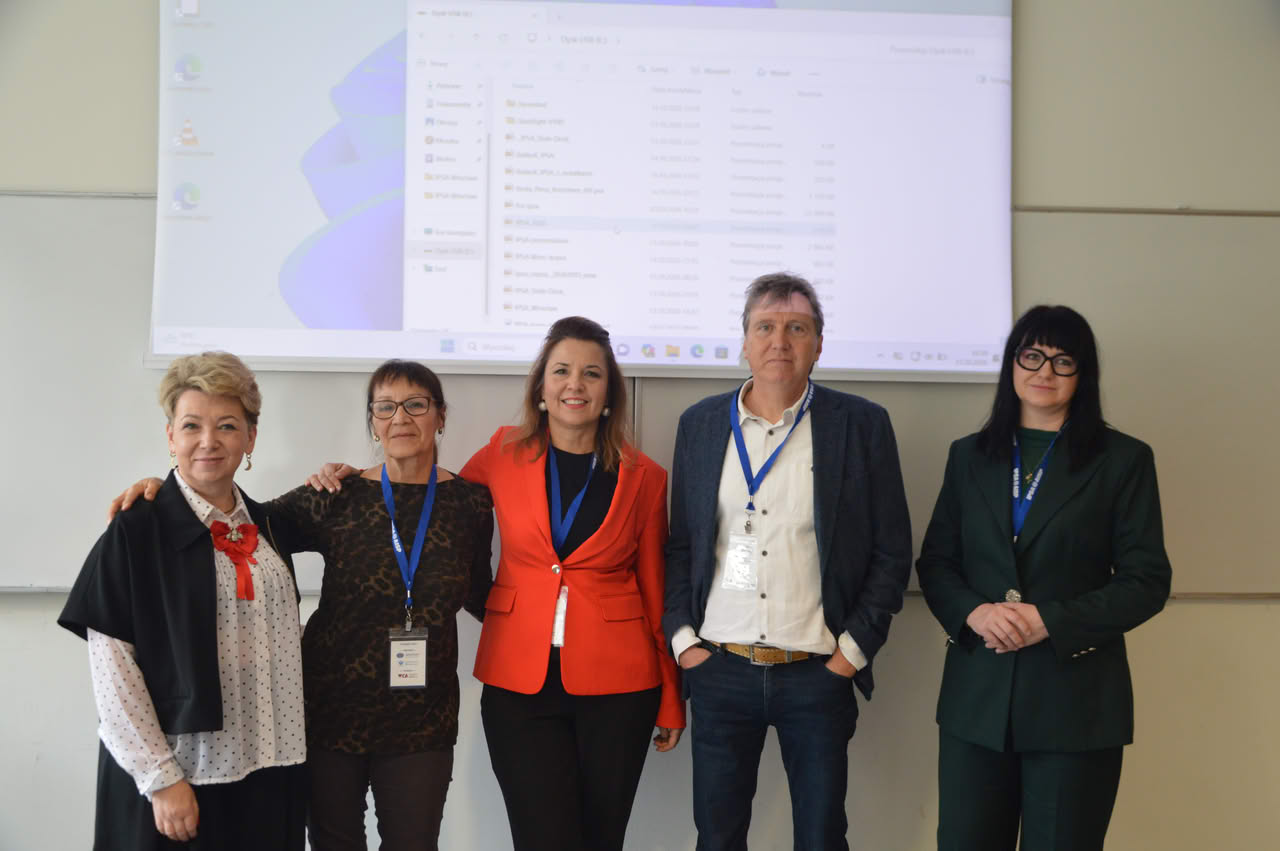
As part of the growing collaboration between IPSA and the Central European Political Science Association (CEPSA), a LOC panel was organized by CEPSA on Democratic Resilience and Processes of Autocratization in Central and Eastern Europe and Beyond. Chaired by CEPSA President Boglárka Koller, the panel featured CEPSA Vice-President Agnieszka Kasińska-Metryka as a discussant, alongside contributions from scholars examining democratic innovations, political mobilization, and democratic responses to autocratization.
Closing Remarks
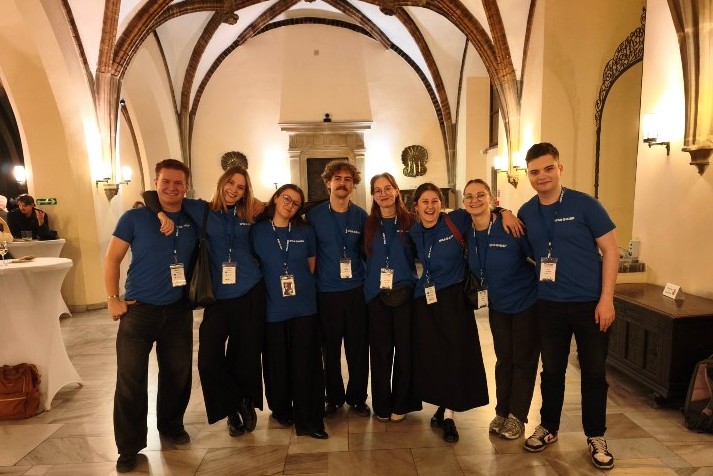
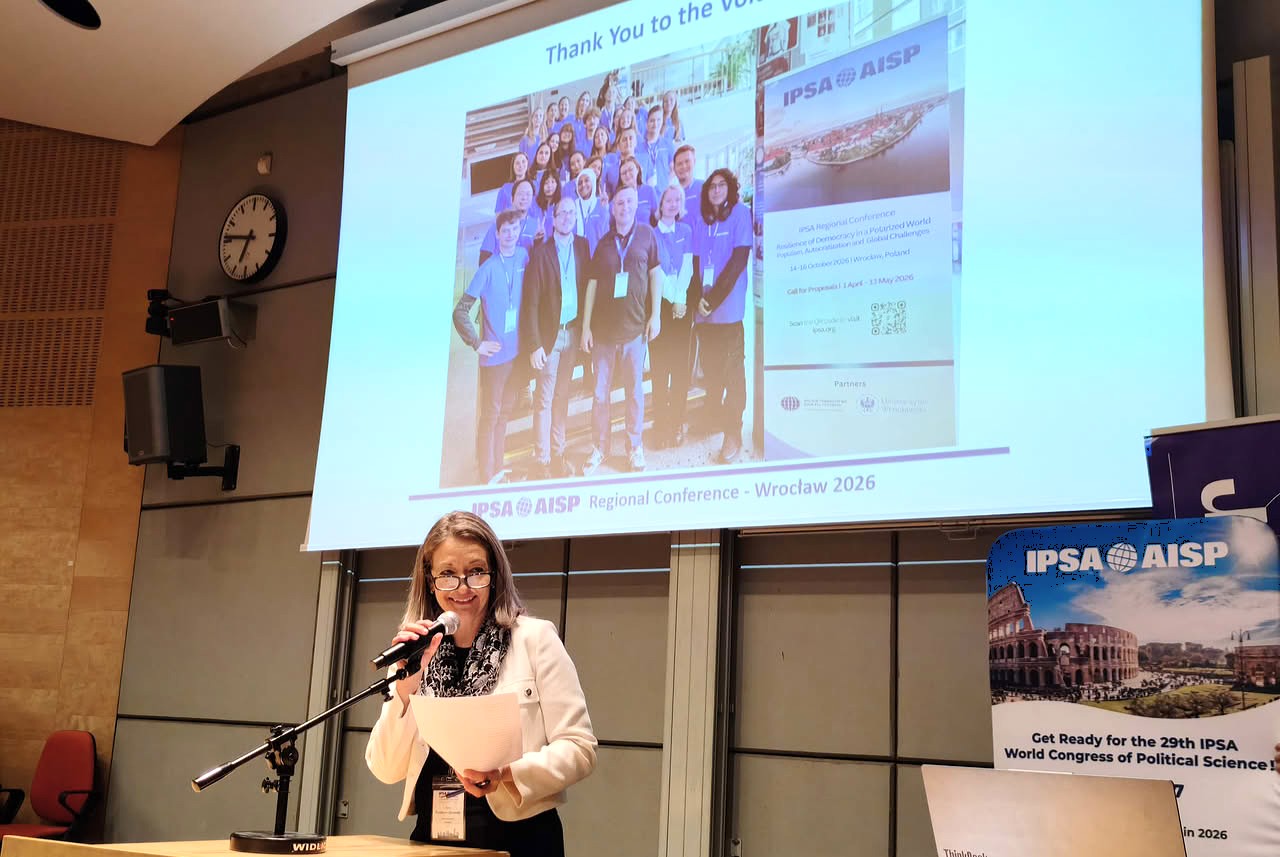
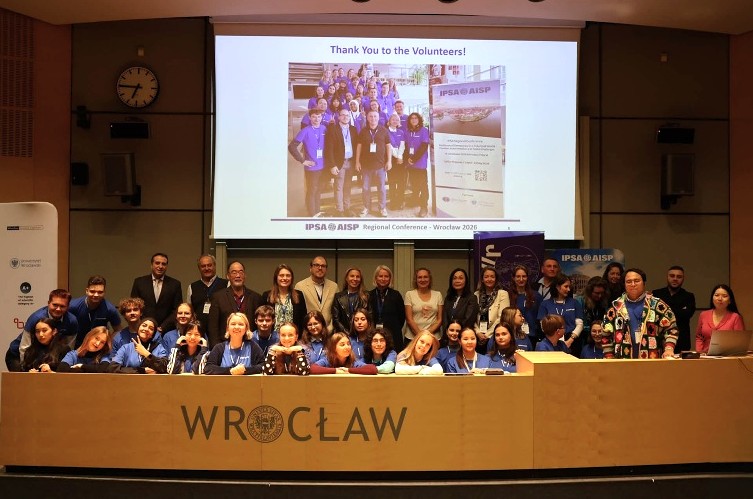
IPSA’s Regional Conference in Wrocław officially concluded with closing remarks from Kim Fontaine-Skronski (Executive Director), Yuko Kasuya (IPSA President and Program Co-Chair), Magdalena Musiał-Karg (IPSA Vice-President and Program Co-Chair), Magdalena Ratajczak (Dean of the Faculty of Social Sciences, Wrocław University), and Piotr Sula (Deputy Dean of the Faculty of Social Sciences, Wrocław University). The speakers thanked participants for their contributions, reflected on the success of the conference, and invited them to the 2027 IPSA World Congress of Political Science in Rome. We would like to thank our 31 student volunteers for their hard work and dedication. They worked tirelessly throughout the three days and provided valuable assistance to delegates, contributing to the success of the conference. During the Closing Remarks, they were invited on stage to be recognized and to take a group photo.
Polarization and the Foundations of Democratic Cooperation Panel
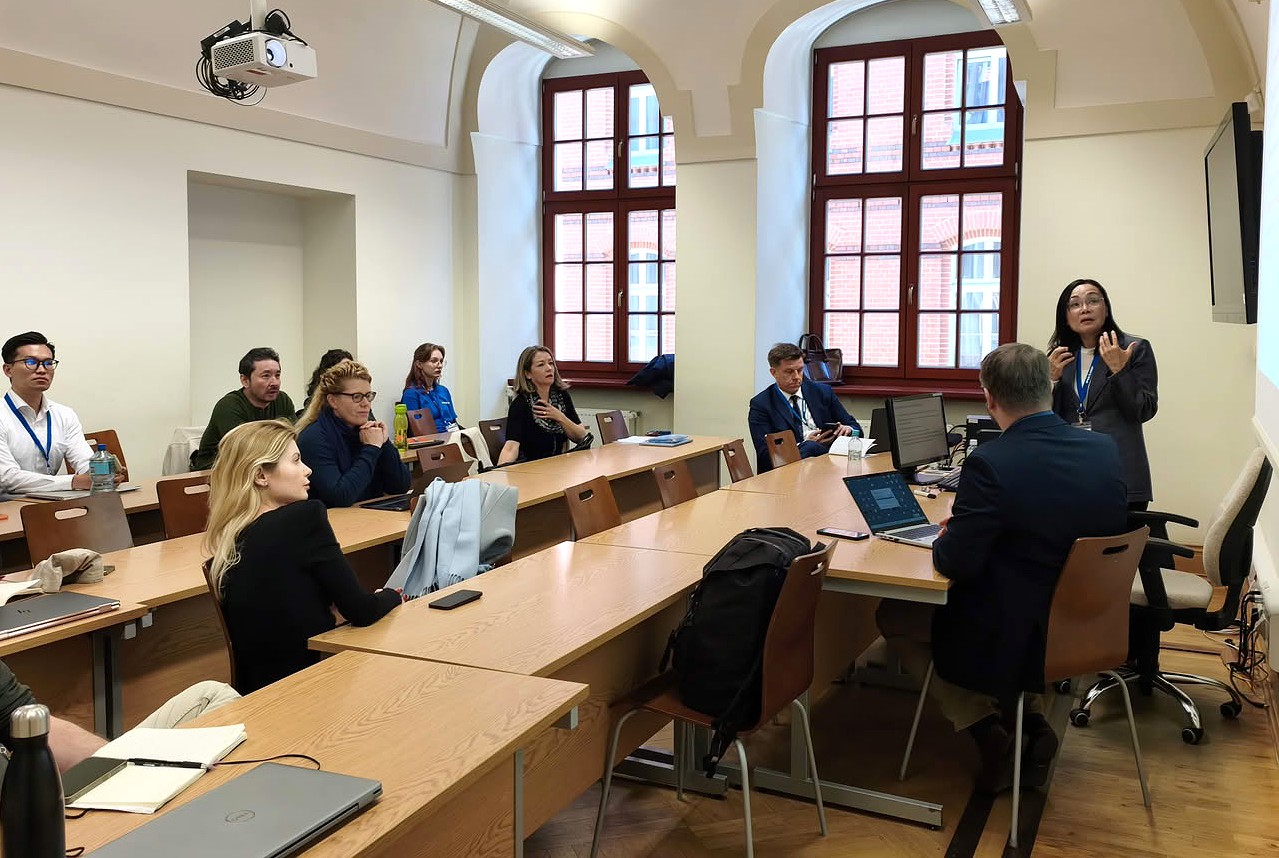
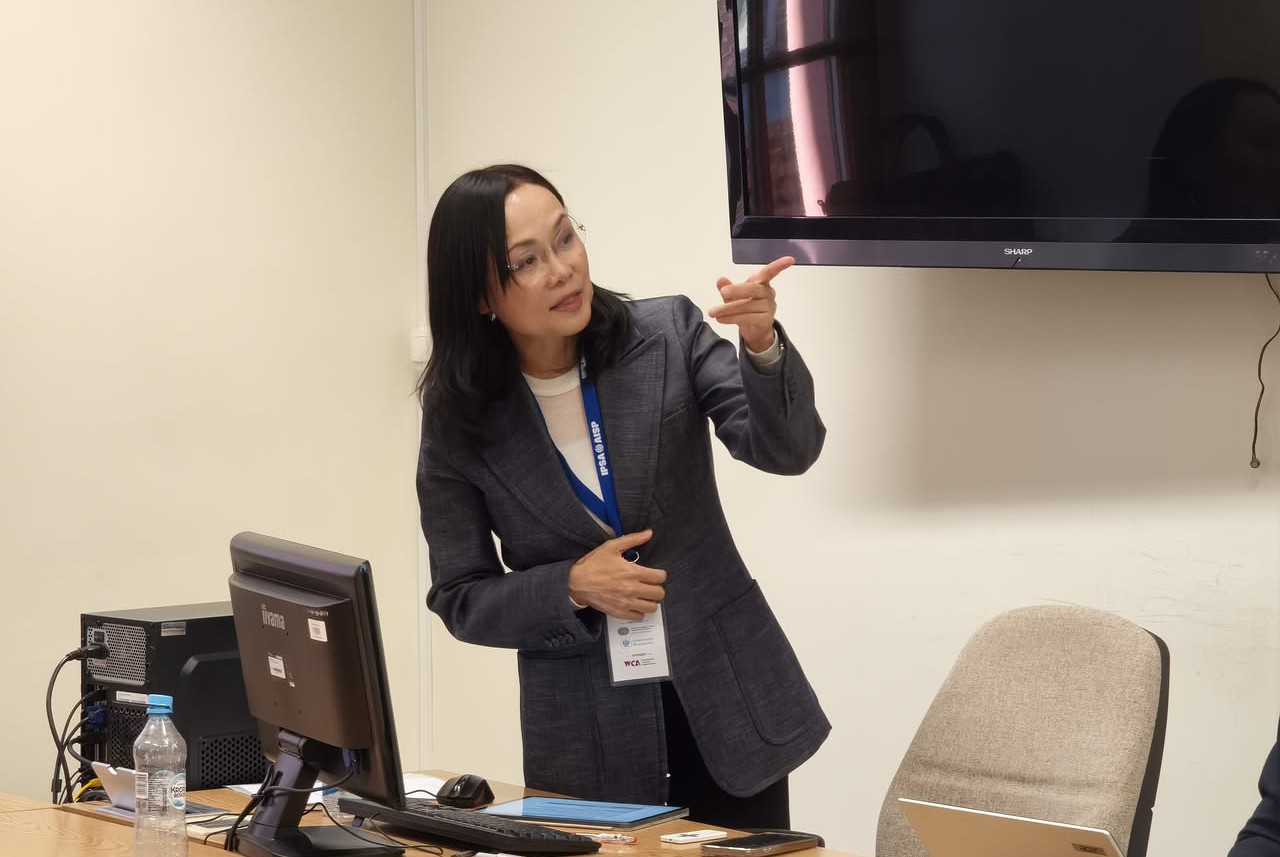
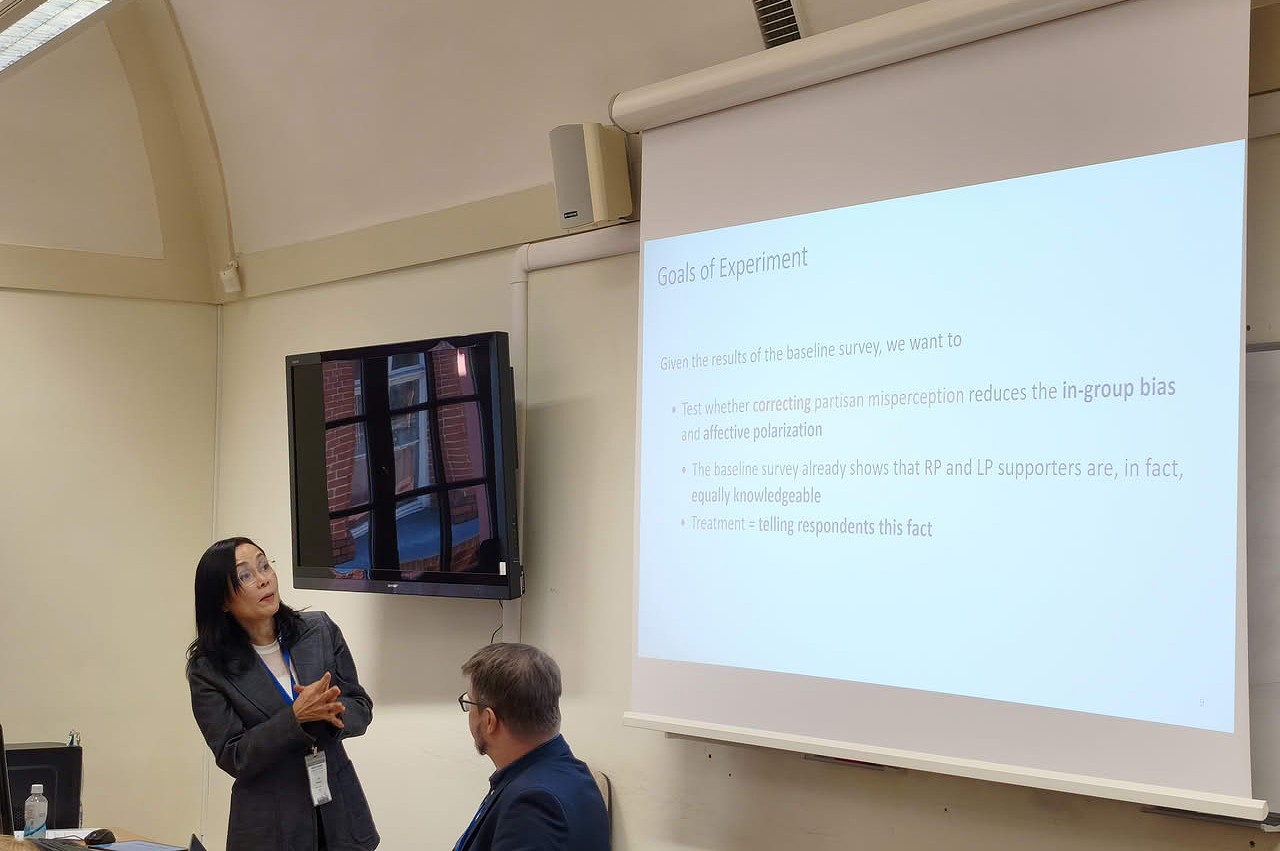
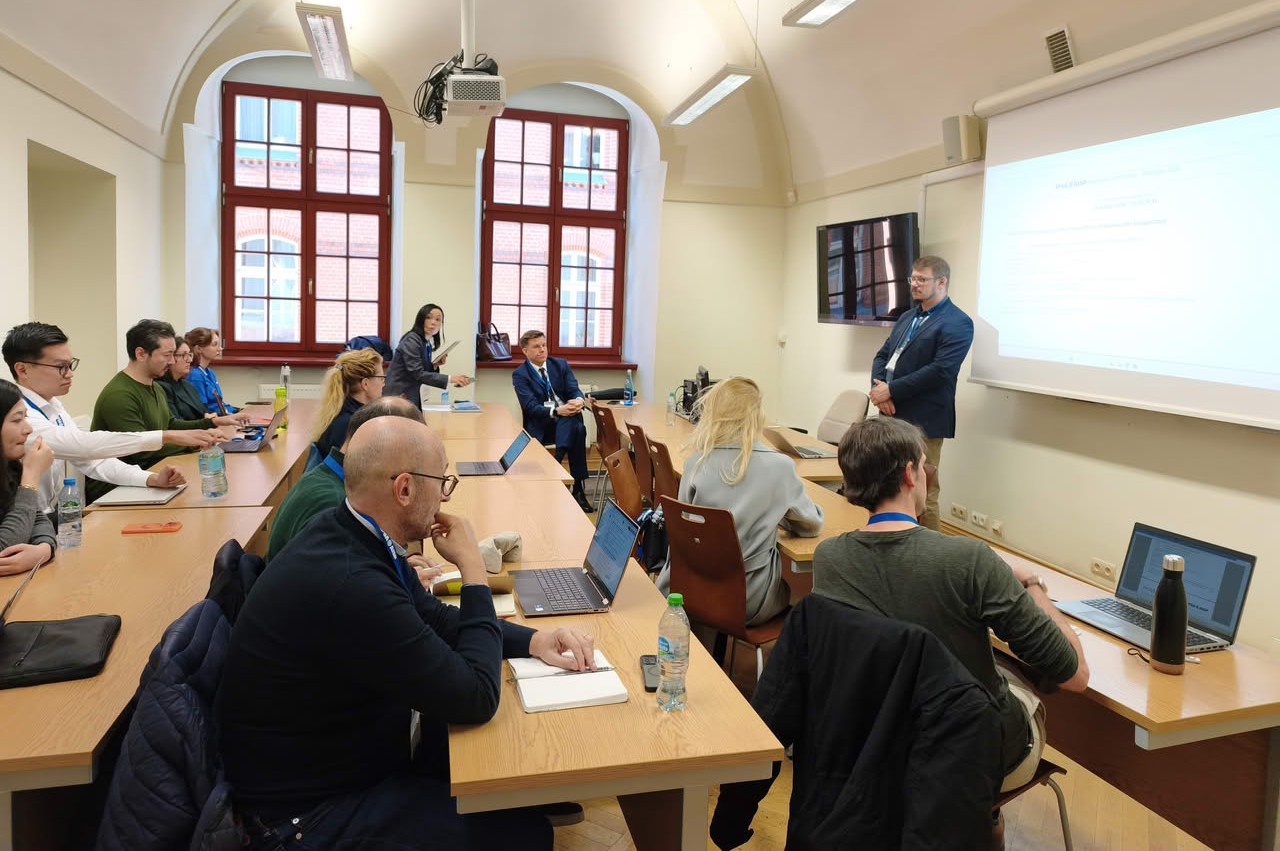
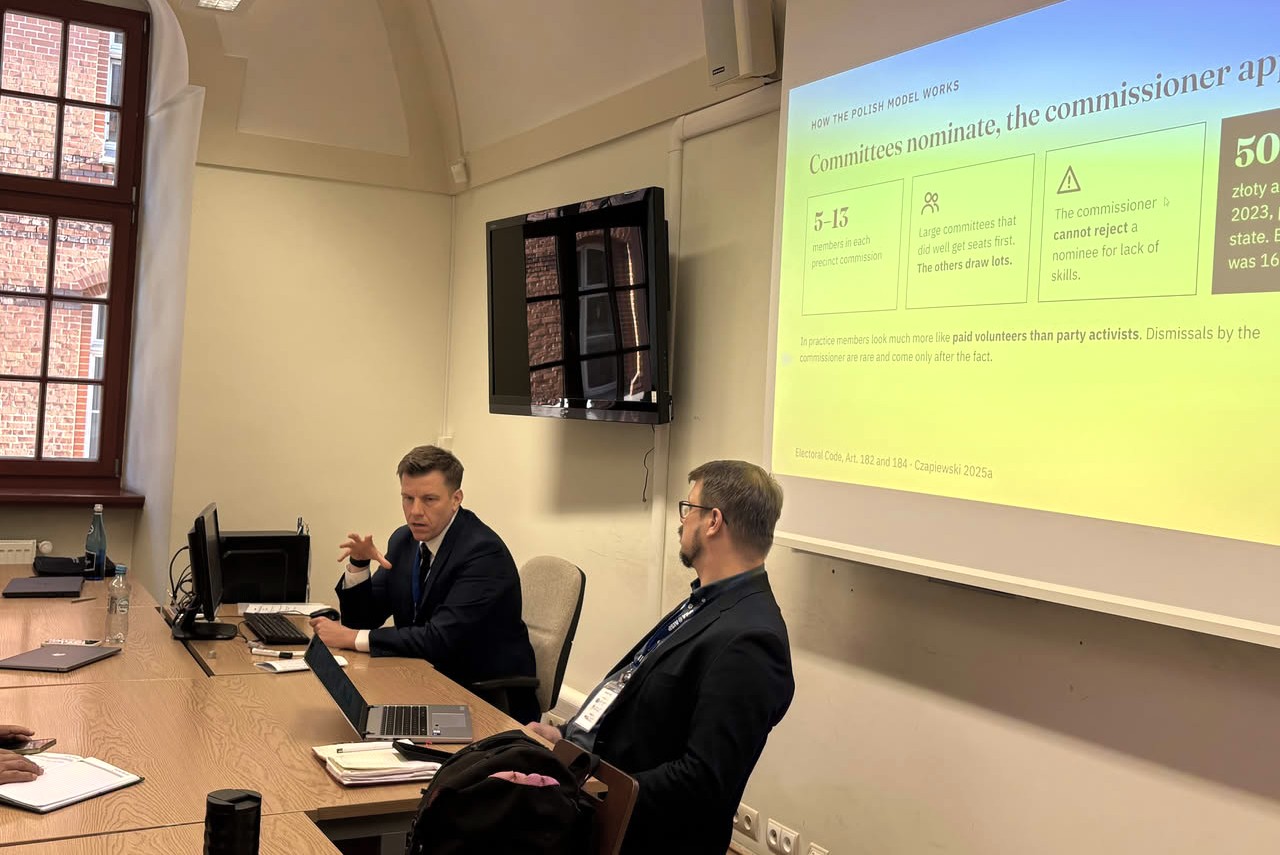
Chaired by Przemyslaw Biskup (SGH Warsaw School of Economics), this panel featured IPSA President Yuko Kasuya, who also served as Conference Program Co-Chair. Prof. Kasuya presented her co-authored paper, Distrusting the Out-Party: Partisan Disbelief and Biased Information Processing.
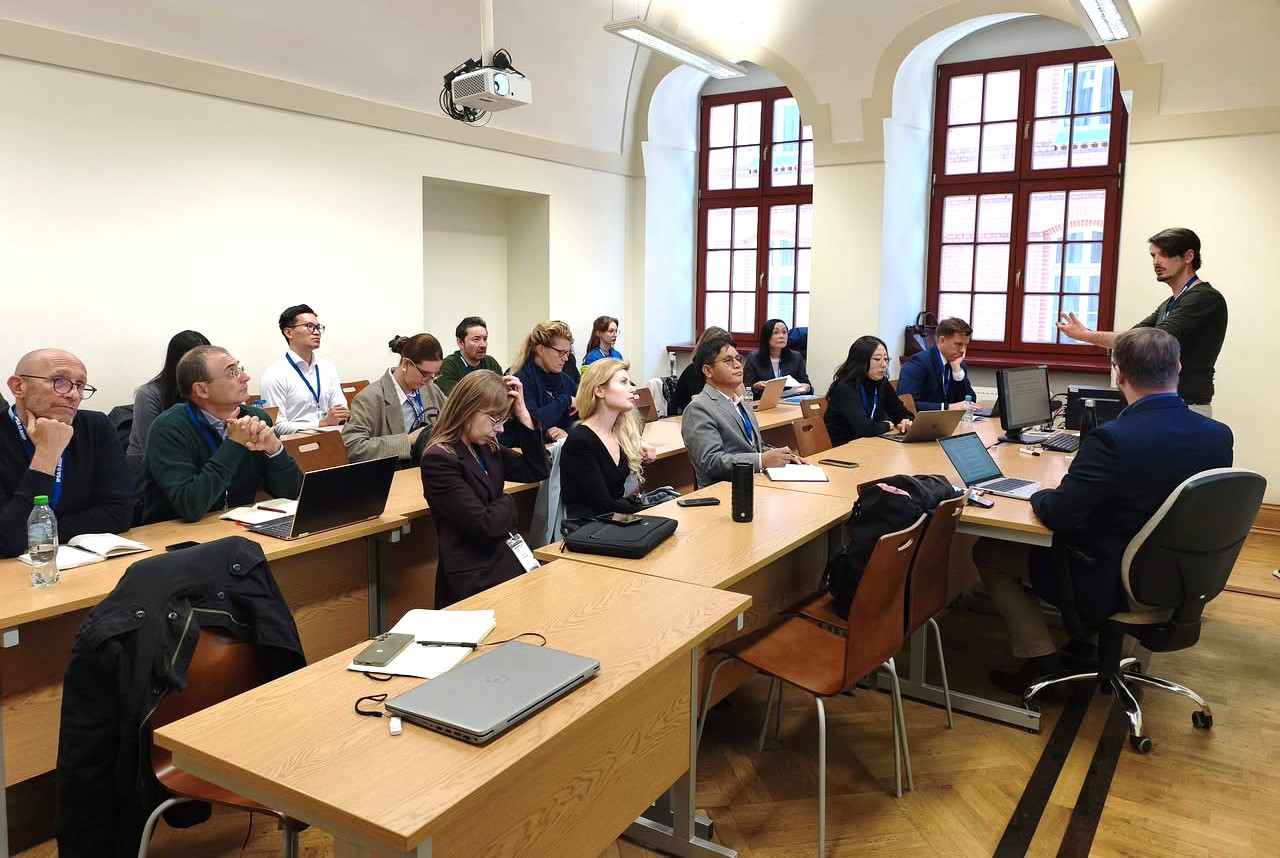
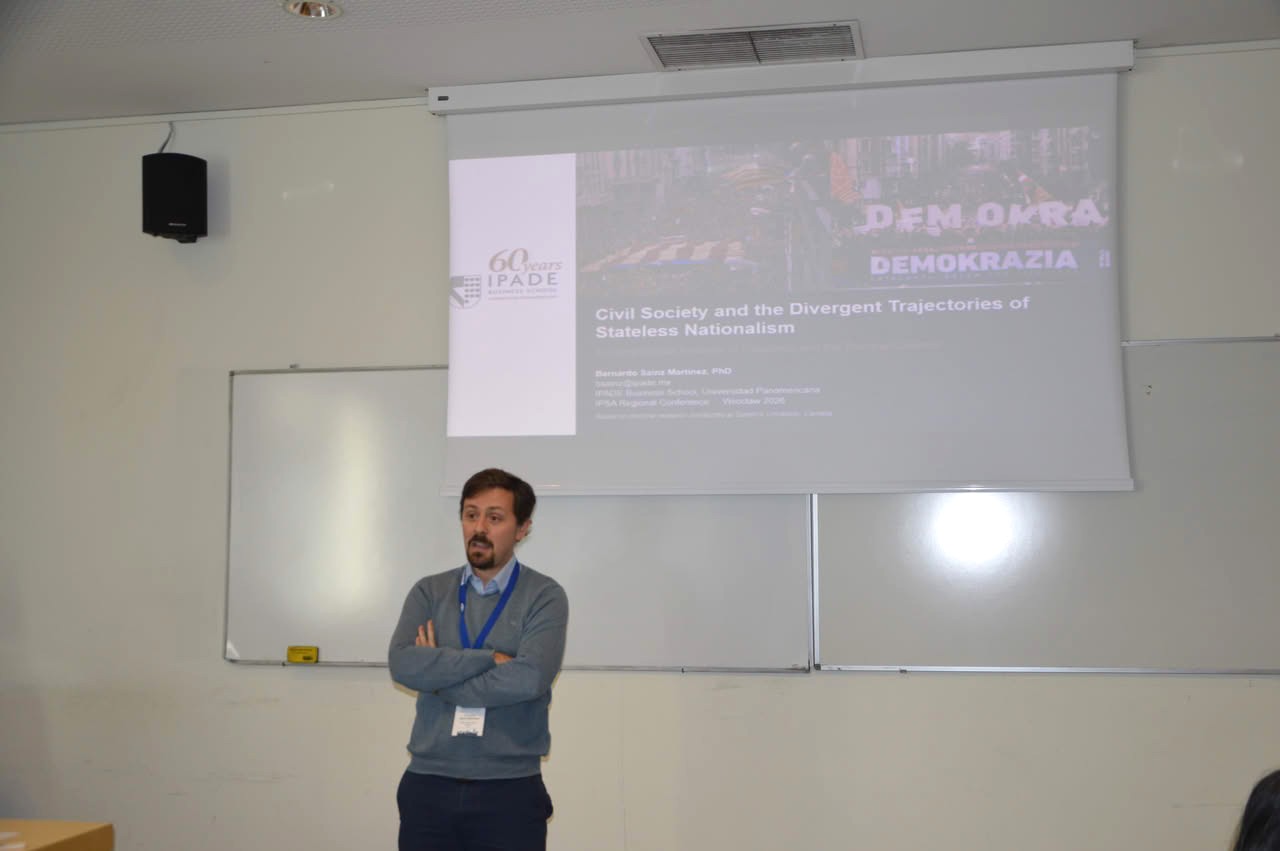
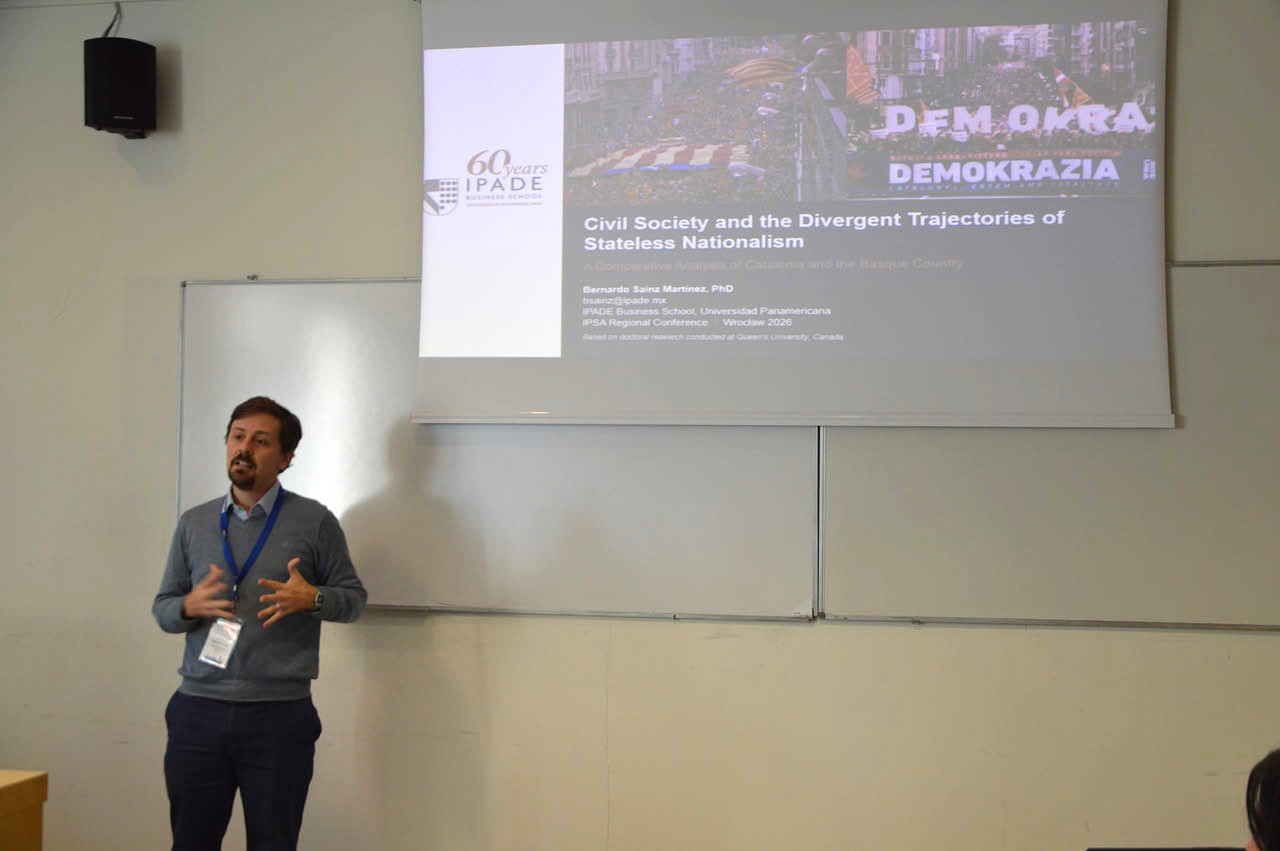
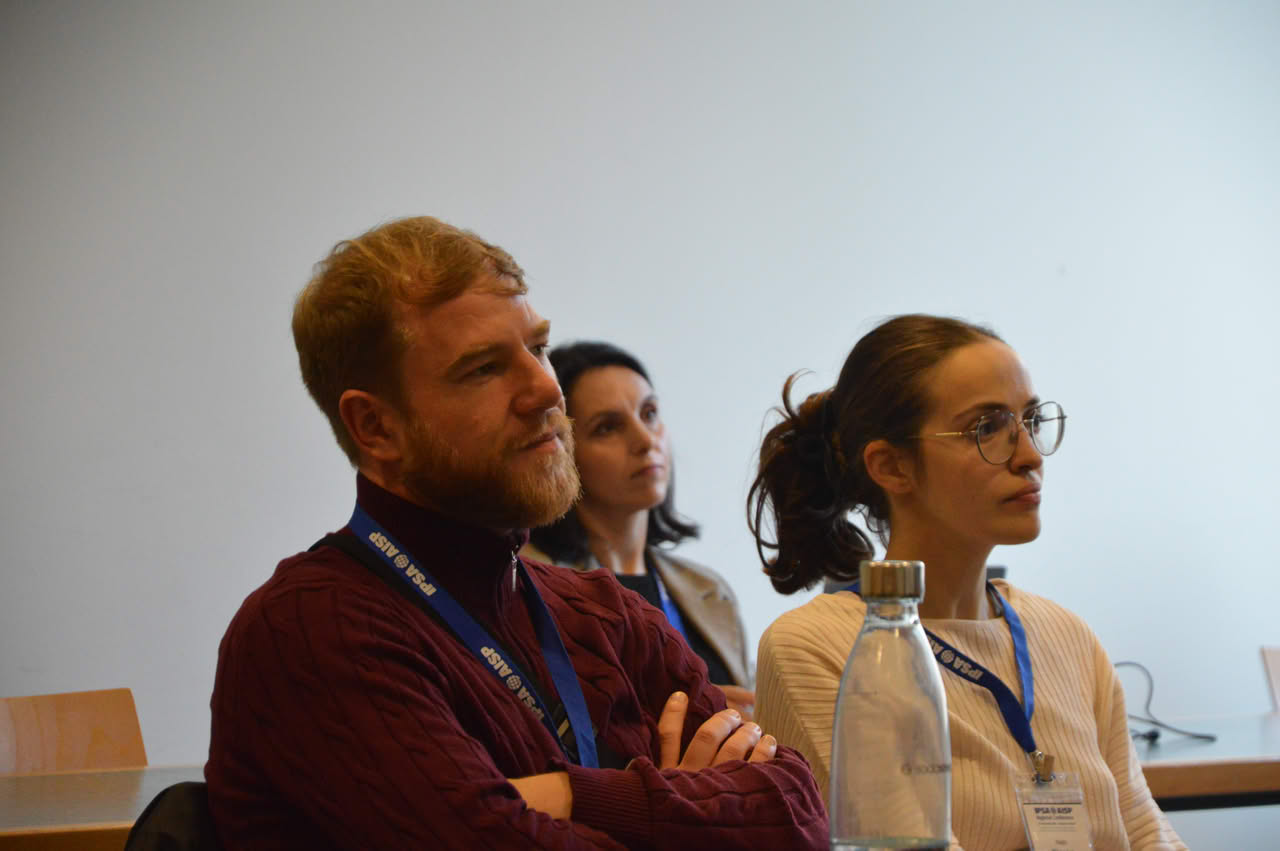
Civil Society and Grassroots Politics
IPSA EC member Laurence Piper chaired the Civil Society and Grassroots Politics panel.
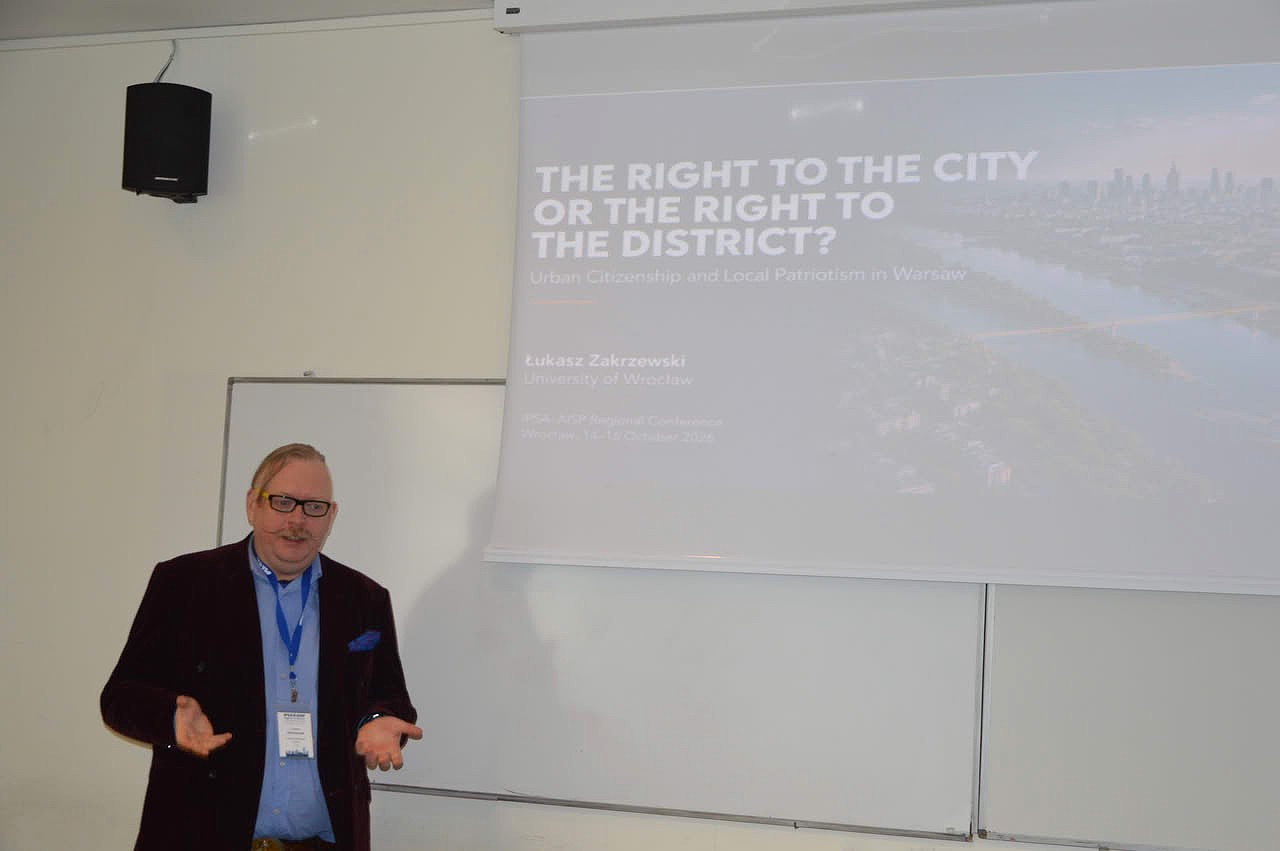
Governance and Humanitarian Crises
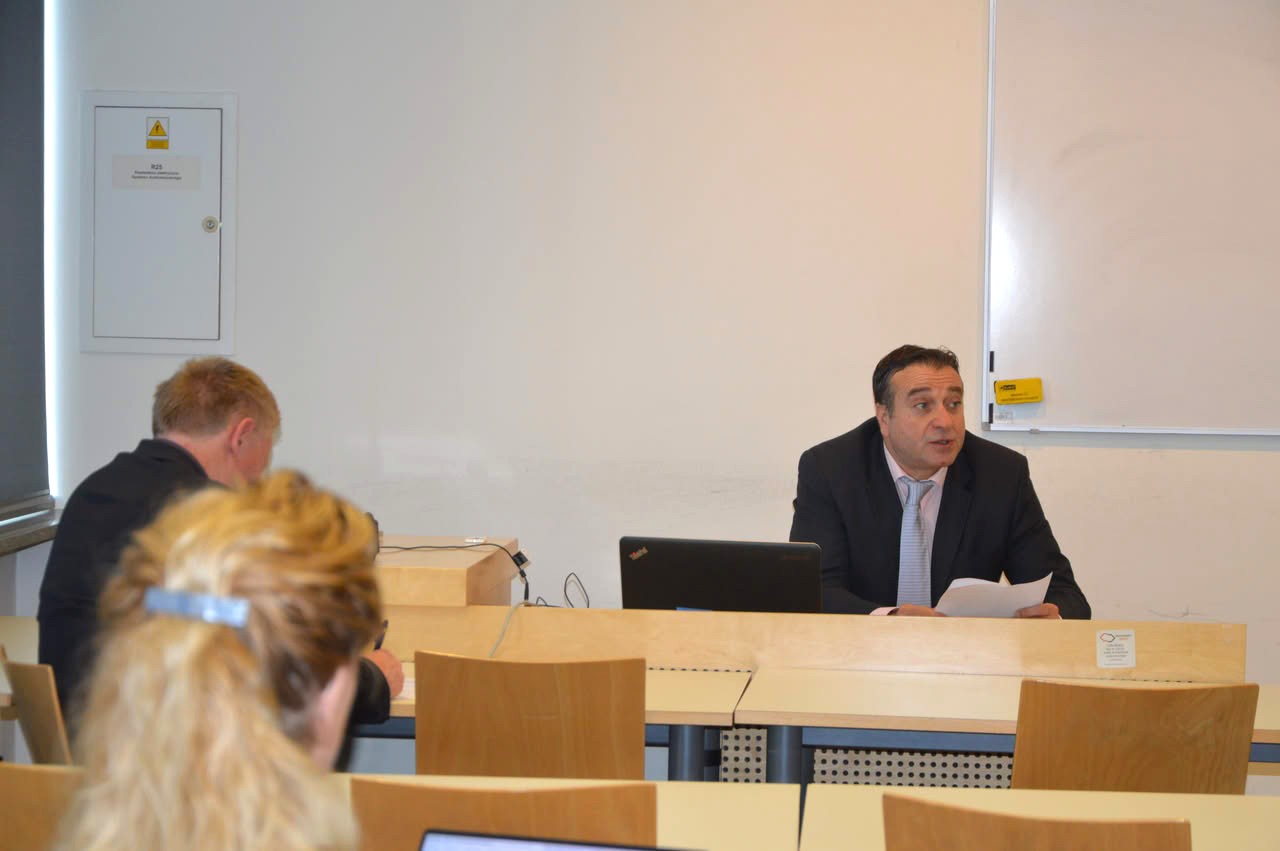
Chaired by IPSA Executive Committee member Laurence Piper, the Governance and Humanitarian Crises panel featured RC-EC Liaison Carmelo Cattafi, who presented his paper, Human Rights Beyond the Classical Paradigm: Civil Society and the Use of Artificial Intelligence in Conflicts.
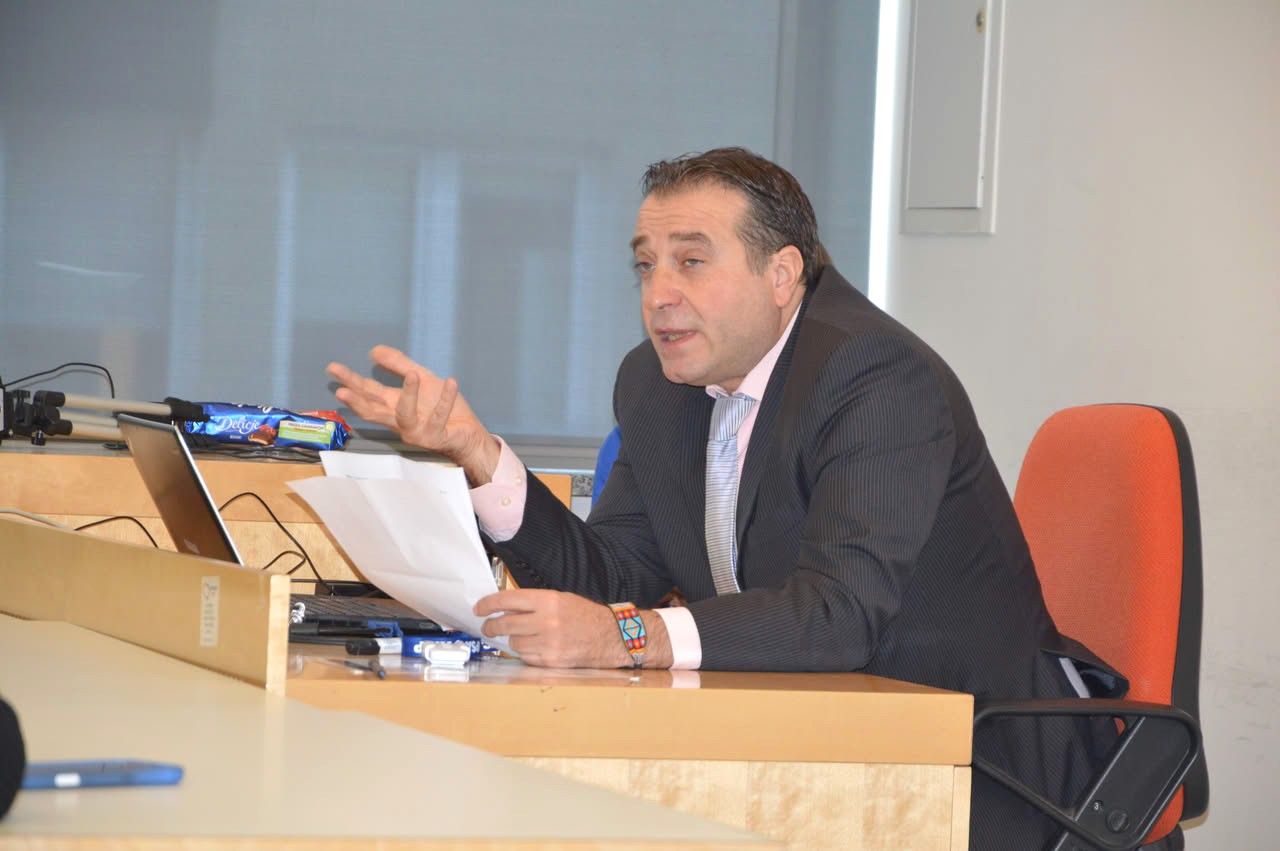
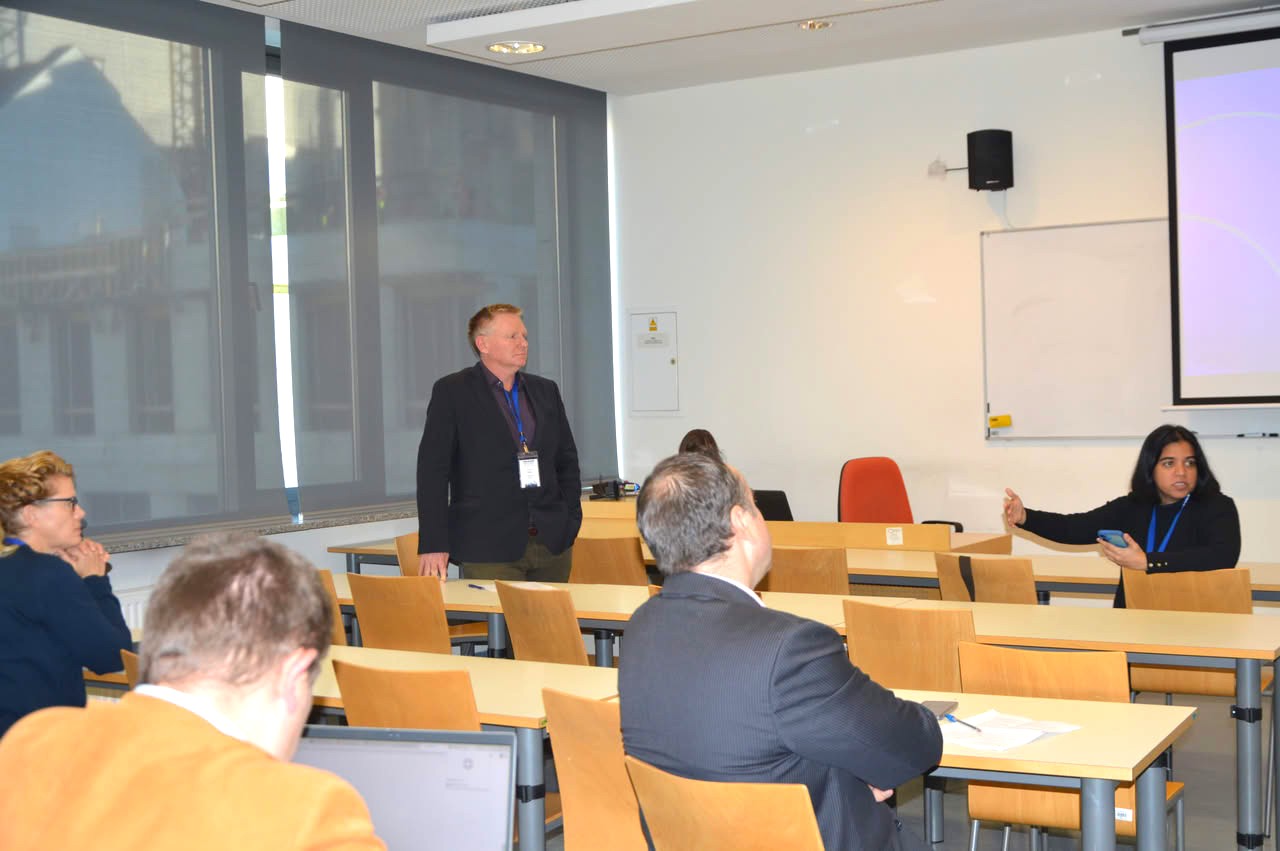
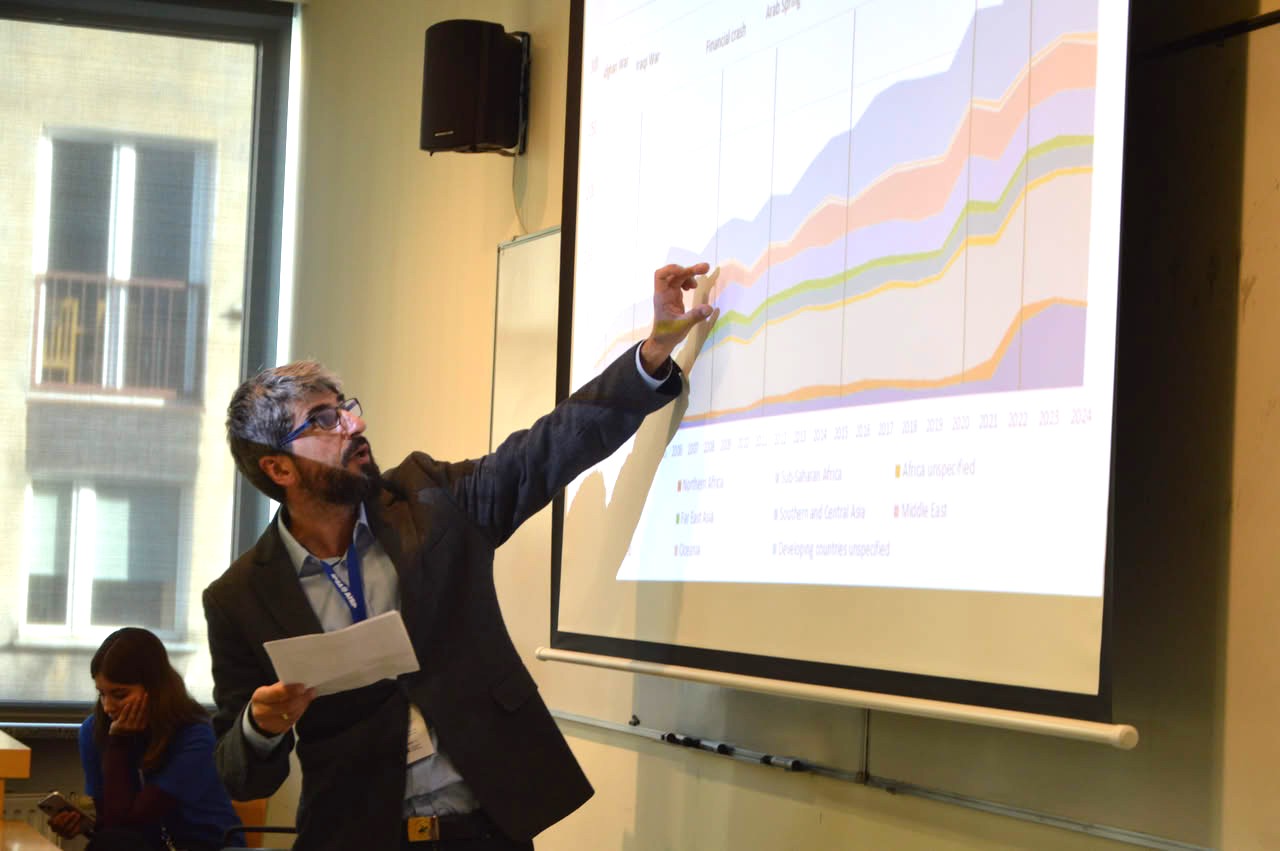
Competition Under Strain: Measuring, Manipulating, and Surviving Elections
Former IPSA Vice-President Madalena Meyer Resende chaired the Competition Under Strain: Measuring, Manipulating, and Surviving Elections panel.
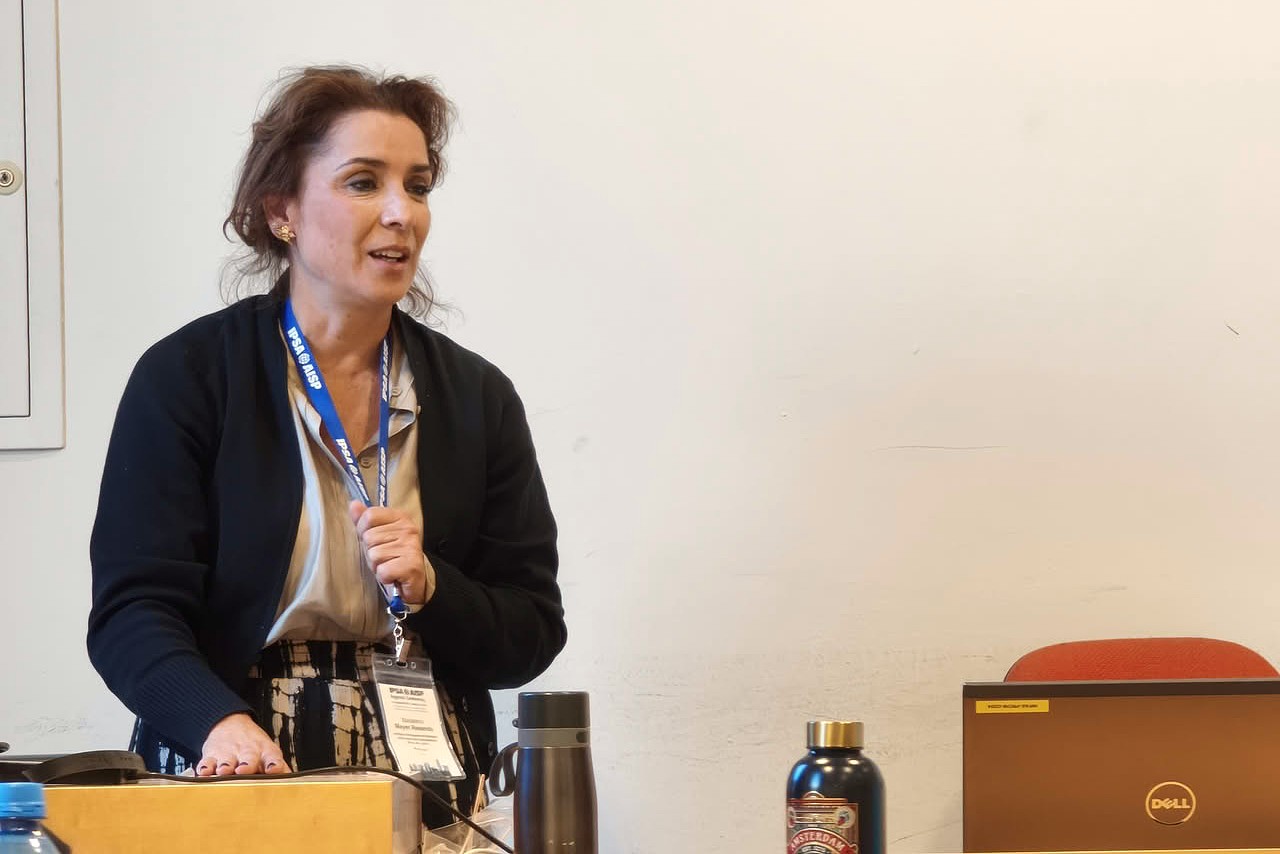
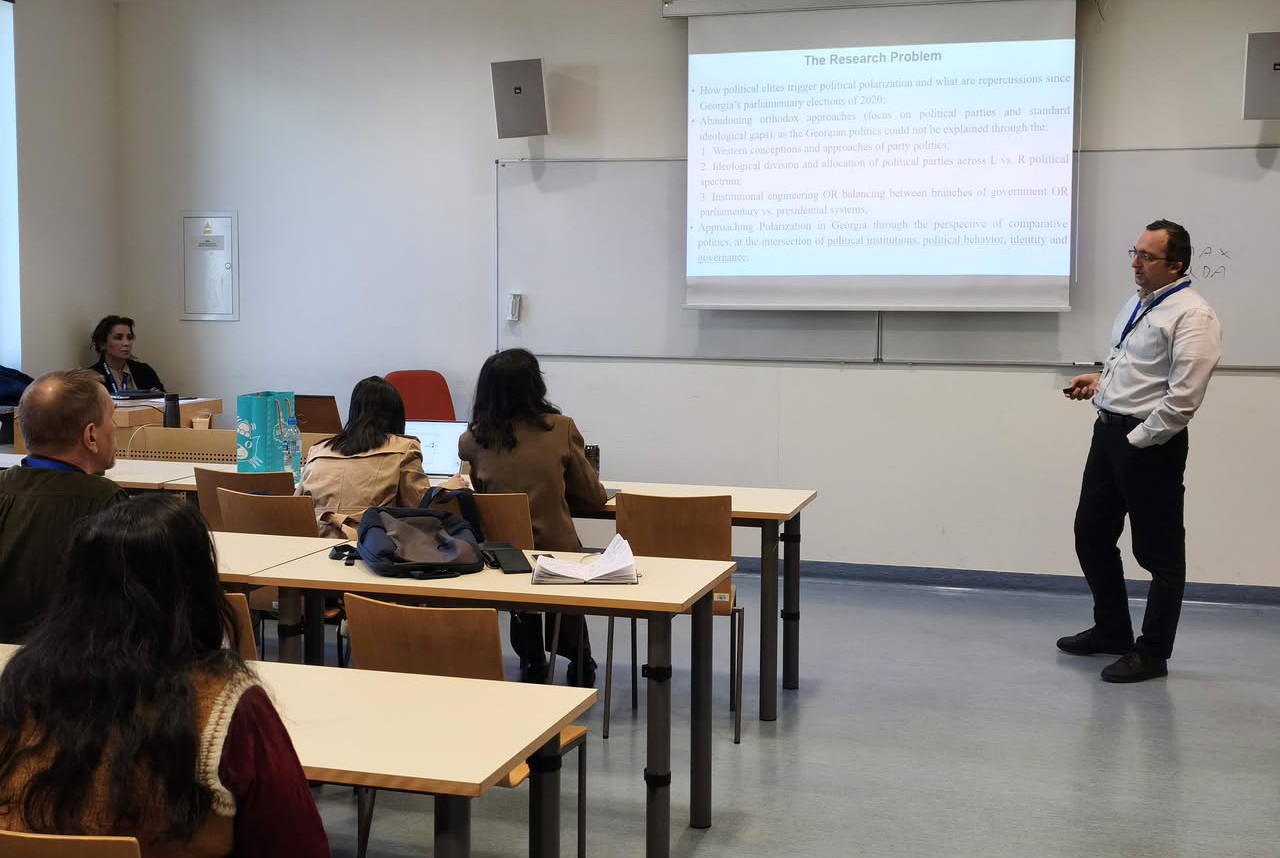
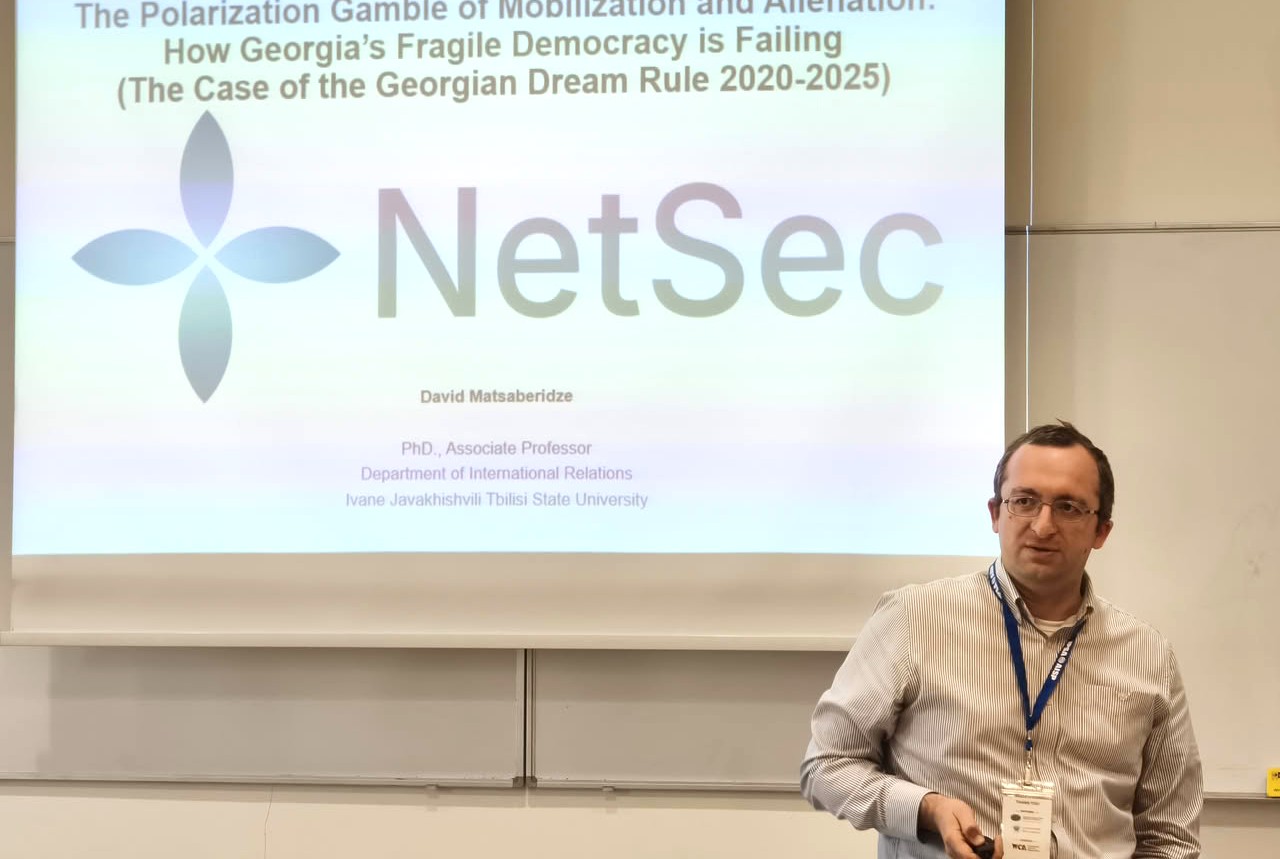
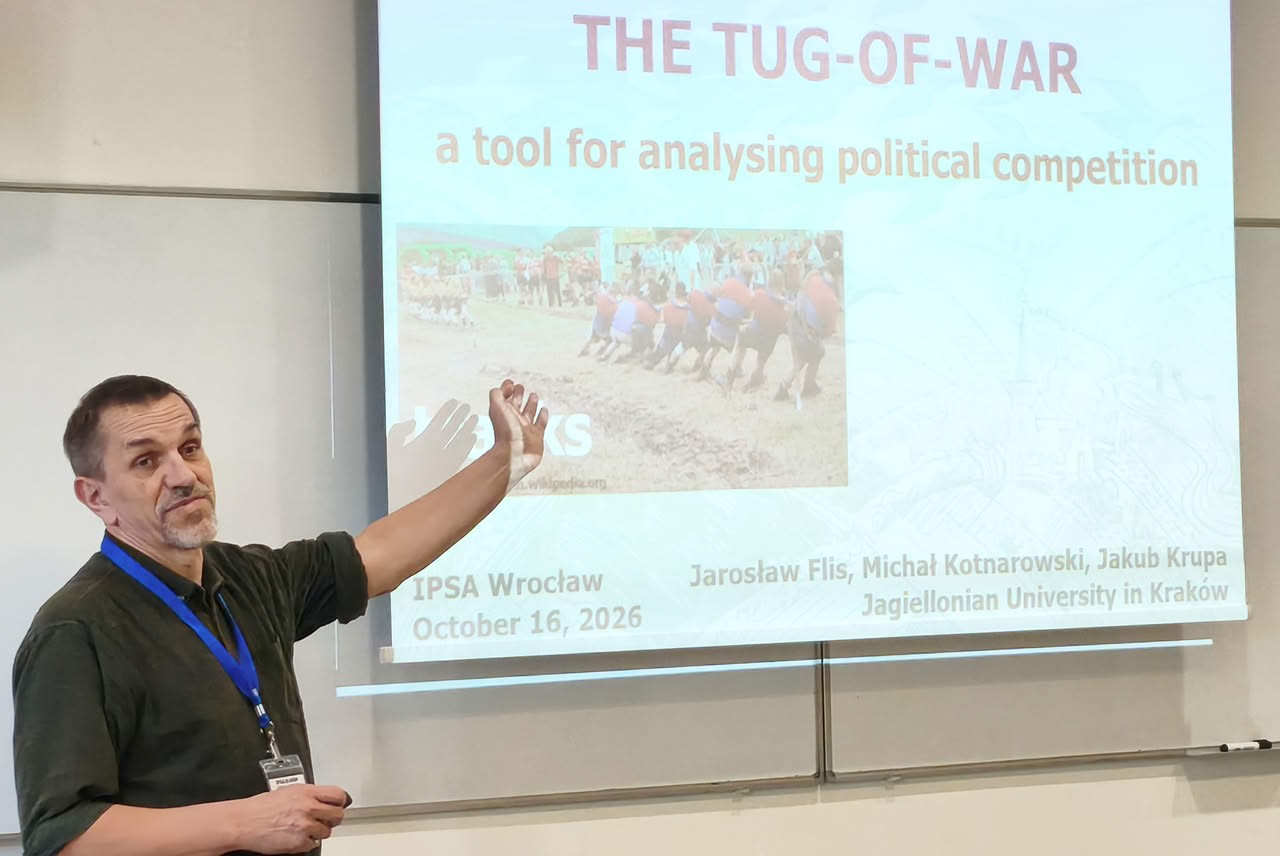
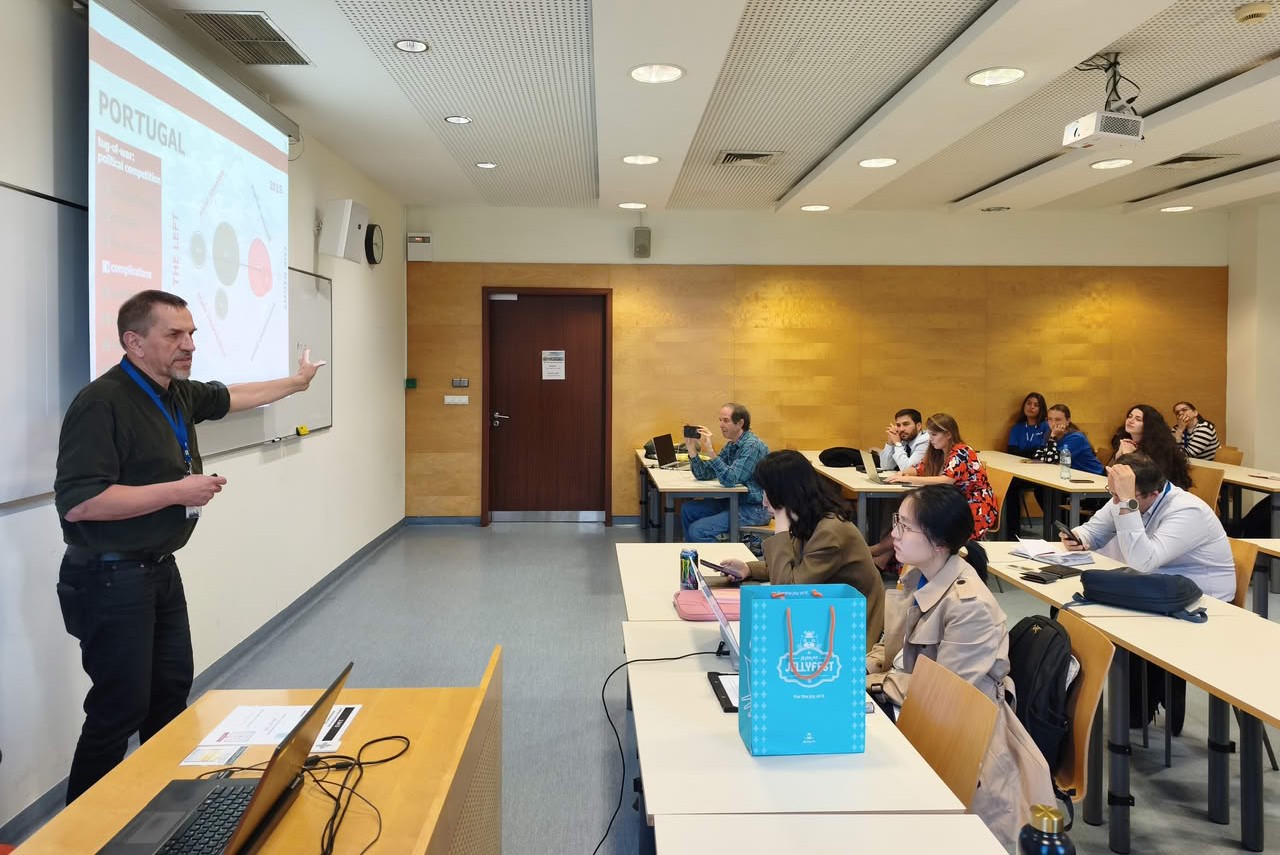
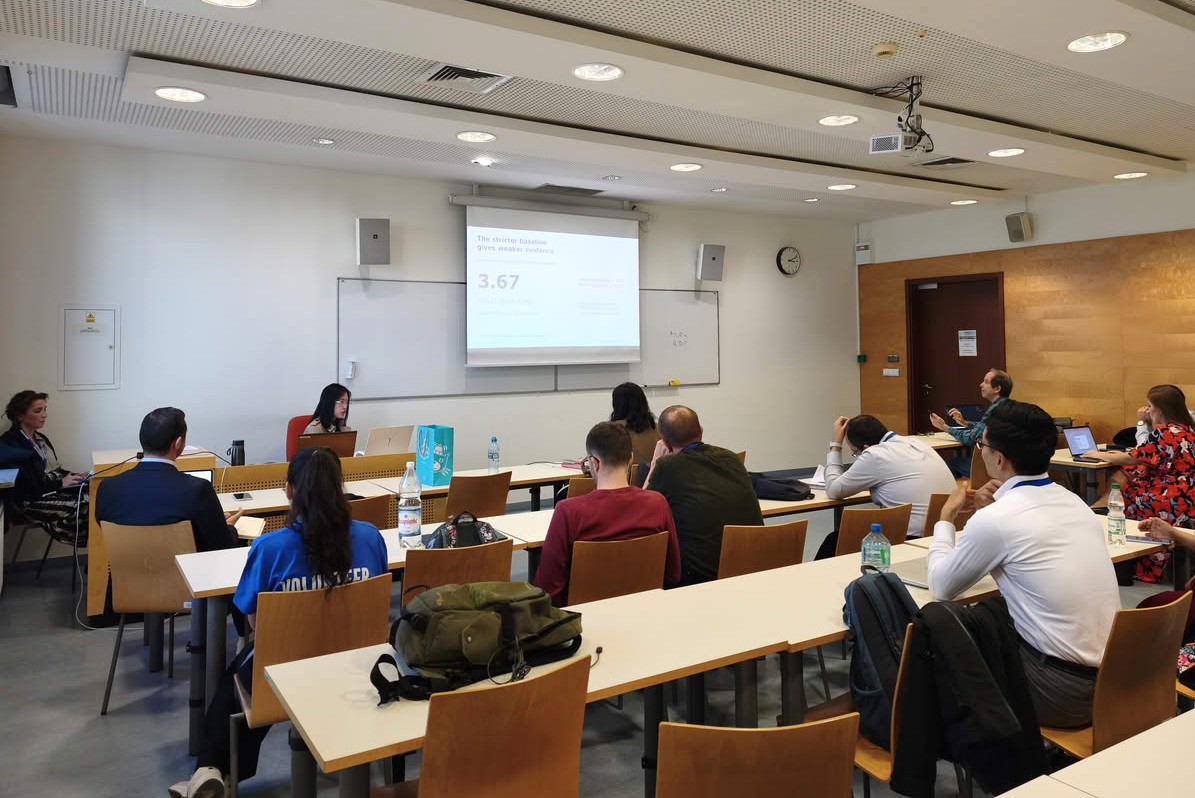
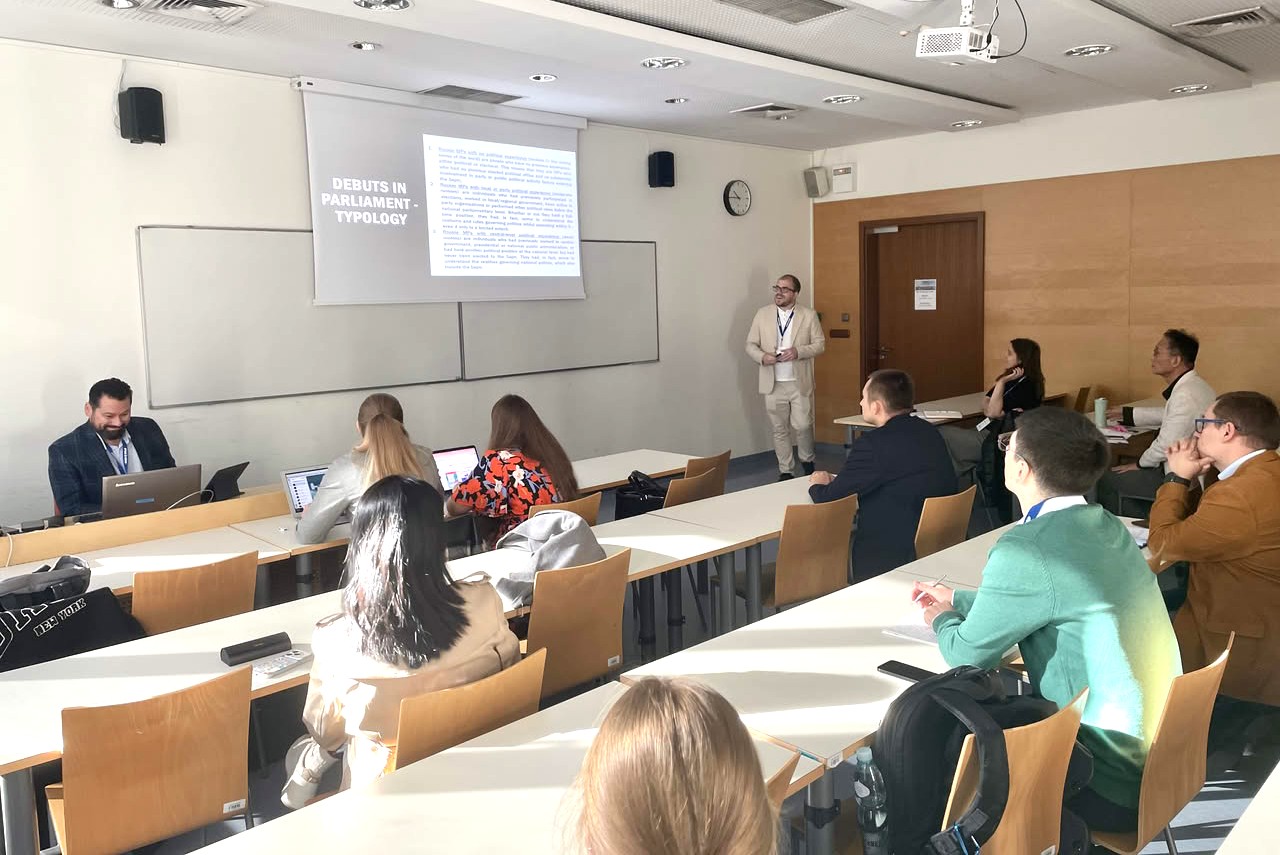
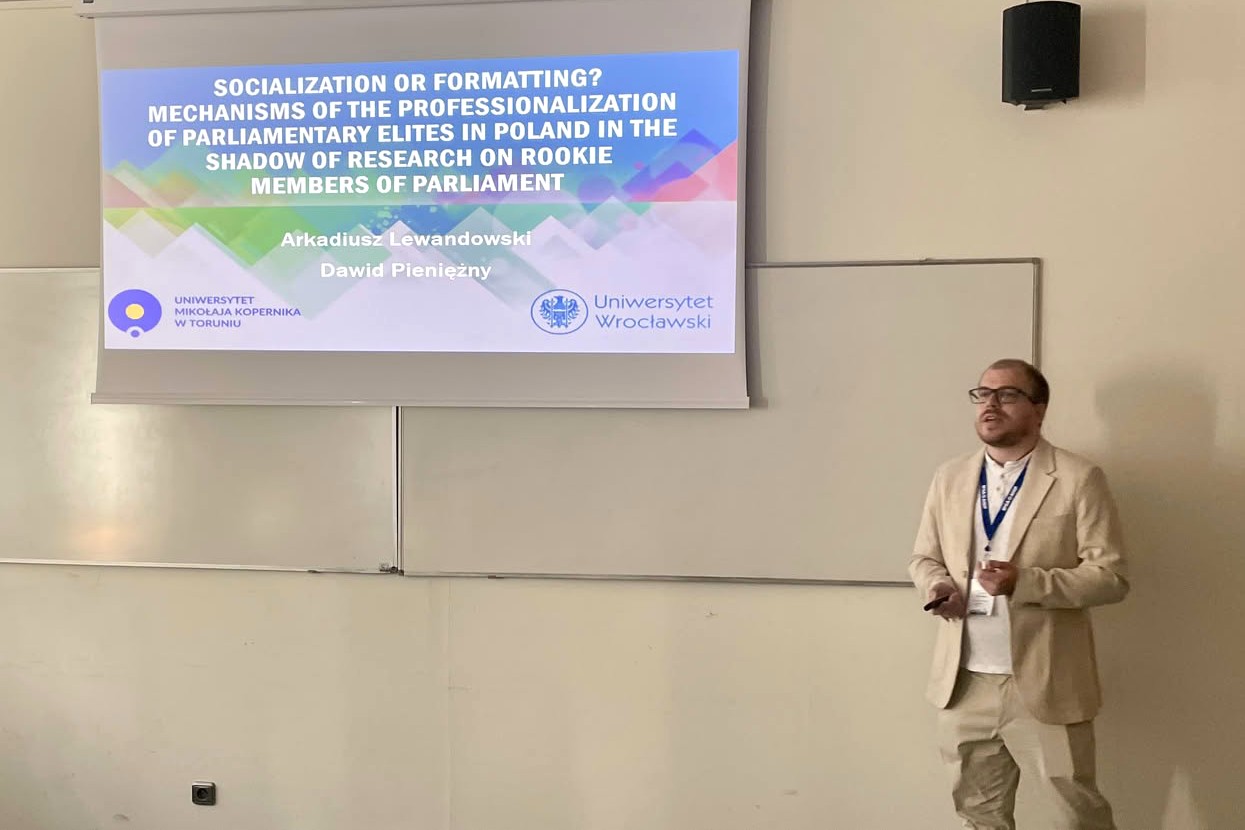
Working the System: How Parties Shape Parliaments, Careers, and Local Power
Prof. Meyer Resende also served as a discussant for the panel Working the System: How Parties Shape Parliaments, Careers, and Local Power.